
200W–1000W handheld or trolley series
Metal Rust Removal
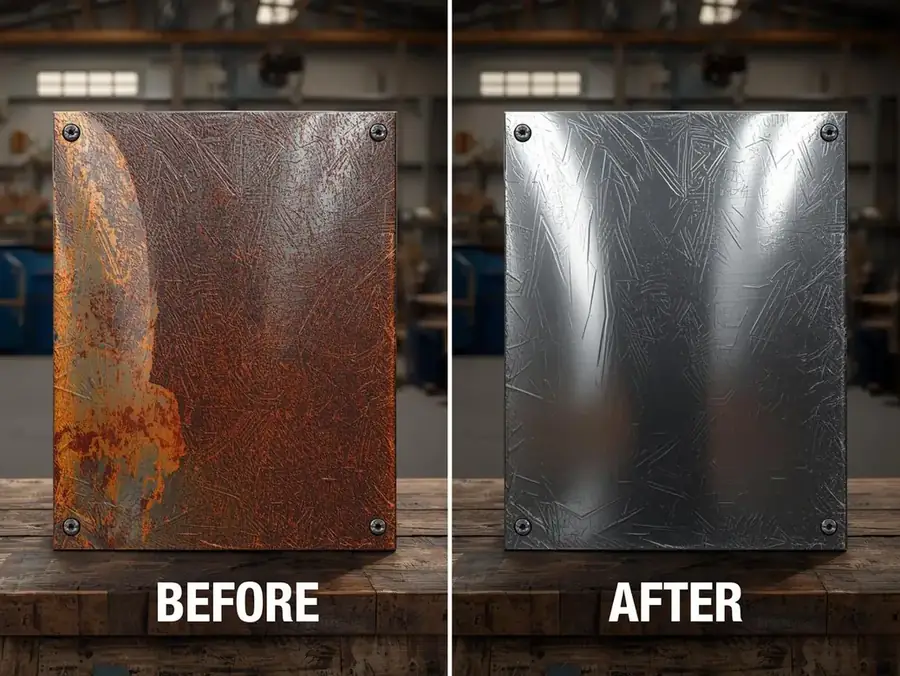
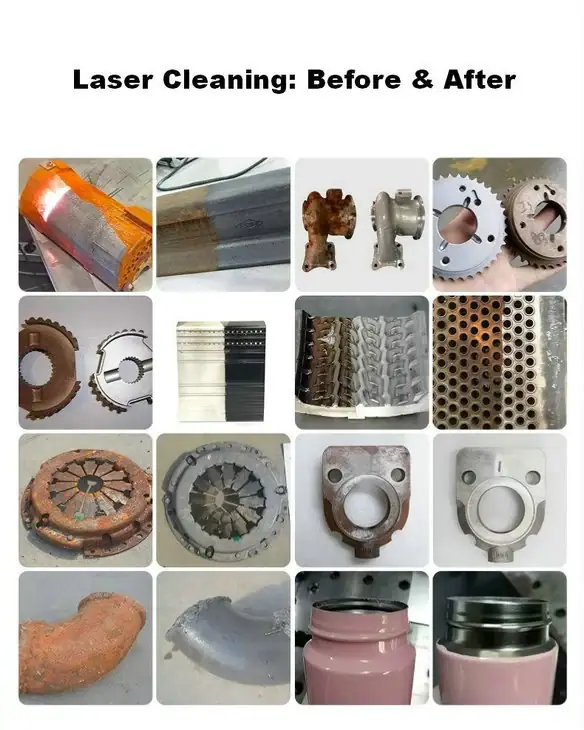
Heavy rust comes off without abrasive media, without dust clouds and without losing steel.
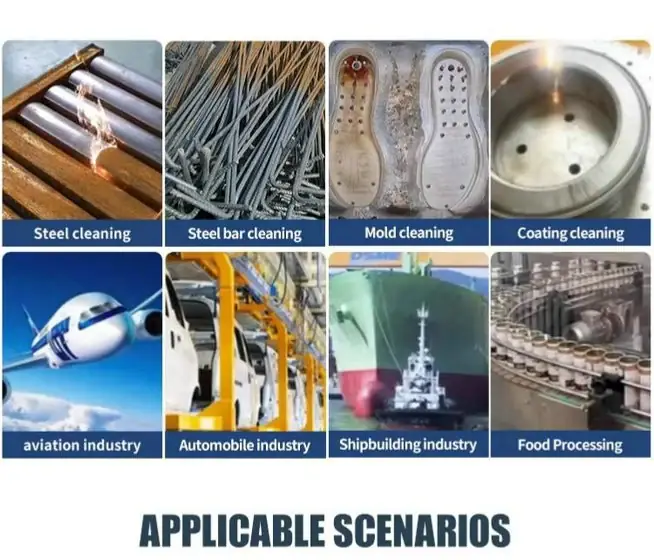
Eight applications, each with the traditional method it replaces, the drawbacks of that method, and the power level we recommend.
Heavy rust comes off without abrasive media, without dust clouds and without losing steel.
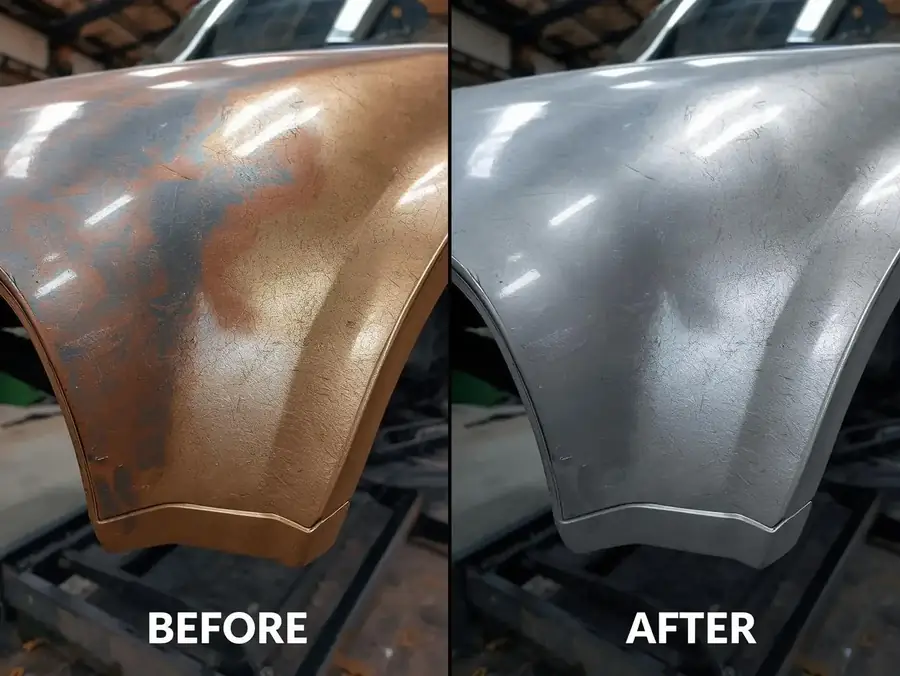
Paint, powder coat and plating lift off selectively — the coating goes, the base material stays.
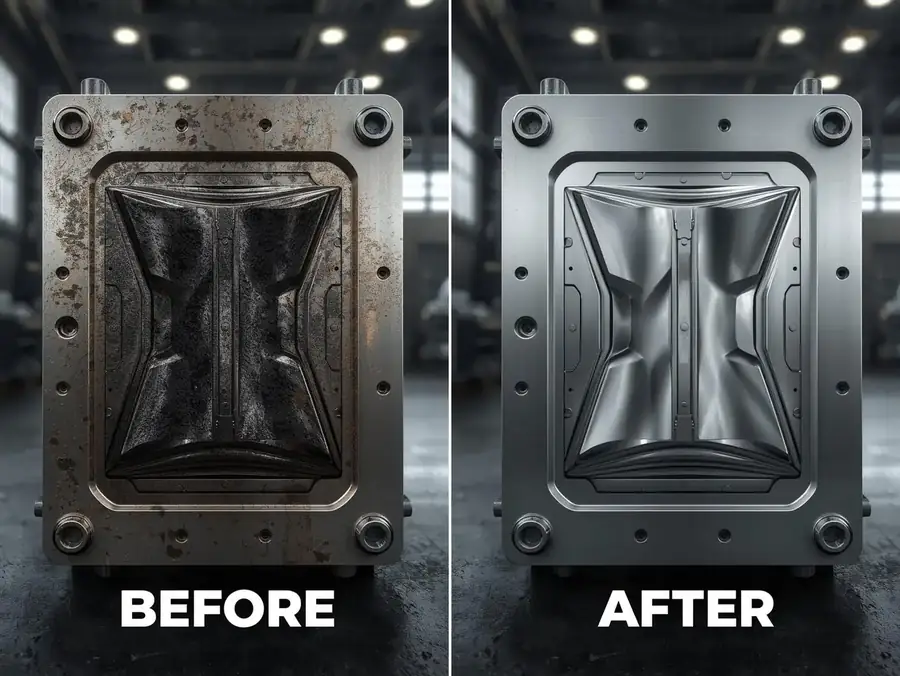
Residue, oil and oxidation come out of the cavity without taking the mould off the press.
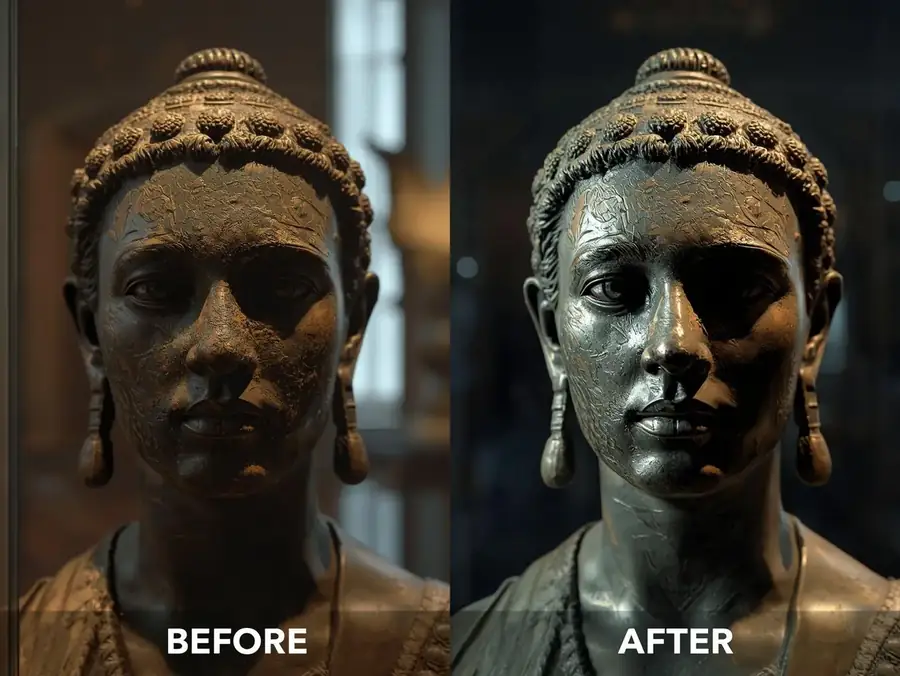
Selective, reversible in approach and non-contact — the dirt leaves, the patina stays.
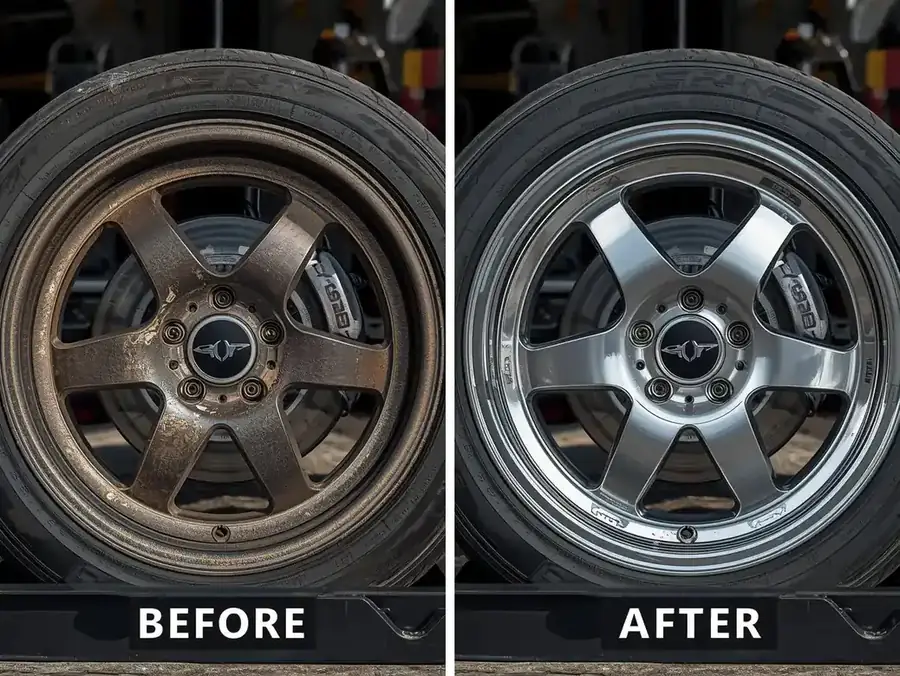
Brake dust, corrosion and old coating off an alloy rim in minutes, with nothing touching the surface.
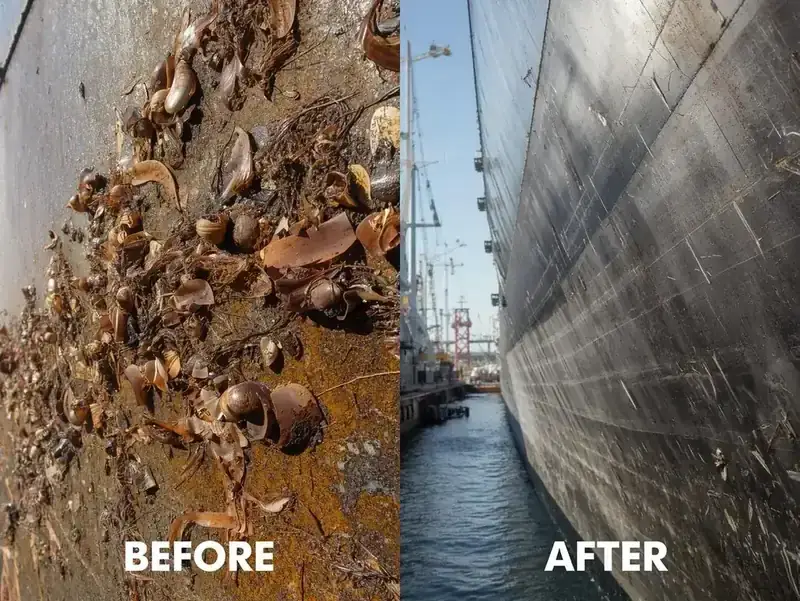
Hull rust and fouling removed with no blasting media, no containment tent and no runoff to capture.
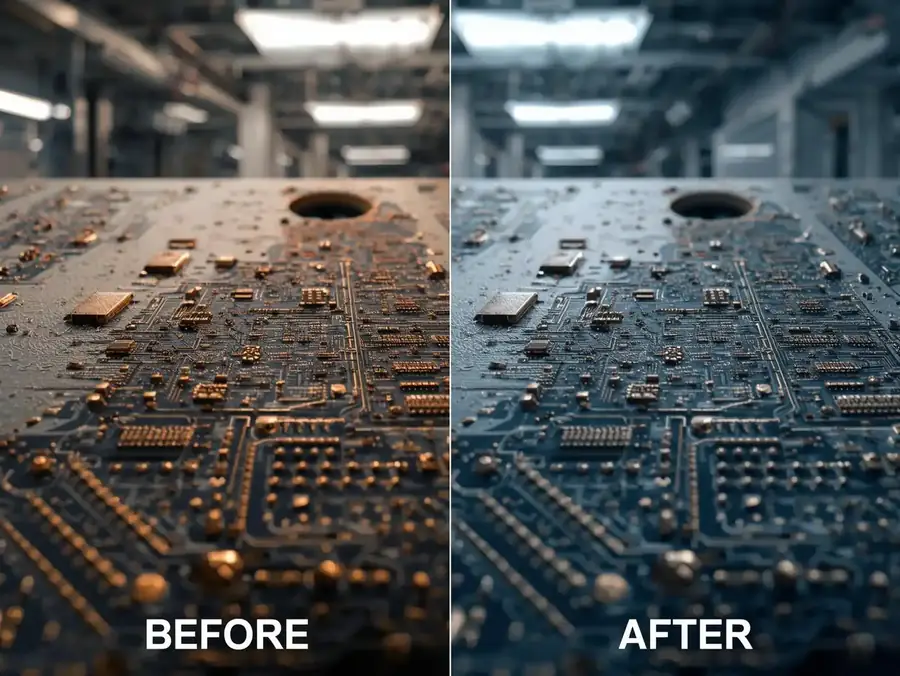
Oxide, flux and adhesive removed dry — no solvent bath, no ultrasonic stress on delicate parts.
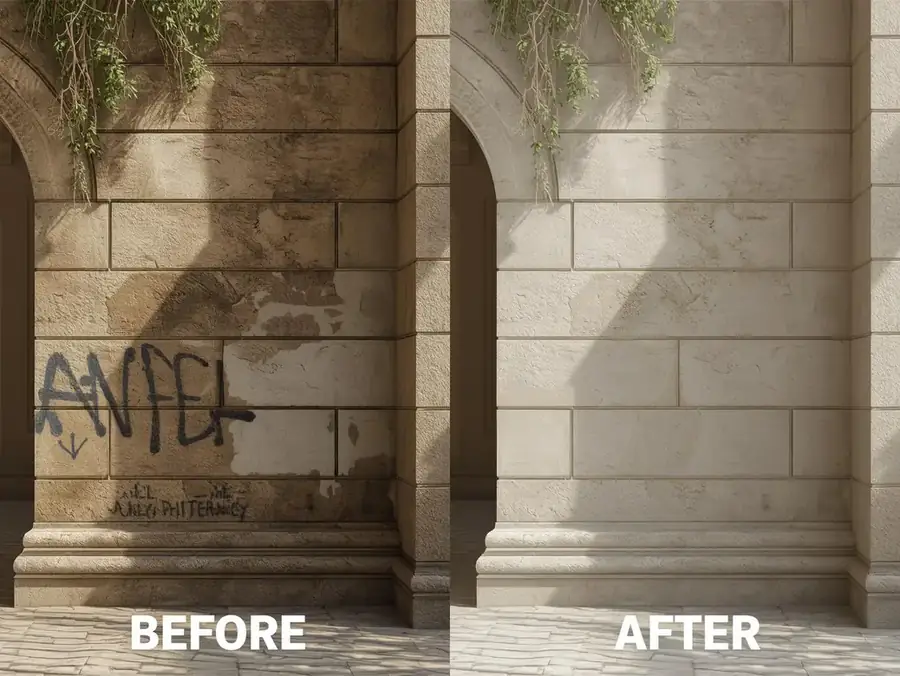
Graffiti and weathering come off stone without water, chemicals or loss of surface detail.
The same physics, framed by the constraints each sector actually works under.
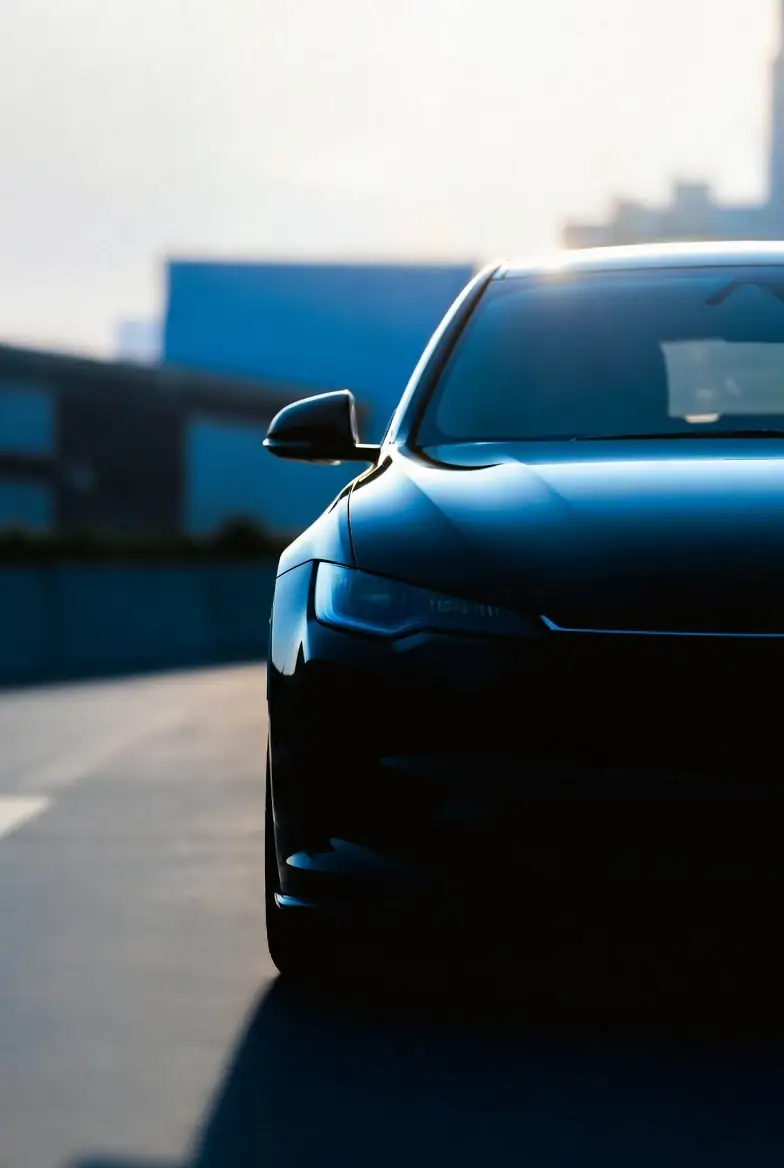
Parts arrive rusted, coated or oiled and have to leave weldable, paintable and dimensionally unchanged.

Square metres of hull, a containment problem and an environmental regulator watching.
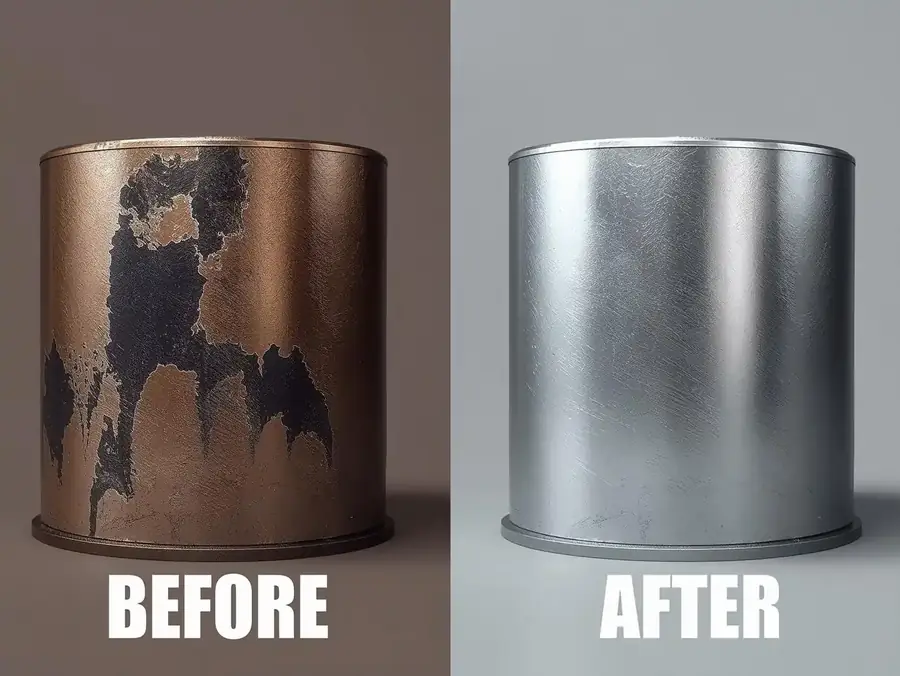
Coatings have to come off aluminium parts that will be inspected, measured and re-certified afterwards.
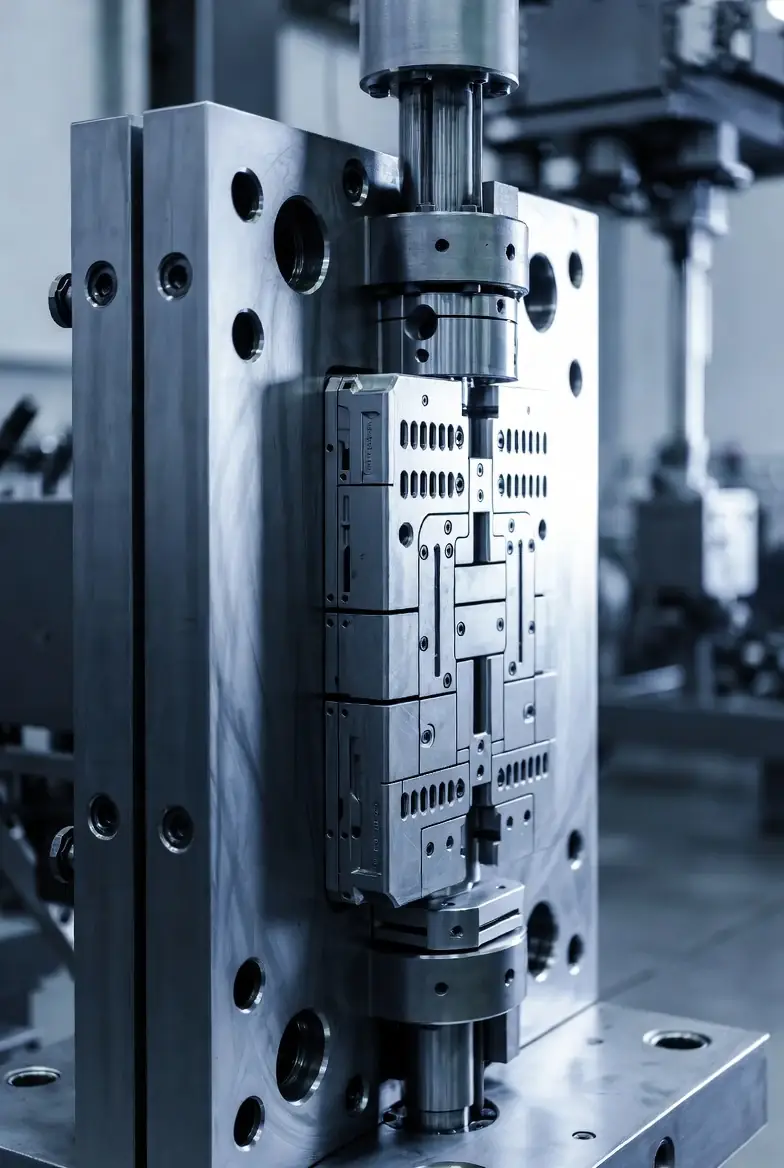
Every hour a tool spends being cleaned is an hour the press is not running.
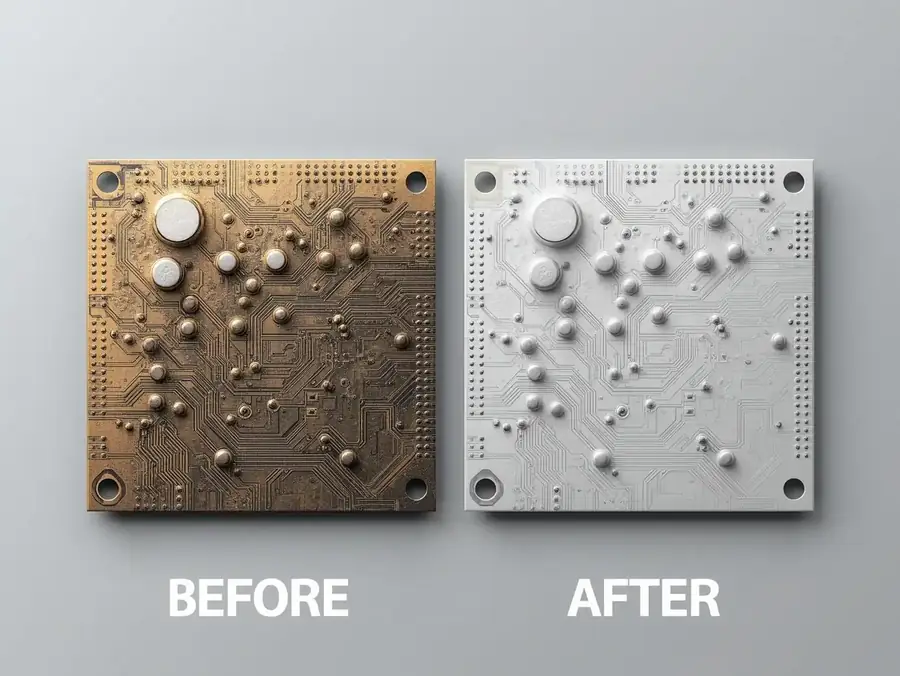
Cleaning a populated board means working millimetres from components that will not survive a solvent bath.
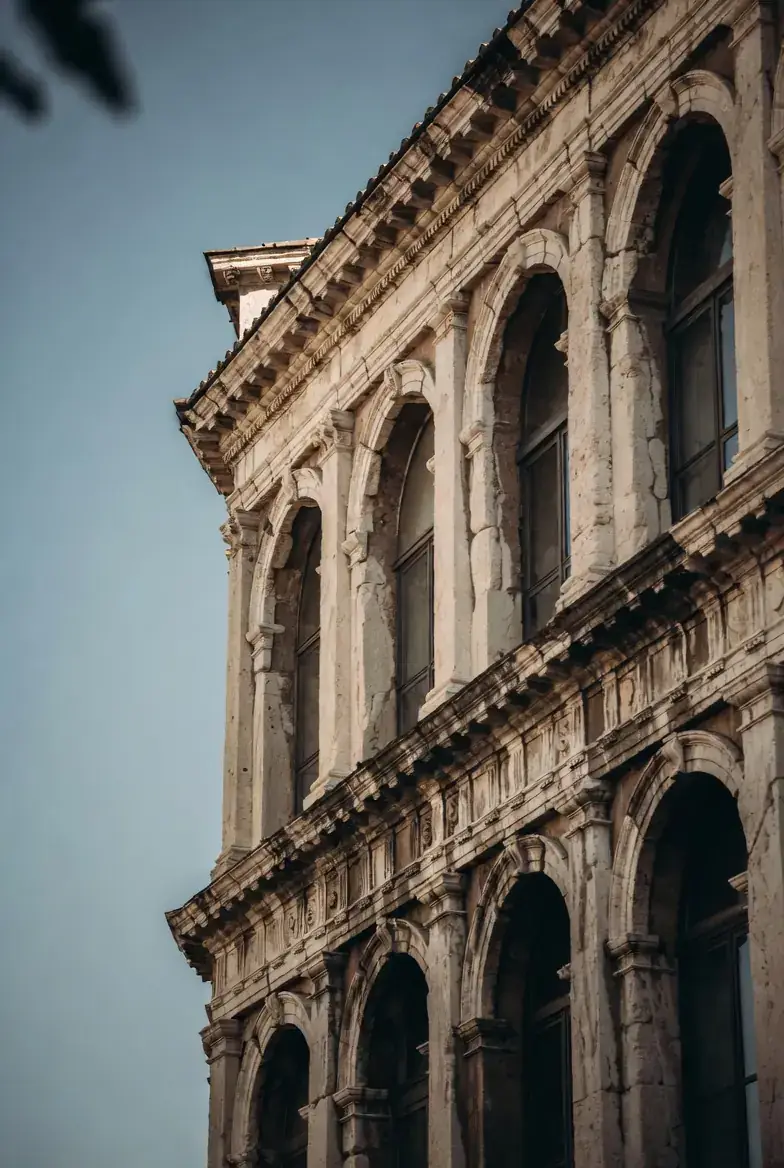
The object is irreplaceable and the cleaning has to stop exactly where the original surface begins.
The structure cannot move, the weather does not wait, and the containment cost is the whole budget.
We have fourteen years of parameter data across steel, stainless, aluminium, brass, titanium, copper, tool steel, bronze and stone. Describe the surface and we will tell you whether it is a job for a laser.