Absorption is selective
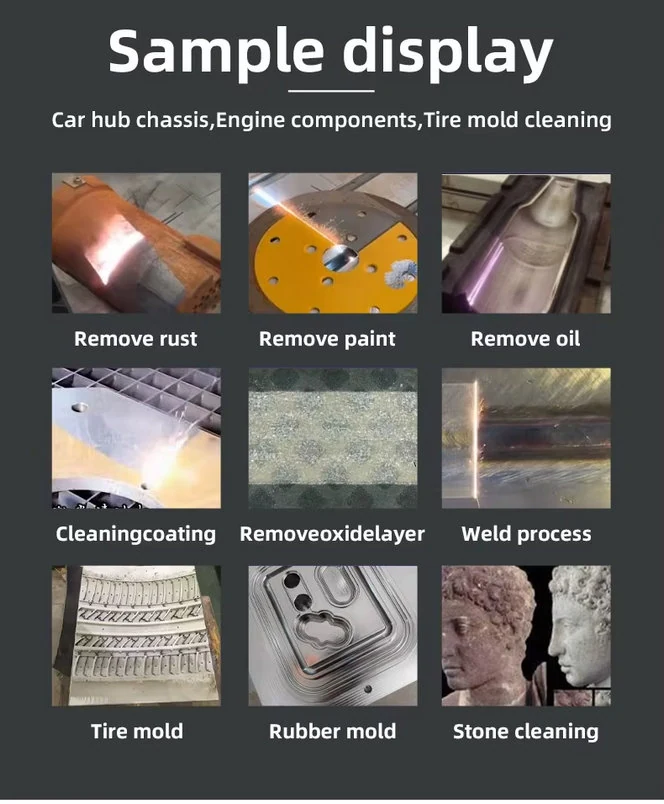
Rust, mill scale, paint and oxide absorb 1064 nm fibre laser energy readily. Clean metal reflects far more of it. So as the contaminant is removed, the surface stops absorbing efficiently and the process naturally slows at the interface — the layer comes off and the substrate is largely left alone.
What the pulse does
Energy arrives fast enough that the contaminant layer is vaporised or ejected before heat has time to conduct into the bulk material. Adjusting pulse width changes the energy delivered per shot; adjusting repeat frequency changes how often it arrives. Our machines expose both — pulse widths from 2–500 ns and frequencies up to 3000 kHz on some configurations — because that is how one machine covers a bronze patina and a coated steel flange.
Why the scan head matters
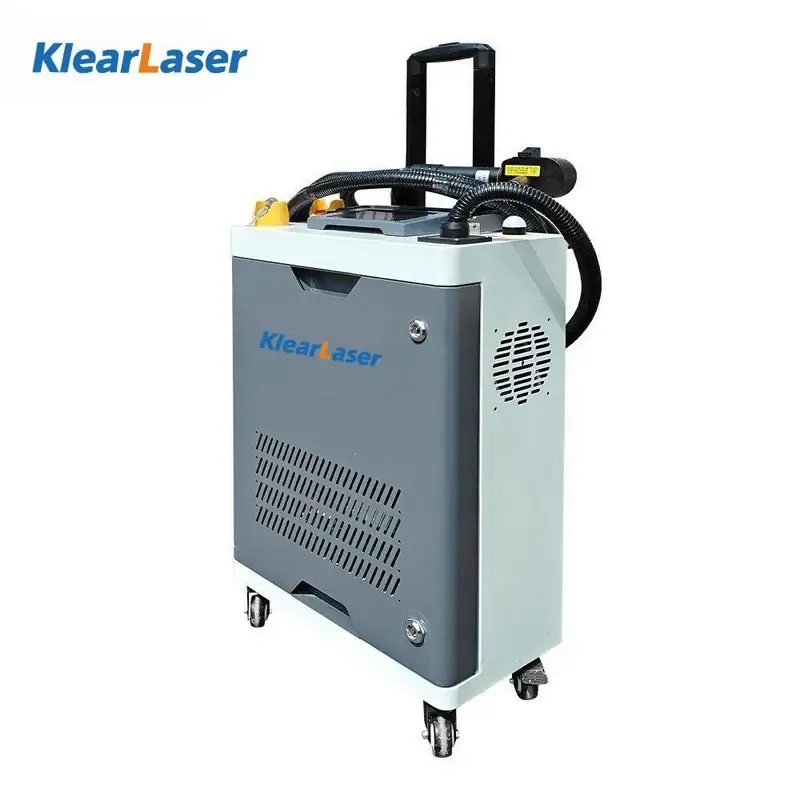
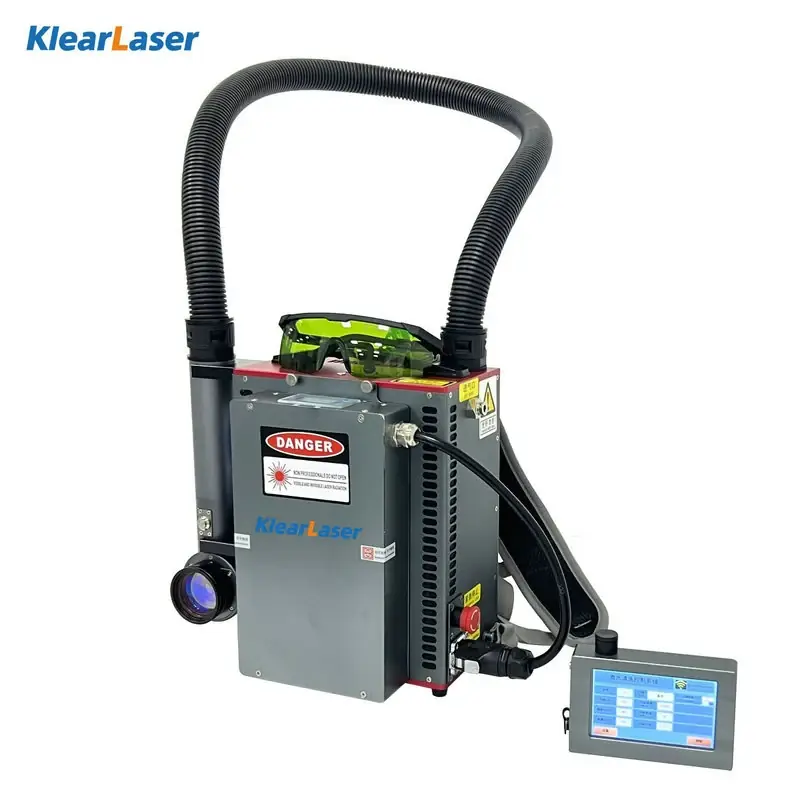
A fixed spot would drill. A galvanometer head sweeps the spot across a scan range — 0–145 mm continuously adjustable on our cabinet pulse machine, at up to 10 m/s — so energy is spread into an even line or pattern. Scan pattern, width and speed are as important to the result as raw wattage.
Setting parameters
There is no universal recipe. The right settings depend on the oxide thickness, the substrate, the finish you need and how fast you need it. We establish them on a sample of your material and supply them with the machine so the operator starts from a known-good baseline.
What it does not do
Laser cleaning does not fill pitting, reverse section loss or repair a corroded part. It removes what is on the surface. If the steel underneath is already gone, cleaning will show you that honestly — which is often the point.