Start with the layer, not the machine
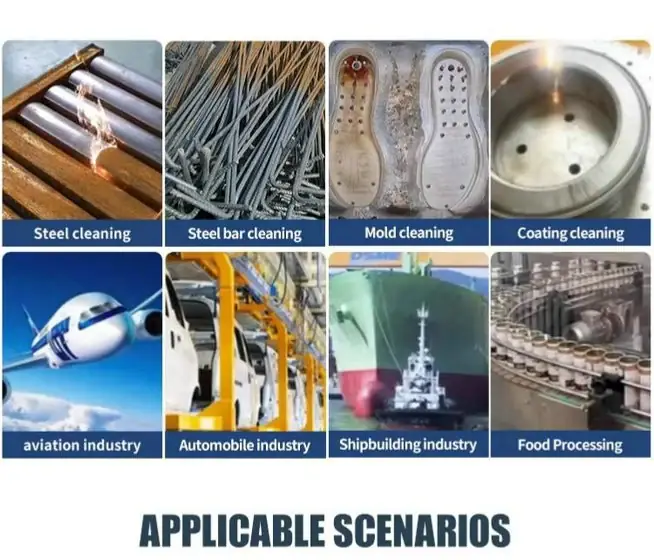
Light rust and thin coatings are typically a 100W–300W job. Heavy rust, thick paint or large areas usually need 500W–1000W or more. That single sentence resolves most enquiries — what it cannot tell you is which end of the range your particular oxide sits at, which is what the sample test is for.
Then look at the area
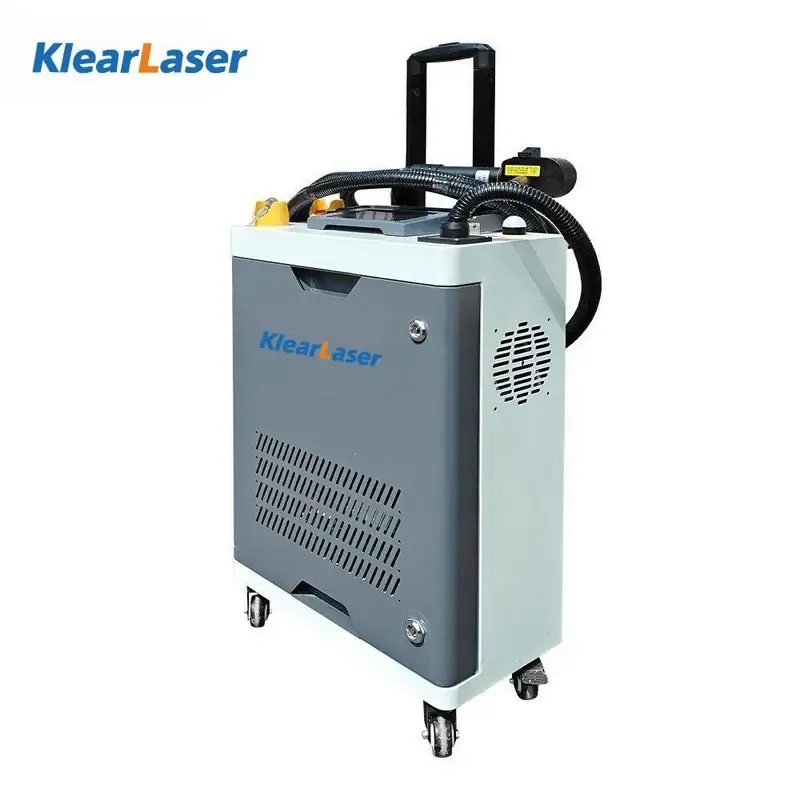
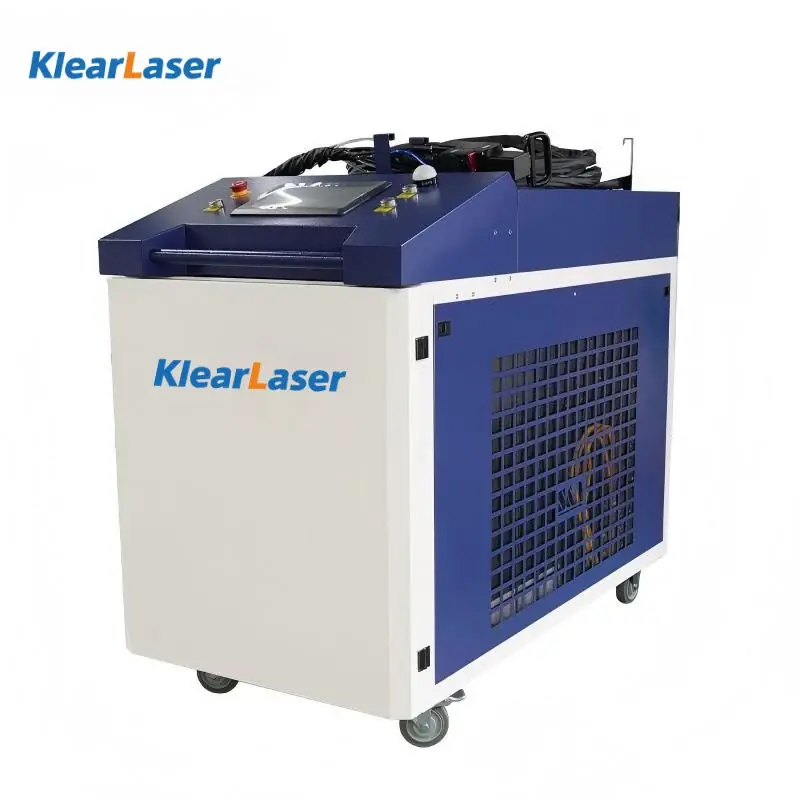
Power buys area rate. Our trolley series publishes 15–30 m²/h with a 200–500 mm cleaning width; a high-power cabinet CW machine exists because a hull cannot be cleaned at that rate. If you know the square metres per shift you need, that number sets the minimum power more reliably than the contaminant does.
Then look at access
This is where buyers over-specify. A 1500W cabinet is useless three storeys up a tower; a 100W backpack is the right machine there even though it is slower. The format question — backpack, suitcase, trolley, cabinet — is often more decisive than the wattage, and each of our four series exists for a different access problem.
Why more watts is not always better
Higher power means more heat in the part, a heavier machine, a bigger electrical supply — a 6000W CW cabinet needs three-phase 380V and up to 25 kW — and a higher price. If the extra capacity is not turning into cleaned square metres, it is turning into an installation problem.
What to send us
Material, contaminant and rough thickness, the area per part, how many parts per shift, and where the cleaning happens. With those five facts we can specify a machine properly, and we will tell you when a lower-power model is the right answer.