
Mold Components
Precision cavity plates core inserts and machined components cut ground and inspected in house
All 9 Mold Components
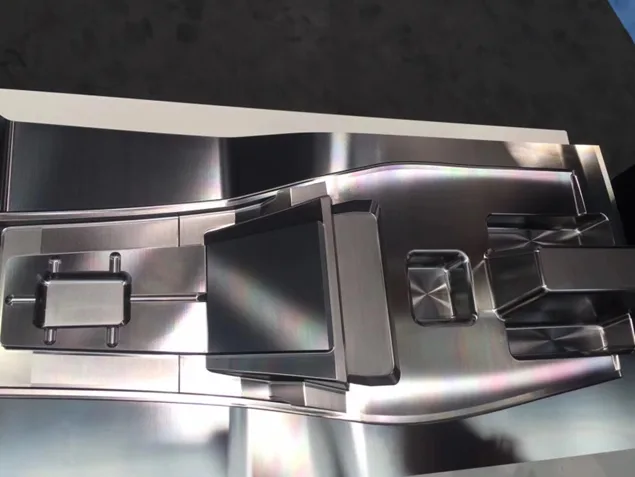
Polished Cavity Insert for Automotive Trim
Machined and polished insert carrying a long automotive trim form with sharp shut-offs.
View details →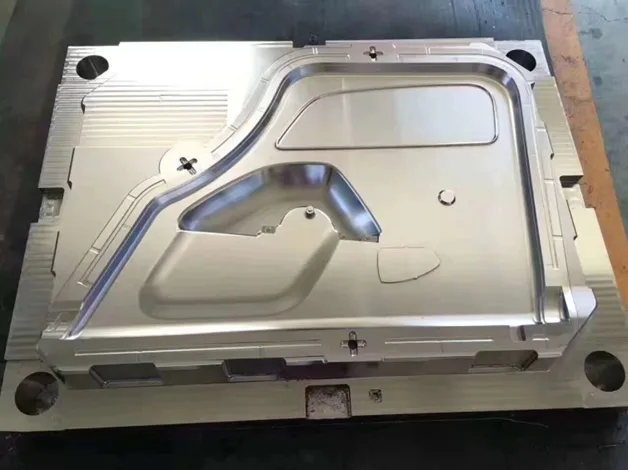
Cavity Plate for Appliance Panel
Large cavity plate with a deep panel form, guide bores and a full cooling pattern.
View details →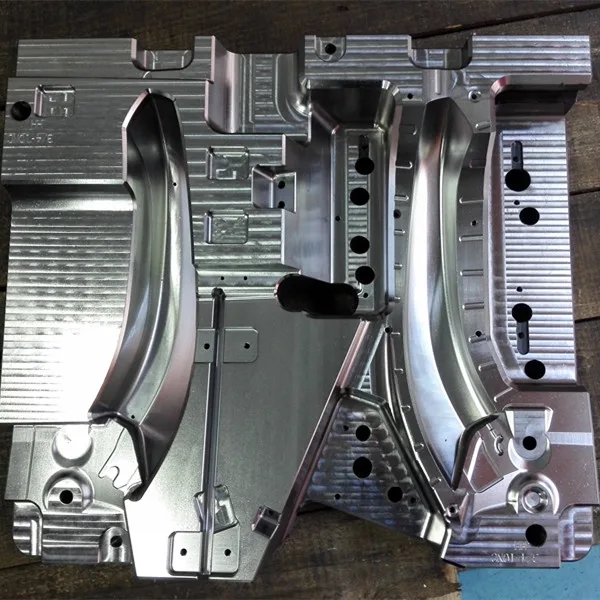
Mold Plate with Lamp Housing Cavity
Plate carrying a curved lamp housing cavity with slide pockets and ejector bores.
View details →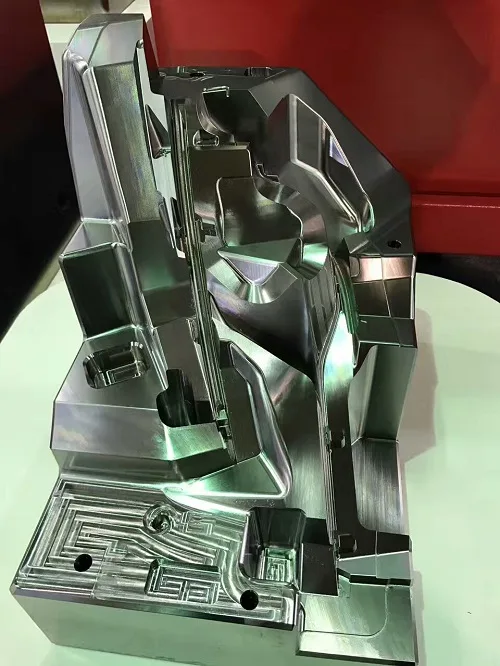
Precision Core Insert Block
Tall machined core block with stepped faces, deep slots and interlocking shut-offs.
View details →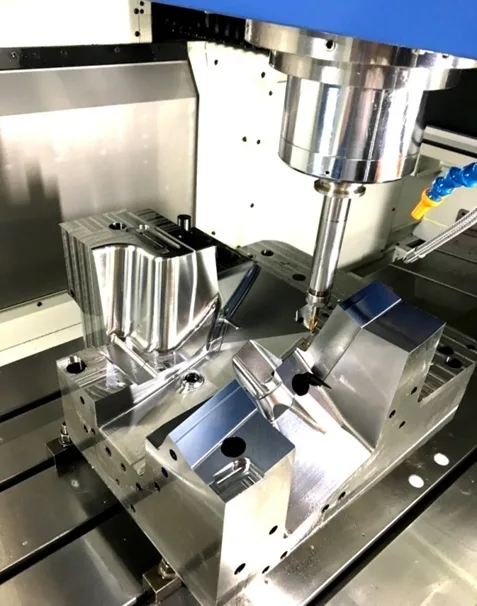
CNC Machined Mold Inserts
Set of inserts on the machine table, cut in one clamping for form accuracy.
View details →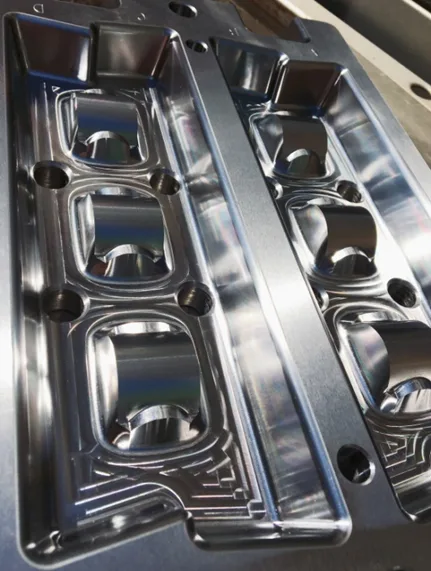
Multi Cavity Plate for Oval Parts
Cavity plate with a row of oval cavities and a balanced runner layout.
View details →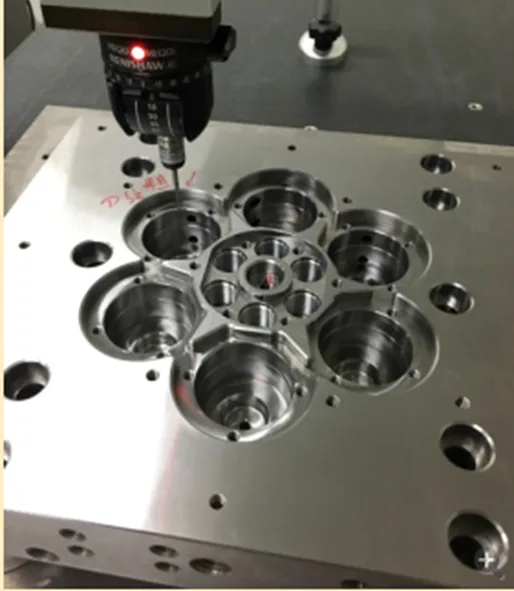
Cavity Plate Under CMM Inspection
Cavity plate on the CMM with a probe measuring the circular cavity pattern.
View details →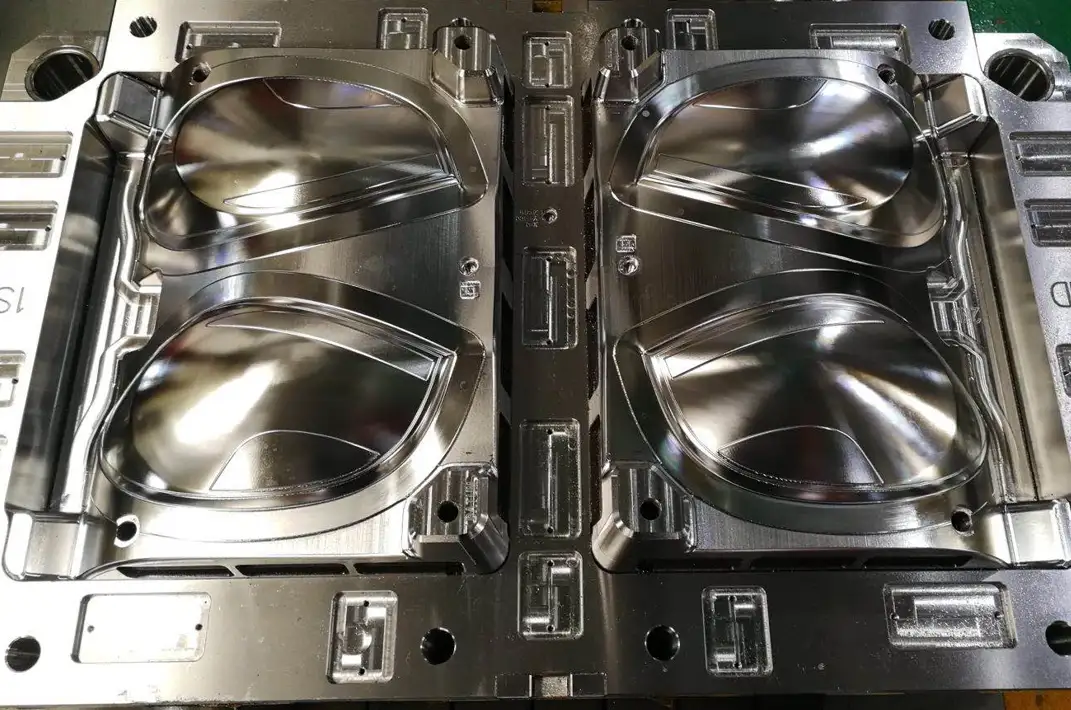
Two Cavity Mold Plate for Bowl Shaped Parts
Two-cavity plate with deep bowl forms and mirror-finished cavity walls.
View details →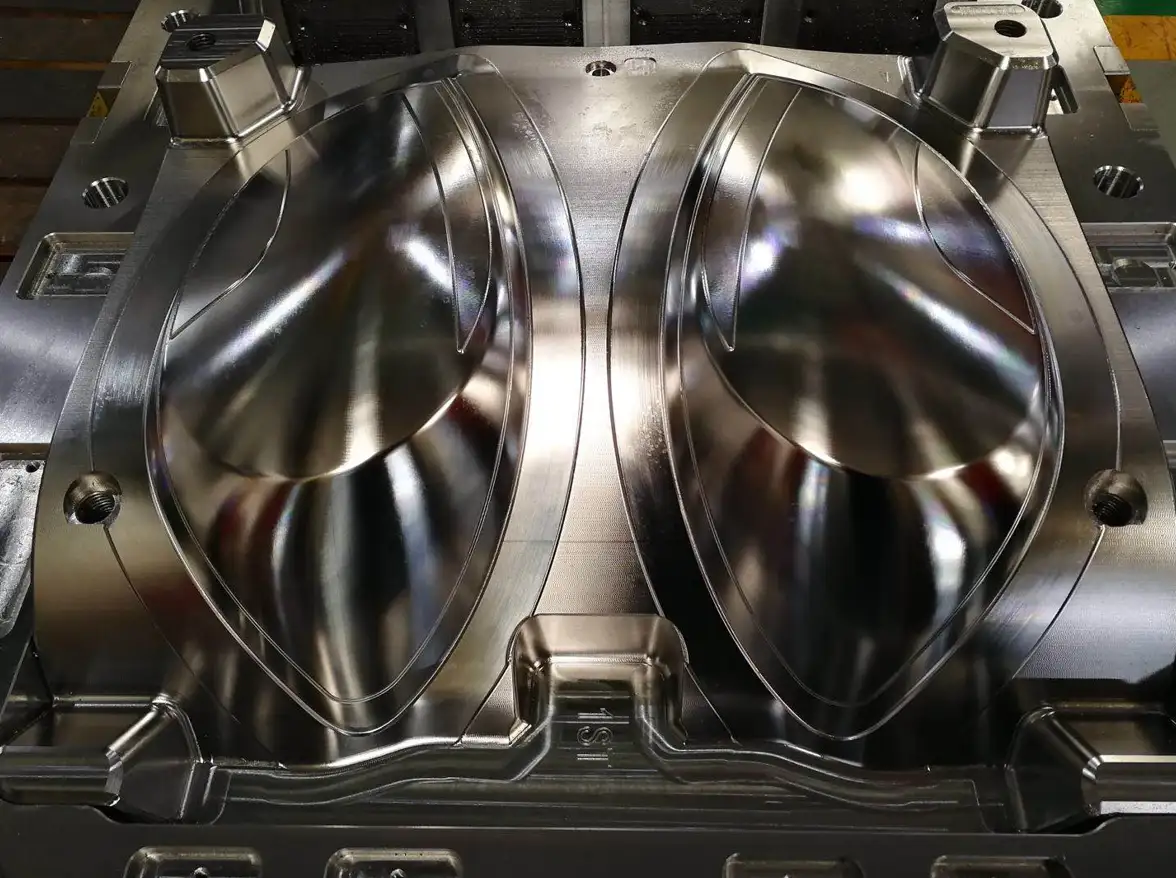
Mirror Polished Two Cavity Plate
Two-cavity plate finished to a mirror polish across the full molding surface.
View details →What Goes Wrong Here
A mold is only as good as the two blocks that touch the plastic. Insert work bought on price comes back with shut-offs that do not seal, a cavity form that drifts between the CNC and the EDM, and no measurement record to argue with.
Our Answer
Precision components making with CNC and EDM machining is one of the services we sell on its own, not only as part of a complete mold — steel dimensions are inspected after machining and electrodes are checked for dimension and surface finish before they are burnt.
Who This Is For
- Tool shops outsourcing overflow cavity and core work
- Mold owners needing spare or replacement inserts
- OEMs holding their own tools and buying consumable components
- Buyers needing electrode and insert work with an inspection record
Where These Parts Are Used
- Cavity and core plates for production molds
- Slide blocks, lifters and shut-off inserts
- Core pins, blades and ground details
- Replacement inserts for tools already in production
From Enquiry to Delivered Tool
- Step 1
Quotation within two working days from your 3D data, resin and volume
- Step 2
Full 3D mold design completed and reviewed, with the DFM sent for your comment
- Step 3
CNC and EDM machining with inspection after machining and on the electrodes
- Step 4
Mold trial, trial report and sample dimension report, then final and packing inspection
Mold Components — Questions We Are Asked
How many mold components do you show?
9, all photographed from our own work. Each one has its own page with the tooling route behind it.
What is the lead time on tooling for mold components?
Lead time depends on the size of the tool, the number of cavities and the side actions involved, so we put it in the quotation rather than publishing one figure. The quotation itself comes back within two working days. Programme lead times: TBC per project.
Which mold standard will you use?
Yours if you have one. Otherwise DME, Meusburger, HASCO, Progressive or MISUMI — naming it in the enquiry avoids re-specifying components later in the design.
Will we see a design before you cut steel?
Yes. The mold design is completed to one hundred percent detail, checked in a design review meeting, and sent to you together with the DFM for comment before fabrication starts.
What do you need to quote mold components?
3D part data, the resin, the expected annual volume and the mold standard. With those four items we can quote without a second round of questions.
Quote a Mold Component Tool
Send us the part and the volume. A professional mold quotation with technical comment comes back within two working days.