Radial and Bias Are Different Constructions Not Grades
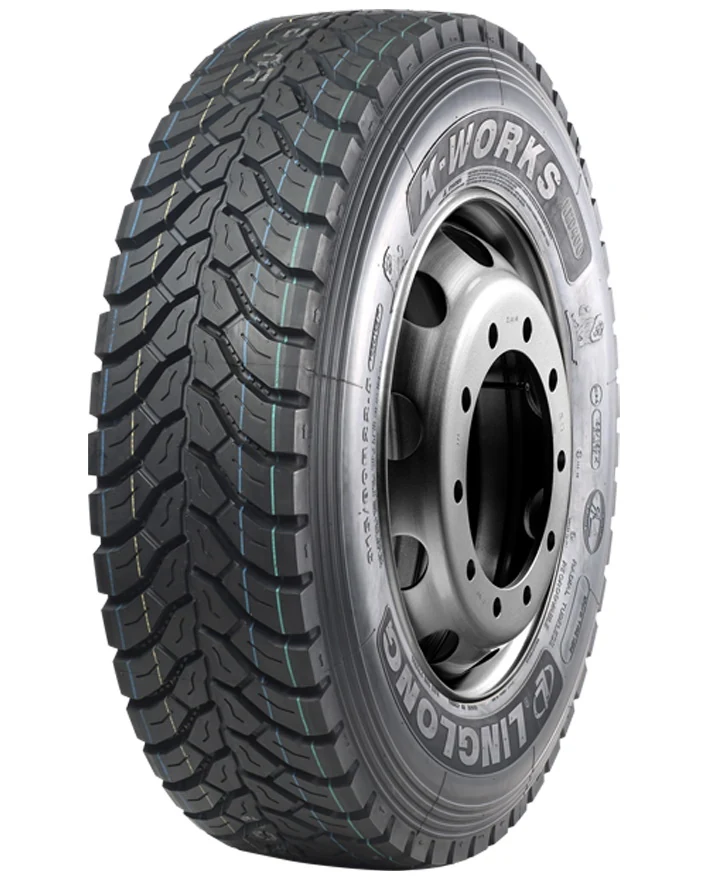
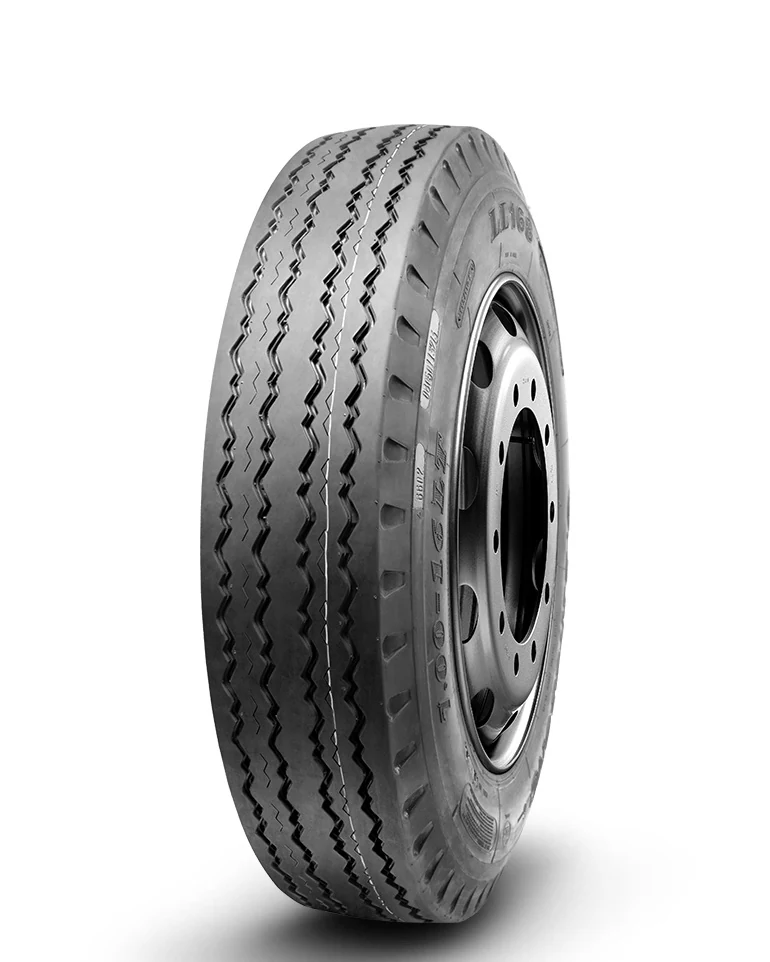
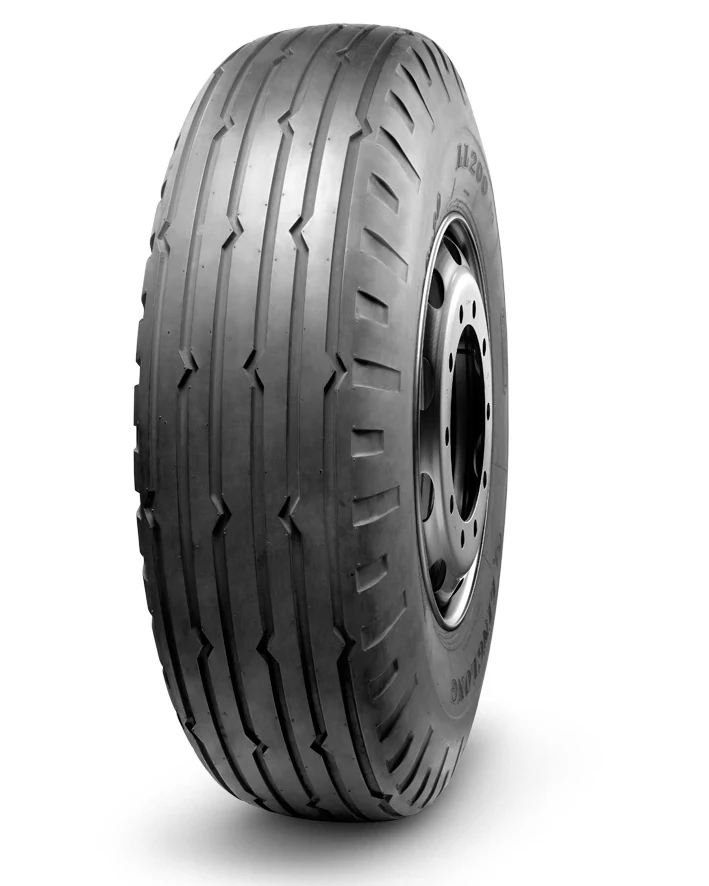
A TBR radial tyre has casing plies running at ninety degrees to the direction of travel, stabilised by a belt package under the tread. A TBB bias tyre has plies running diagonally and overlapping. This difference dictates how the tyre behaves under load. The radial construction allows the sidewall to flex independently of the tread, maintaining footprint stability. The bias construction ties the sidewall and tread together, creating a stiffer structure that resists deformation but generates more internal friction during rotation.
Heat Generation Limits Bias Speed Capability
Bias tyres generate more internal heat than radial tyres because the overlapping plies rub against each other during flexing. This heat buildup is the primary constraint on sustained high speed running. On long haul routes where tyres run at highway speeds for hours, the temperature in a bias casing can reach levels that compromise structural integrity. Radial tyres, with their separated belt and carcass systems, run cooler and maintain stability at higher speeds, which is why long distance logistics fleets almost exclusively specify radial construction.
Radial Construction Wins on Tread Life and Fuel
The radial design provides longer tread life and lower rolling resistance compared to bias construction. The belt package keeps the tread footprint flat against the road surface, reducing uneven wear and scrubbing. Lower rolling resistance translates directly to reduced fuel consumption for the vehicle owner. For importers serving long haul markets, stocking radial tyres is essential because fleet operators calculate total cost of ownership based on kilometres per litre and kilometres per casing. Bias tyres cannot compete on these metrics in high mileage applications.
Bias Tyres Resist Sidewall Cutting on Rough Terrain
While radial tyres excel on paved roads, bias tyres have a distinct advantage in sidewall strength against cuts and impacts. The overlapping ply structure makes the sidewall more resistant to penetration from sharp rocks, debris and rough terrain. In short cycle mining operations, quarry work or construction sites with poor surface conditions, sidewall damage is a common failure mode. A bias tyre can often survive impacts that would rupture a radial sidewall. This durability in harsh, low speed environments is why TBB tyres remain a critical stock item for specific sectors.
Radial Casings Hold Value for Retreading
Radial tyres are the primary raw material for the retreading industry. The casing structure of a radial tyre is designed to withstand multiple tread replacements, preserving the value of the expensive carcass. Bias tyres are generally treated as disposable units because their casing structure degrades more quickly under heat and stress, making them less suitable for retreading. If your market has an established retreading infrastructure, radial tyres offer a better return on investment for your customers, who can recover significant value from the used casing rather than scrapping the entire unit.
Unit Price Versus Cost Per Kilometre
On an invoice, a bias tyre often appears cheaper than a radial tyre. However, this comparison ignores the cost per kilometre. In long haul applications, the radial tyre's superior tread life and fuel efficiency usually result in a lower total cost of ownership. In low speed, short cycle applications where tread life is less critical and sidewall damage is the primary risk, the bias tyre's lower initial price and resistance to cutting can make it the more economical choice. Buyers must evaluate the specific application rather than just the purchase price.
Road Surface Quality Drives the Selection
The condition of the road surface is a decisive factor in choosing between radial and bias tyres. Poor road surfaces, unpaved routes and areas with frequent potholes or sharp debris shift the advantage toward bias construction. The robust sidewall of a bias tyre handles these impacts better than a radial sidewall. Conversely, smooth, well maintained highways favour radial tyres, where the benefits of heat dissipation and tread stability are maximised. Importers should align their stock mix with the infrastructure conditions prevalent in their target regions.
How to Decide Stock Mix for a Specific Market
To determine the right mix of TBR and TBB tyres for a market, assess four variables. First, average vehicle speed: high speed requires radial. Second, surface condition: rough or sharp terrain favours bias. Third, load cycle: short cycle heavy impact work suits bias. Fourth, retread availability: if a retread market exists, radial is preferred for casing value. A market with smooth roads, long haul distances and a strong retread industry needs mostly radial stock. A market with poor roads, short cycle mining work and no retread infrastructure needs a significant bias component.