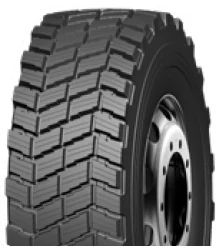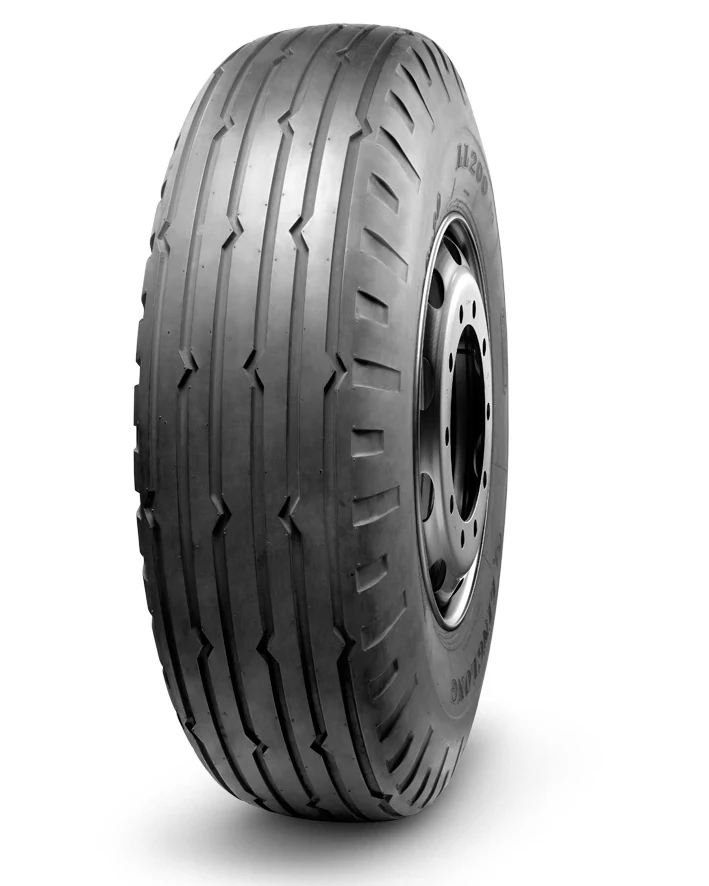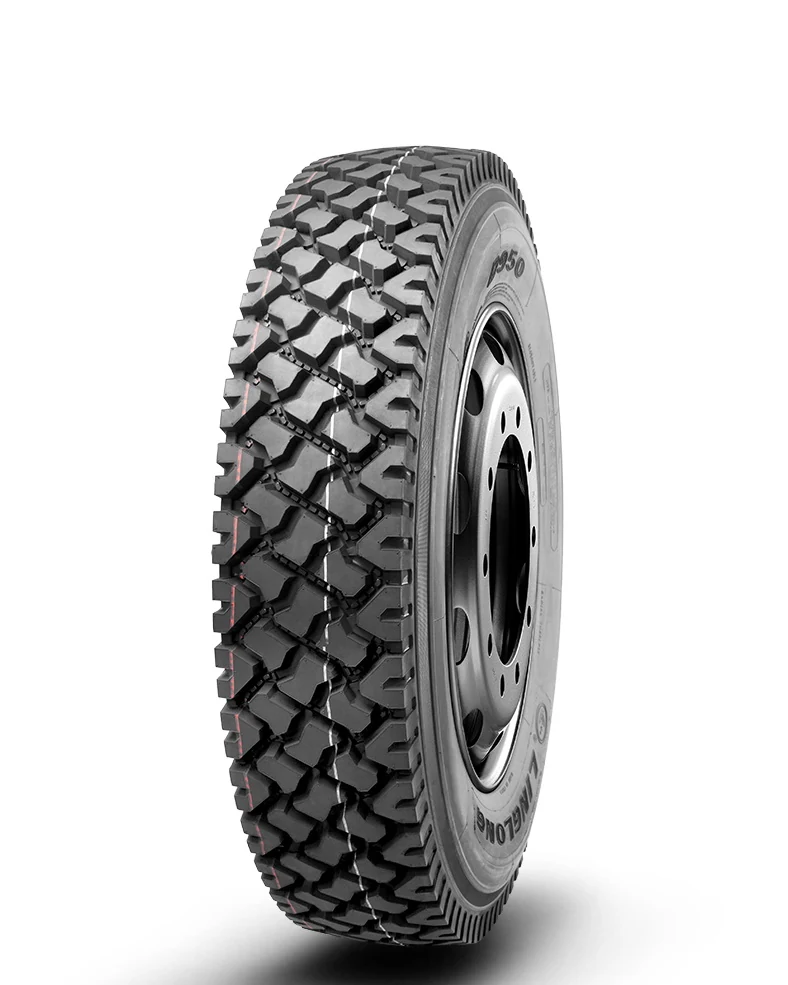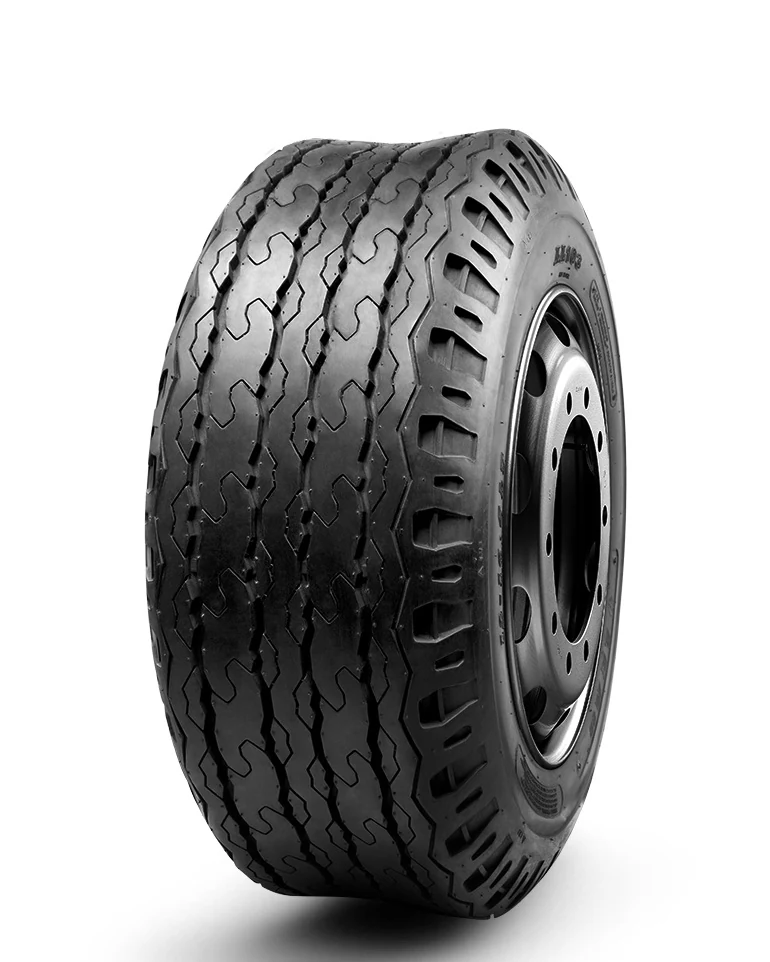
Why OTR Tyres Are Classified by Service Not by Vehicle
An off the road tyre is not specified by machine model but by the job the machine is doing. The same wheel loader may be loading trucks on soft ground one week and breaking stockpiled rock the next, and those are two different tyre applications. The TRA service classification system reflects this: each code describes the surface, the duty cycle and the risk profile the tread and casing are built for. So instead of asking what tyre fits a particular excavator, you start from what that machine actually does on your site, then read the code against it. This is also why two tyres of identical size can carry different codes and be correct answers for different customers.
The Letter Is the Machine Class E L and G
The letter in a code such as E-3 or L-5 places the tyre in a service class. E stands for earthmover and covers haulage work, typically trucks and scrapers running defined routes. L stands for loader and dozer service, where the tyre sees slow speeds, heavy static loads and steering scrub. G stands for grader, where the front tyres need a tread that resists side wear on long passes. Other letters exist for compactor and industrial service. When you compare quotations between suppliers, check that both tyres are offered in the same service class, because a difference of one letter can mean a different casing and a different tread compound.
The Number Is Tread Depth in Steps
The number after the hyphen indicates tread depth in roughly ordered steps. A low number means a shallower tread; a higher number means more rubber under the tread and a more aggressive pattern. The trade-off is heat. A deeper tread flexes more and generates more internal heat per kilometre, which matters on long haul cycles at speed. A shallower tread runs cooler but wears through faster on abrasive rock. So the number is not a quality grade. It is a position on a line between cut resistance and heat management, and the correct point on that line depends on your cycle.
The Codes You Will See Most Often
In practice, most enquiries fall on a handful of codes. E-3 and L-3 are general traction depth, the default for mixed duty where no single extreme dominates. E-4 and L-4 are deep tread, specified where wear rate is the problem, for example on abrasive haul roads or loader work in sharp aggregate. L-5 is extra deep rock service, built for loaders and dozers working directly on broken rock where sidewall and tread cutting are the main cause of removal. If a supplier quotes an L-5 where the duty is a long haul, or an E-3 where the machine is digging in rock, the code has been matched to price rather than to the job.
Why a Deeper Tread Is Not Automatically Better
The temptation on a quarry tender is to specify the deepest tread available and assume maximum life. On long cycles at higher speeds this can backfire, because the extra tread depth increases heat generation and sustained high temperature degrades the casing faster than the extra rubber earns back. Heat is the reason TKPH, the tonne kilometre per hour rating of an OTR tyre, exists as a check alongside the load and size. For short, slow, high-cut-risk cycles the deep tread usually wins. For long hauls at speed, a shallower code with the right compound often removes tyres for heat rather than wear. Match the code to the cycle, not to the specification sheet.
Radial Versus Bias Within OTR
The service code system applies to both radial and bias construction, so an E-3 can exist in either. Radial OTR tyres run cooler, roll with less resistance and generally give longer tread life and better retreadability, which is why long haul fleets tend toward them. Bias tyres have a more cut resistant casing structure and usually a lower purchase price, which suits short cycle rock work and operations where casing preservation is not the priority. Cycle length and surface decide it. Long, defined haul routes favour radial; short loader cycles on sharp rock often still make sense on bias. Decide construction first, then choose the code within it.
Matching the Code to the Actual Duty
Four questions sort most OTR specifications. First, haul distance and speed, which set the heat budget and push long cycles toward shallower tread or radial construction. Second, surface abrasiveness, which sets the wear rate and pushes abrasive routes toward the next tread depth up. Third, cut risk, which on loaders and dozers working rock justifies an L-4 or L-5 and may justify bias construction. Fourth, cycle time, since slow machines can tolerate deep treads that a fast haul truck cannot. Send us those four answers with the size and axle position, and we can narrow the code and construction before any price is discussed.
What to Check on the Size Table Before Ordering
Once the code is settled, check the size table line by line before ordering. Confirm the standard rim against the wheels actually on the machine, because an OTR size is only valid on its listed rim. Confirm the load index and the inflation pressure it depends on against the machine axle plate, remembering that a tyre run below its specified pressure is not carrying its rated load. Confirm the overall diameter against clearance and against matching tyres on the same axle. Then tell us the destination market, so we confirm with the plant what markings and Certificate of Origin are available for that shipment before the order is placed.