Weight Limit Versus Volume Limit
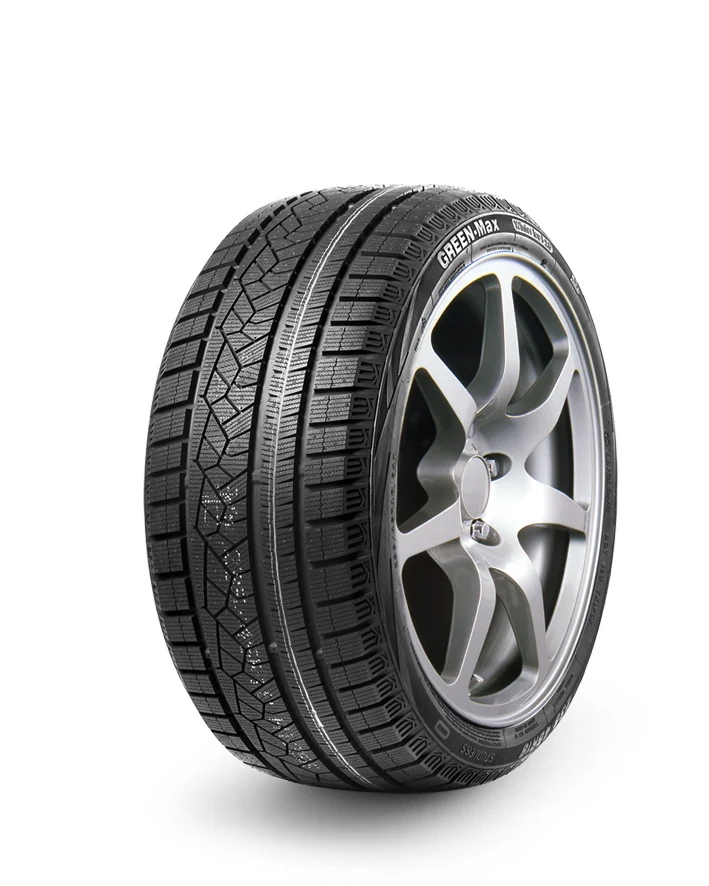
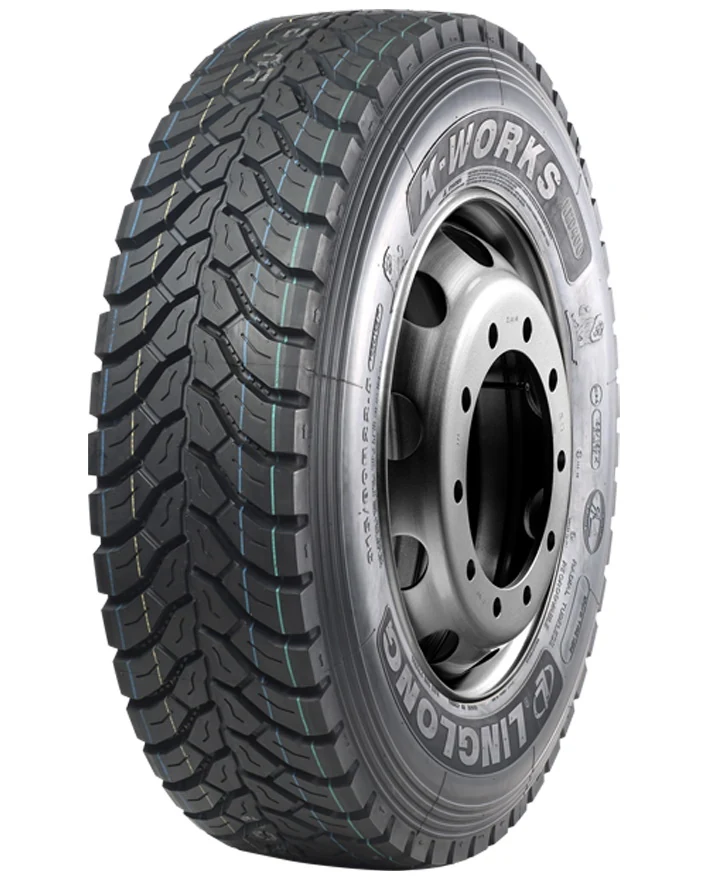
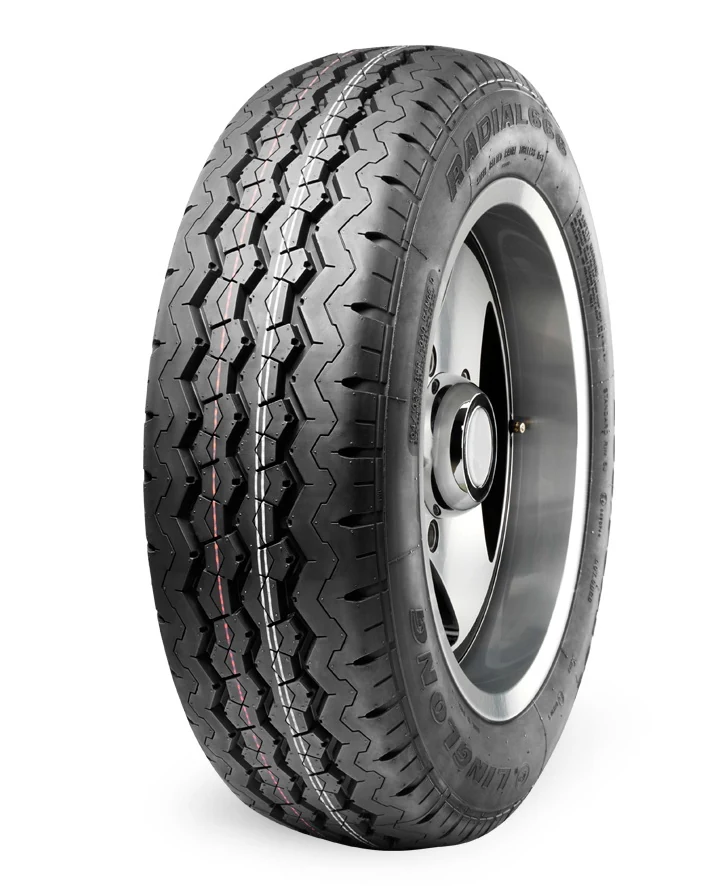
Every shipping container has two ceilings: a maximum payload weight and a maximum internal volume. Truck tyres are dense and heavy relative to their size, so a container full of TBR or OTR units usually reaches the weight limit while there is still empty space at the top. Passenger tyres are lighter and bulkier, so a container full of PCR units usually fills the volume while still being well under the weight limit. Understanding which limit applies to your primary product line is the first step in planning a profitable order, because it determines whether you are paying for air or leaving capacity unused.
Why Mixed Loading Increases Value
Because truck tyres weigh out and passenger tyres cube out, they complement each other in a single container. If you ship only truck tyres, you pay freight for the empty vertical space left above the stack. If you ship only passenger tyres, you pay freight for the unused weight allowance. By combining them, you fill the volume with the lighter units while keeping the total weight within the limit. This increases the value density of the shipment, meaning you move more sellable units for the same freight cost, which directly improves your landed margin.
Container Types And The High Cube Advantage
Standard dry containers are the baseline, but for tyres, the High Cube container is often the more efficient choice. The extra height allows for an additional layer of stacked truck tyres or more vertical nesting of passenger tyres. Since truck tyres are constrained by weight, the extra volume in a High Cube does not always mean you can add more truck tyres without hitting the weight limit. However, it provides the necessary space to fill the gaps with lighter passenger or agricultural tyres, maximizing the use of the container's internal dimensions.
Stacking And Nesting Are Not Simple Division
Tyres are not uniform blocks; they are toroids with hollow centers. This geometry allows for nesting, where smaller tyres fit inside larger ones, and stacking, where units are placed on top of each other. However, you cannot simply divide the container volume by the volume of a single tyre to get a count. The arrangement depends on the size mix, the need to protect sidewalls, and the requirement to keep the load stable during transit. A poorly planned stack can shift, damaging goods, while a well-planned stack utilizes every cubic centimeter available.
Planning For OTR And Agricultural Sizes
Off-the-road and agricultural tyres are large, heavy, and often have irregular shapes. They consume significant floor space and weight capacity quickly. A container might hold only a small number of these units, leaving substantial volume unused if not planned correctly. These sizes cannot be assumed to fit alongside standard truck or passenger tyres without a specific layout plan. Because their unit count is low, the freight cost per tyre is naturally higher, making precise planning essential to avoid shipping air or exceeding weight limits.
Load Counts Before Commitment Not After
A reliable supplier calculates the exact number of tyres that fit into your chosen container based on your specific size list before you pay a deposit. They do not guess or promise a generic number and hope it works out. This pre-commitment planning ensures that the invoice reflects the actual load, prevents last-minute surprises at the port, and allows you to adjust quantities to maximize the container's utility. If a supplier cannot provide a detailed loading plan, you risk paying for unused space or facing delays when the container is found to be overweight.
The Cost Penalty Of Part Filled Containers
Freight costs are largely fixed per container, regardless of how full it is. If you order a small quantity of a single size, you still pay for the entire container. This results in a high freight cost per unit, which erodes your competitive edge in the local market. Consolidating multiple sizes or types into one container spreads the freight cost across more units, lowering the landed cost per tyre. A standalone order is rarely efficient unless the volume is sufficient to fill the container by weight or volume.
Information Needed To Plan A Load
To generate an accurate load plan, we need your specific size list and the quantity per line. We then map these against the container's weight and volume limits, considering nesting possibilities and stacking stability. This data allows us to suggest adjustments, such as adding a complementary size to fill unused space or reducing a quantity to stay under the weight limit. Providing this information early ensures that the final order is optimized for cost efficiency and logistical feasibility before any financial commitment is made.