What an Agricultural Tyre Actually Has to Do
An agricultural tyre has two jobs that pull against each other. In the field it has to put engine power into soft ground without spinning, and it has to do that while disturbing the soil structure as little as possible. On the road it has to carry the machine at legal speed with acceptable heat build-up and wear. A tread and casing that do the first job well are not automatically good at the second. When you specify for a customer, work out what share of the machine's life is spent on each surface, because that decides which trade-off is the right one for that tractor, implement or trailer.
R-1 R-1W and R-2 Tread Classes
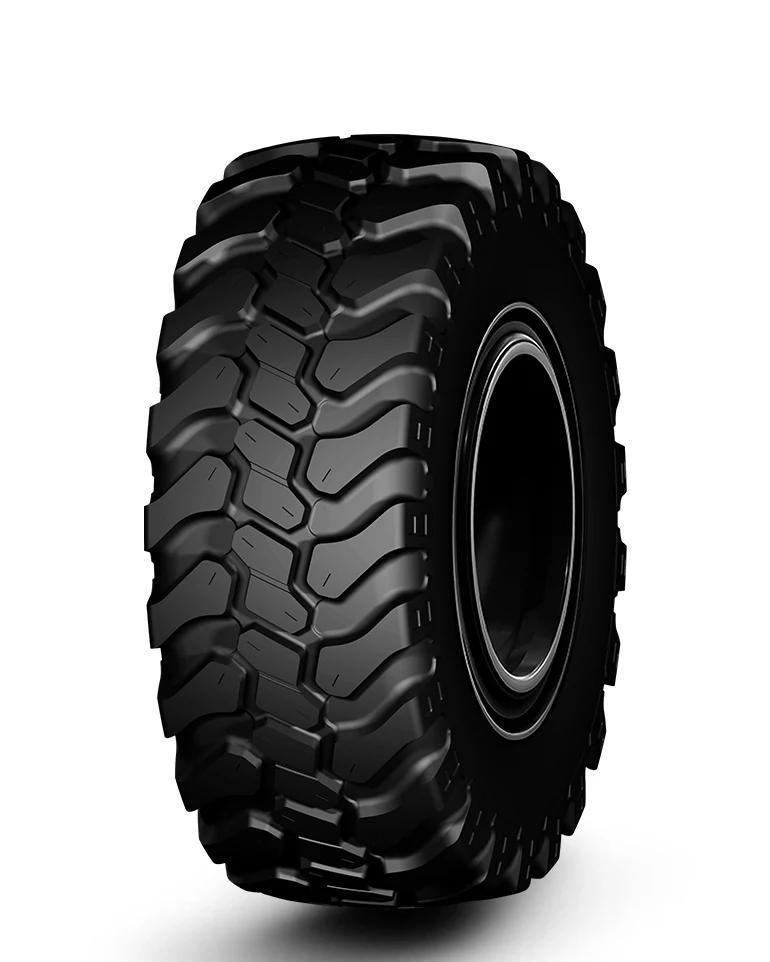
Agricultural drive-wheel tyres are grouped into tread depth classes. R-1 is the standard depth pattern for general farming on soils that are not permanently wet. R-1W is a deeper pattern, roughly one and a half times the standard depth, intended for wet and soft ground where extra lug bite and longer wear in abrasive conditions are worth paying for. R-2 is the deep lug class for cane, rice and paddy work in mud that would stall a shallower pattern. The classes are not a quality ranking. Match the class to the ground the machine actually works on, not to the deepest pattern available.
Compaction Comes From Pressure Not Pattern
Soil compaction is driven by the pressure the tyre applies to the ground, and that pressure is set mainly by inflation pressure and footprint area, not by the tread design. A wide tyre run at low pressure carries its load over a larger footprint and pushes into the surface less than a narrow tyre at high pressure, whatever the lug shape. This matters for buyers because it means the specification to check is the load and pressure table, and whether the machine's tyre sizes allow low-pressure operation at the working load. A deeper lug does not fix a compaction problem; a bigger footprint at the right pressure does.
Radial Versus Bias in the Field
A radial agricultural tyre forms a longer, flatter footprint and can run at lower inflation pressure than a comparable bias tyre, which is why it is the usual answer where compaction, traction and ride on long field hauls matter. A bias tyre costs less per unit, has a stiffer sidewall that resists cuts and snags, and for short-season implement duty or hard, stony ground it can be the more economical choice. Neither construction is simply better. The honest way to specify is by duty: radial where the machine lives on soft ground and roads, bias where cost and sidewall toughness dominate.
Lug Wear on Road Legs
A deep field lug is designed to dig into soil. On tarmac the same lug runs hotter, wears faster and can tear or chunk, especially on machines that cover serious distances between fields. The rubber compound and lug angle in a pure field pattern are not made for sustained road speed. For mixed duty machines, look at patterns marketed for both on- and off-road use or accept that a dedicated field tyre fitted to a road-heavy machine will be replaced early. Ask the customer honestly how many road kilometres the machine does before you quote a pattern.
Implement and Trailer Tyres Are a Different Job
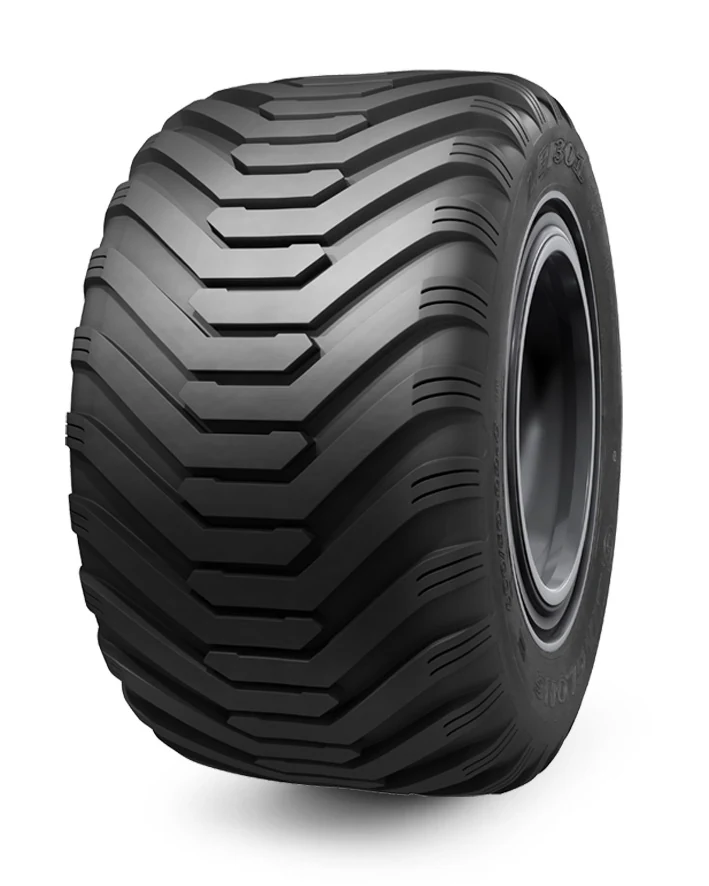
Implement and trailer wheels carry load but deliver no power, so the specification problem is different. What matters is load capacity at the pressures the implement runs, footprint for the crops and soils involved, and clearance in the machine's frame. These tyres are the ones overlooked until harvest, because everyone specifies the tractor and forgets the baler, spreader or trailer. When a dealer orders a container, check that implement sizes are on the list. A stalled trailer wheel at peak season costs far more than the tyre would have.
Check Clearance With Measured Dimensions
In narrow row, vineyard and orchard work, fitment is decided by measured section width and overall diameter, not by the nominal size marking. Compare the section width against the minimum row spacing and the overall diameter against mudguard, fender and frame clearance at full steering lock. Remember that a tyre's actual width varies with the rim and the pattern, so use the manufacturer's listed dimensions for the specific size rather than calculating from the marking. Most fitment complaints trace back to checking only the size number on the sidewall.
Order Ahead of the Season Window
Agricultural demand arrives in a narrow window that moves with the planting and harvest calendar of the destination market. That is a problem for importers because the window for production and shipping is even earlier than the window for selling. A container ordered in season typically arrives after it. The practical approach is to plan the order around your market's season minus production and transit time, and to hold stock in the sizes and tread classes your region actually sells. Tell us your market and season and we will plan the loading and shipping schedule backwards from your selling window.