Gripping in Snow and Being Legal in Snow Are Different Questions
A buyer ordering winter stock has two separate problems and they are easy to confuse. The first is whether the tyre actually grips on snow and ice well enough for the customer driving on it. The second is whether the marking on the sidewall satisfies the seasonal regulation in the destination market. A tyre can grip well and still fail the second test, and a tyre can carry the right marking and still disappoint a driver. Procurement needs to answer the legal question first, because a container that cannot be sold in the season it arrives for is a warehouse problem, not a technicality.
M+S Is Applied by the Manufacturer With No Test Behind It
The M+S marking is the older of the two. It stands for mud and snow, and the manufacturer applies it based on the geometry of the tread pattern. There is no standardised traction test behind it, so two tyres both marked M+S can behave very differently on a packed surface. This matters for an importer because M+S on its own does not tell your customer much beyond the fact that the tread shape was designed with slush and soft snow in mind. It is a description, not a result.
3PMSF Is Awarded on a Defined Snow Traction Test
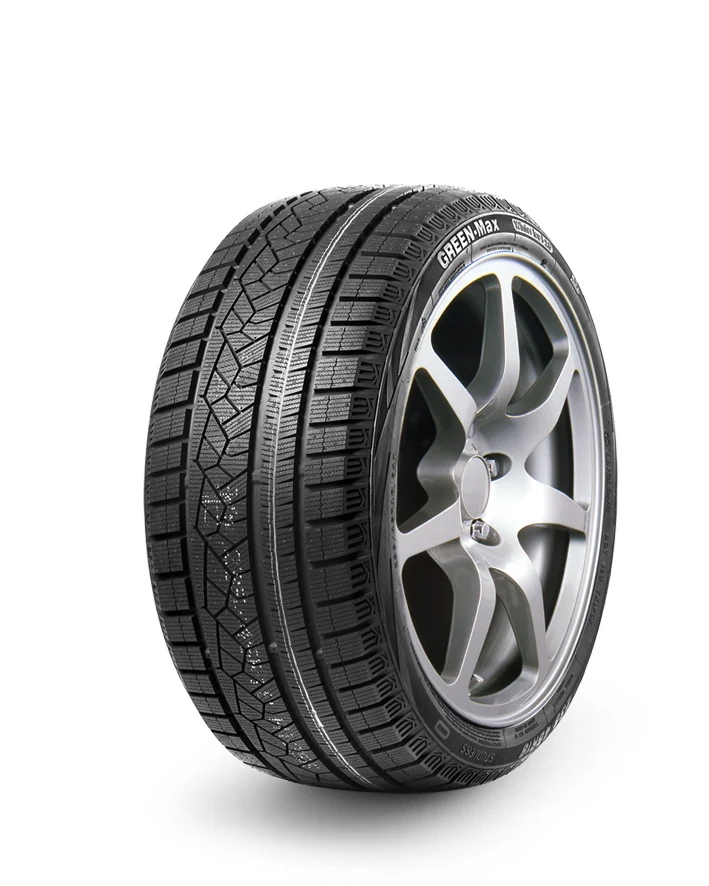
The three peak mountain snowflake symbol, usually shortened to 3PMSF, is different. A tyre only carries it after passing a defined snow traction test against a reference tyre. That gives the marking a measurable meaning: this tyre demonstrated a level of snow performance, not just a tread shape. For a distributor, that difference is what you are selling to an informed retail customer, and it is what a border inspection is most likely to be checking against the paperwork.
Why Most European Winter Regulations Name 3PMSF
Because M+S has no test behind it, most European winter rules cite the 3PMSF symbol as the marking that satisfies the requirement during the defined period. The practical consequence at a border or roadside check is simple: an M+S tyre that is not also 3PMSF marked may not comply even though it says mud and snow on the sidewall. Before you order winter stock for a European destination, read the exact wording of the regulation that applies, because it is the marking named in the text that counts, not the one that looks close enough.
All-Season Tyres Carrying Winter Marking
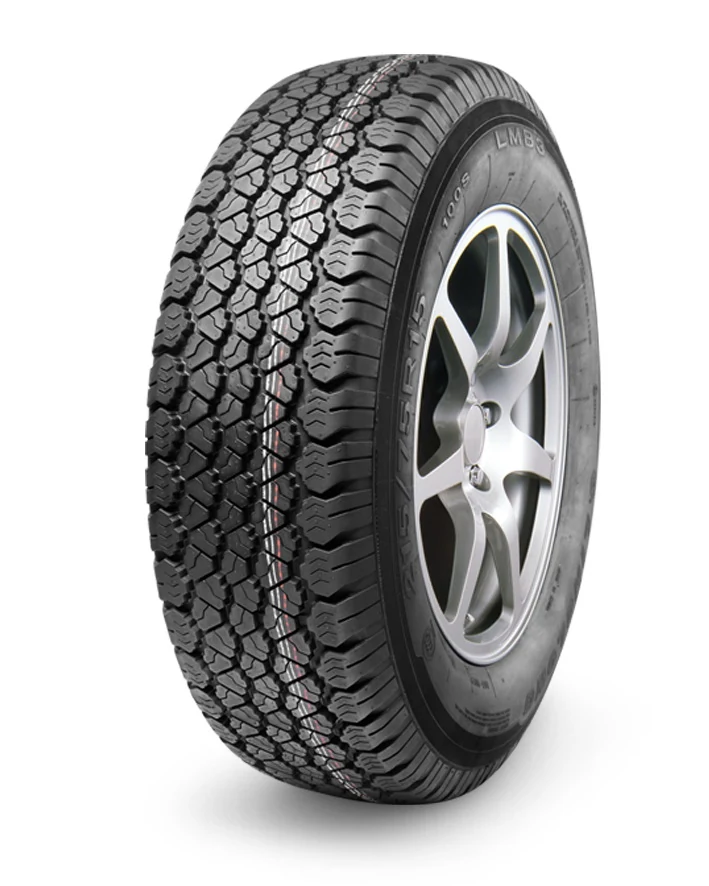
A good deal of the product carrying 3PMSF today is all-season rather than dedicated winter tread. For an importer this can be a genuine solution, because it lets a market with a short or mild winter sell one tyre all year while still meeting the marking rule in the cold months. It is also a compromise in a market with long, hard winters, where a dedicated winter compound and pattern will outperform it. Match the product type to how cold and how long your season actually is, not just to whether a symbol appears on the sidewall.
Truck and Passenger Requirements Are Often Different
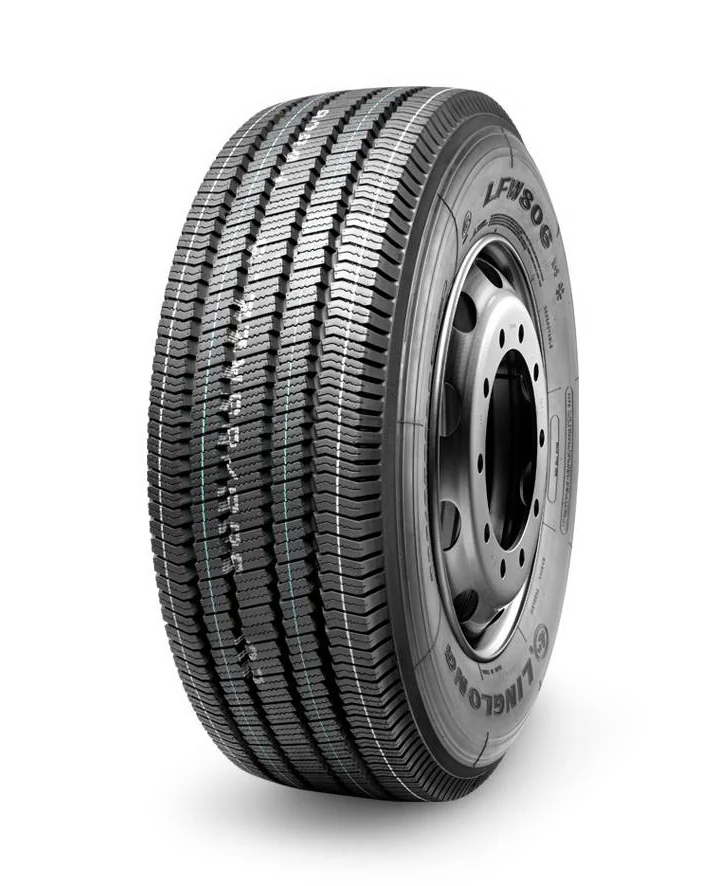
If you ship both PCR and TBR into the same country, do not assume the winter rule is the same for both. Many markets treat passenger car and commercial vehicle tyres differently in their seasonal requirements, sometimes in scope, sometimes in the marking expected. A mixed container ordered on a single assumption about winter compliance can end up half correct. Check the requirement for each tyre category in your range separately, and confirm the marking on the specific sizes in each category before the order is placed.
Winter Product Has to Be Bought Long Before the Season
Winter tyres sell in a window, but they are manufactured and shipped well ahead of it. Production slots, ocean transit and port handling mean the container you need on your yard at the start of the season has to be ordered months earlier. Buying too late usually means either paying more for whatever is on the water or missing the window entirely, and seasonal product that arrives after the season ties up capital for a year. Plan the order backward from your selling date, not from when demand becomes obvious.
Confirm Marking Availability by Size Before You Order
Do not assume a pattern carries a winter marking in every size it is made in. Moulding a 3PMSF symbol requires the tyre to have passed the test in that size, so availability is per pattern and per size. The product page on this site states the marking for each pattern, and the reliable procedure is to confirm it for the exact sizes in your enquiry before confirming the order. Tell us the destination market, let us check with the plant what marking is available on those sizes, and put the agreed marking into the order confirmation so the paperwork and the goods match.