Why Tyres Are Designed by Axle Position
A truck tyre has one of three jobs depending on where it sits: steering response on the front axle, driving traction under power, or free rolling behind the trailer. Each job loads the tyre differently. A steer tyre needs straight tracking and predictable grip with no load pushing it into the road. A drive tyre needs to transmit engine torque without tearing up its own tread. A trailer tyre needs to carry a heavy static load while being dragged sideways through every turn. One tread pattern cannot be optimal at all three, which is why manufacturers build position-specific designs and why fitting the wrong one is a false economy.
Steer Tyres and Even Wear
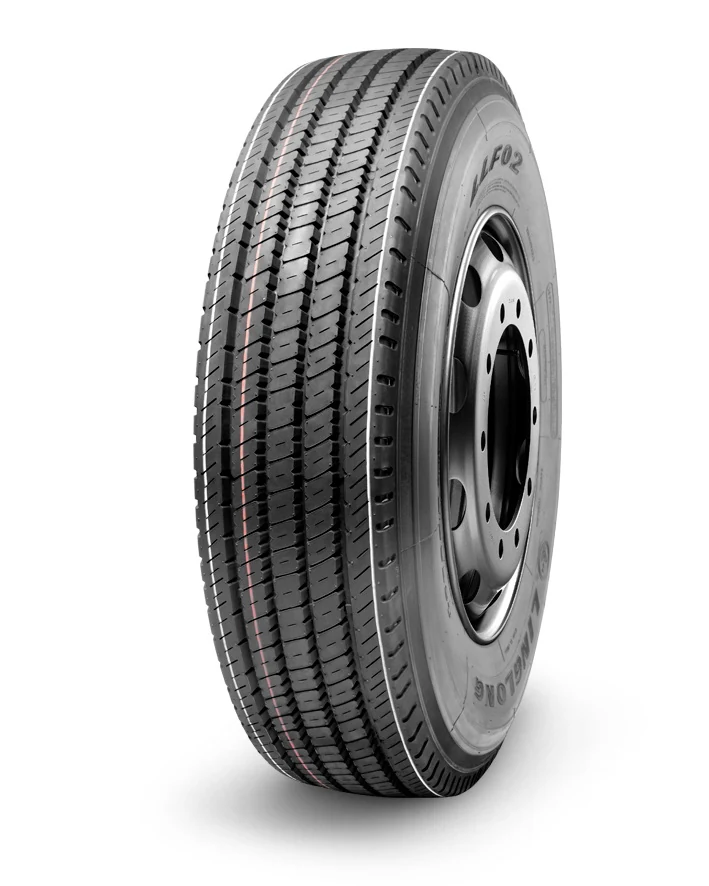
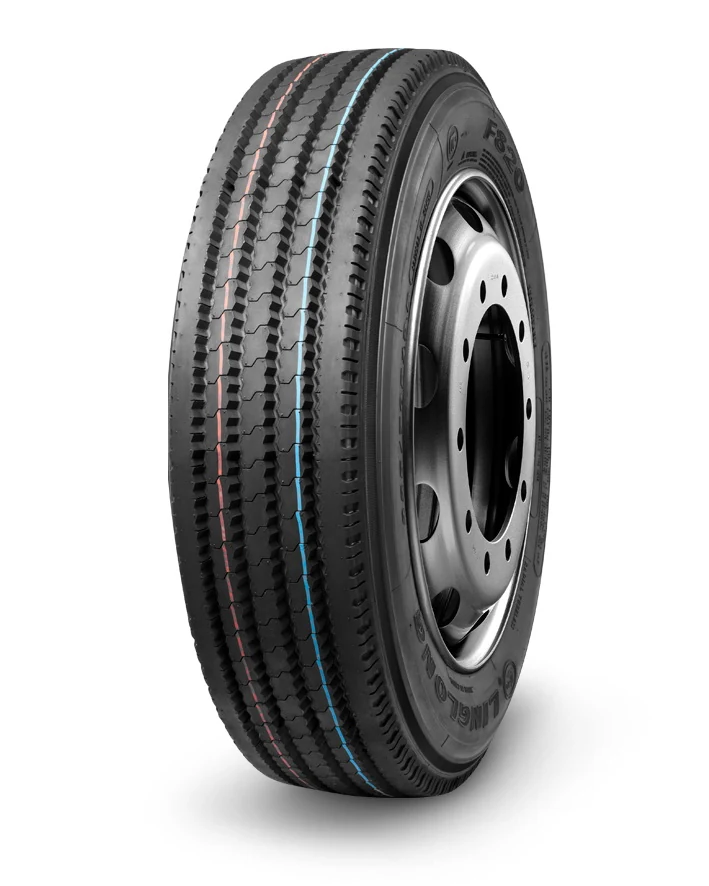
Steer tyres use rib patterns: circumferential grooves with solid ribs, rather than independent blocks. The job is to roll straight, resist irregular wear and hold the line under braking. Wear here should be even across the full width of the tread. When it is not, the driver feels it before the fleet sees it in any measurement, because irregular steer wear shows up first as a handling complaint: wandering, vibration or pull. Since steer position is where a failure is most dangerous, most fleets put their best casing here and replace it before it is worn out.
Drive Tyres Wear Fastest
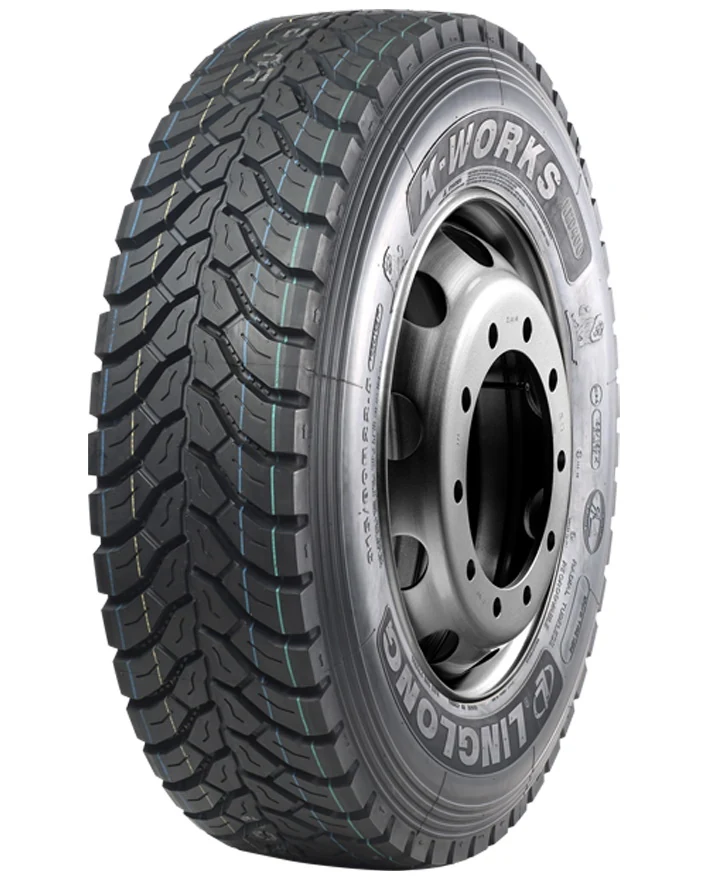
Drive tyres carry block patterns: deep, aggressive lugs designed to bite under torque. Every application of power scrubs those blocks against the road, which is why the drive axle is usually the fastest-wearing position on the vehicle. The trade-off is inherent: the more open the tread, the better the traction and the faster the wear, especially on a vehicle that spends its life on hard pavement rather than soft ground. Matching the block design to the actual duty, highway versus mixed service, matters more here than at any other position.
Trailer Tyres and Scrub
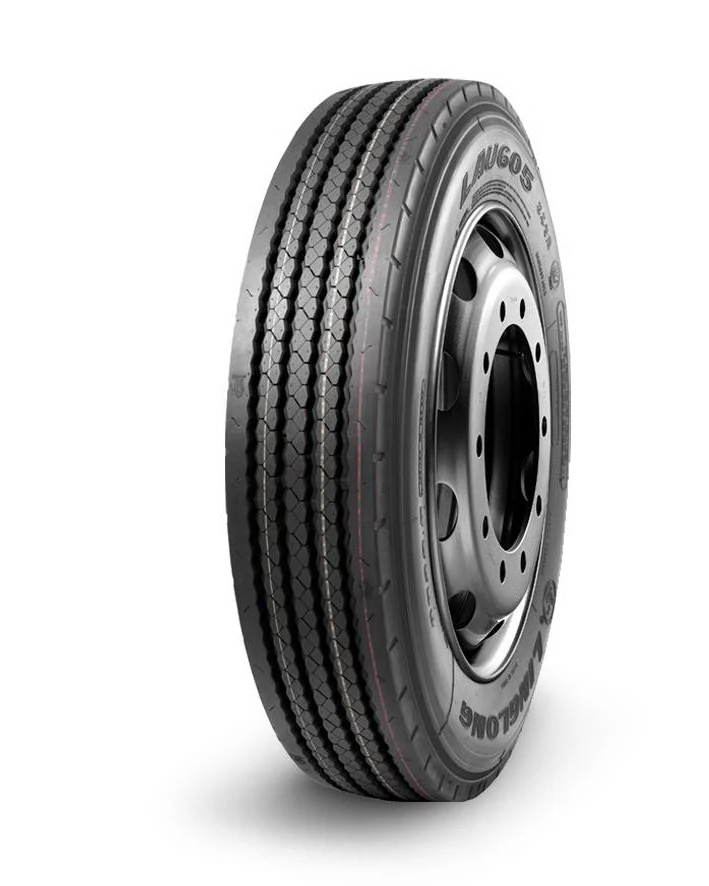
Trailer tyres free roll: the engine does not drive them and steering does not turn them. Their job is to carry load while resisting scrub, the sideways dragging that happens every time the tractor turns and the trailer axles follow a tighter arc. This scrub is why trailer treads are often ribbed or shallower than drive designs despite carrying comparable loads. Because the duty is mechanically simple, trailer tyres are frequently the cheapest position to specify correctly, and underspecifying here to save money usually shows up as irregular wear instead.
All-Position Tyres and the Compromise
An all-position tyre is designed to be acceptable in steer, drive and trailer duty. That means it is not the best at any of them: the tread is a compromise between rib stability, block traction and scrub resistance. For a mixed fleet that moves vehicles between roles, or a small operator who cannot justify holding three patterns in stock, that compromise can be the right call. For a dedicated line-haul tractor or a specialised trailer, a position-specific design will usually outperform it, because the manufacturer did not have to hedge the design.
What Goes Wrong When Positions Are Mixed
The failures follow the mismatch. A trailer tyre fitted to a drive axle lacks the tread design to transmit torque and wears unpredictably. Steer tyres on a vehicle doing tight urban work all day wear irregularly far sooner than their design intends, because the rib pattern was built for sustained straight running. Drive tyres with aggressive traction blocks on a highway fleet that never leaves pavement simply wear out faster than a highway pattern would, with no traction benefit gained. None of these are safety failures on day one; they all show up as shortened casing life and premature replacement.
Rotation and Casing Life Management
A fleet can extend casing life through position discipline and rotation. Keep the best casings on the steer axle and pull them before irregular wear sets in. Rotate drive tyres between dual positions to even out wear, and match tread depths across a dual pair so one tyre is not carrying more than its share. Regular pressure checks matter at every position, because an under-inflated tyre flexes more, runs hotter and wears its shoulders. None of this changes the tread pattern on the tyre; it just makes sure each design operates in the position it was built for.
Matching the Marking to the Vehicle
Product pages state the intended position for each pattern: steer, drive, trailer or all-position. Check it against the axle you are buying for before comparing prices. Then confirm three things: the size and rim against the wheels on the vehicle, the load index at your working pressure against the axle plate, and whether the pattern suits the actual duty, not the nominal category of the vehicle. A rigid dump truck on a quarry floor and a line-haul tractor both have drive axles; they do not need the same tyre. Tell us the axle and the duty and we will point you to the right pattern from the range.