
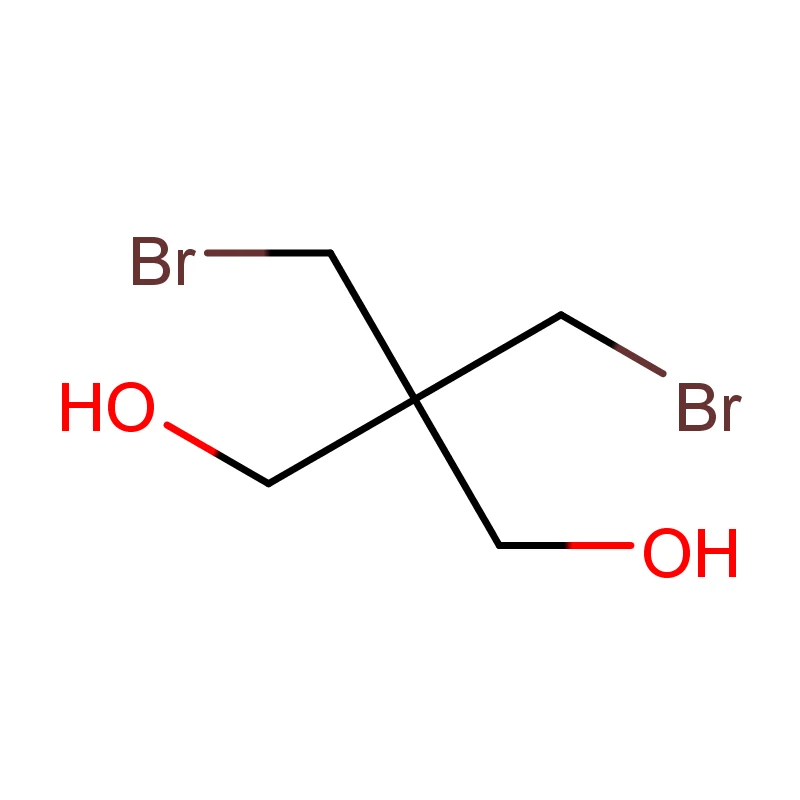
Dibromoneopentyl Glycol
Dibromoneopentyl glycol is a reactive flame retardant for unsaturated polyester, thermoplastic and polyurethane resins and for rigid polyurethane foam. Because it reacts into the polymer rather than sitting in it, the dosage needed is small and the mechanical properties of the base resin are not affected.
What You Get With This Grade
- Reactive rather than additive, so it does not bloom out of the finished part
- Small dosage requirement with no effect on the mechanical properties of the base resin
- The resulting polymer gains flame retardancy plus light stability and chemical resistance
- Assay 97.0% minimum by GC with moisture at 0.5% maximum, packed 25 kg per bag
Technical features
- Light yellow or off-white crystalline powder
- Reactive flame retardant with two bromine atoms per molecule
- Suitable for unsaturated polyester, thermoplastic and polyurethane resin, and rigid PU foam
- Gives the resulting polymer excellent flame retardancy, light stability and chemical resistance
Where Dibromoneopentyl Glycol Is Used
Unsaturated polyester resin
Built into UPR systems to give flame retardancy from within the polymer network.
Thermoplastic and polyurethane resin
Reacts into thermoplastic and PU resin systems.
Rigid polyurethane foam
Used in rigid PU foam where flame performance is specified.
Flame retardant fibre
Mixed with antimony trioxide it forms a melt with good fluidity and spinnability, producing flame retardant fibres with good mechanical properties.
Buyers This Grade Is Built For
- Composite and UPR manufacturers meeting flame specifications
- Rigid PU foam producers for construction and insulation
- Fibre producers making flame retardant textiles with antimony trioxide
- Formulators who have had additive flame retardants migrate out of finished parts
What It Stops Going Wrong
- Additive flame retardants bloom to the surface and lose effectiveness over the part's life
- High loadings of additive retardant degrade the mechanical properties of the base resin
- Flame retardants that yellow under light fail on appearance before they fail on performance
- Moisture in a crystalline retardant causes caking and dosing errors
Quality Index for Dibromoneopentyl Glycol
| CAS number | 3296-90-0 |
|---|---|
| Molecular formula | C5H10Br2O2 |
| Molecular weight | 261.94 |
| Appearance | Light yellow or off-white crystalline powder |
| Assay by GC | 97.0% minimum |
| Moisture by Karl Fischer | 0.5% maximum |
How It Ships and How to Store It
Packing
- 25 kg per bag
- Can be packaged according to user requirements
Storage and transport
- Keep dry to prevent caking of the crystalline powder
- Store in a cool dry area away from incompatible materials
How the Lot Is Released
Appearance, GC assay and Karl Fischer moisture are checked against the quality index before release.
What We Can Change
25 kg bags as standard and other packing according to user requirements. Tell us your dosing system and we will quote the bag size that fits it.
Against the Alternatives
This is the only flame retardant in our range and the only solid in the halogenated family. Unlike the chlorobutanes, bromopropanes and 1,4-dichlorobutane, which are reagents consumed in synthesis, dibromoneopentyl glycol is consumed by being built permanently into the polymer.
Handling Dibromoneopentyl Glycol on Your Site
Written for the person who receives the drum, not for a brochure.
- Dose against the resin system's hydroxyl balance, since the glycol reacts in as a diol
- Keep the powder dry so it stays free flowing at the dosing point
- For flame retardant fibre, combine with antimony trioxide to get the melt fluidity and spinnability described
- Confirm the 97.0% assay on the COA where the flame specification is tight
Dibromoneopentyl Glycol FAQ
Is this a reactive or an additive flame retardant?
Reactive. It is suitable for unsaturated polyester resin, thermoplastic resin and polyurethane resin, and can also be used for rigid polyurethane foam.
What assay and moisture does it carry?
97.0% minimum by GC with moisture at 0.5% maximum by Karl Fischer.
Does it hurt the mechanical properties of the resin?
No. Because of the structural characteristics of the product the dosage is small, which has no effect on the mechanical properties of the base resin.
Can it be used for flame retardant fibre?
Yes. Mixed with antimony trioxide it is especially suitable for flame retardant fibres, forming a melt with good fluidity and spinnability.
What does it look like and how is it packed?
A light yellow or off-white crystalline powder, packed 25 kg per bag or according to user requirements.
What else does the polymer gain?
Excellent flame retardancy, light stability and chemical resistance.
Related Products
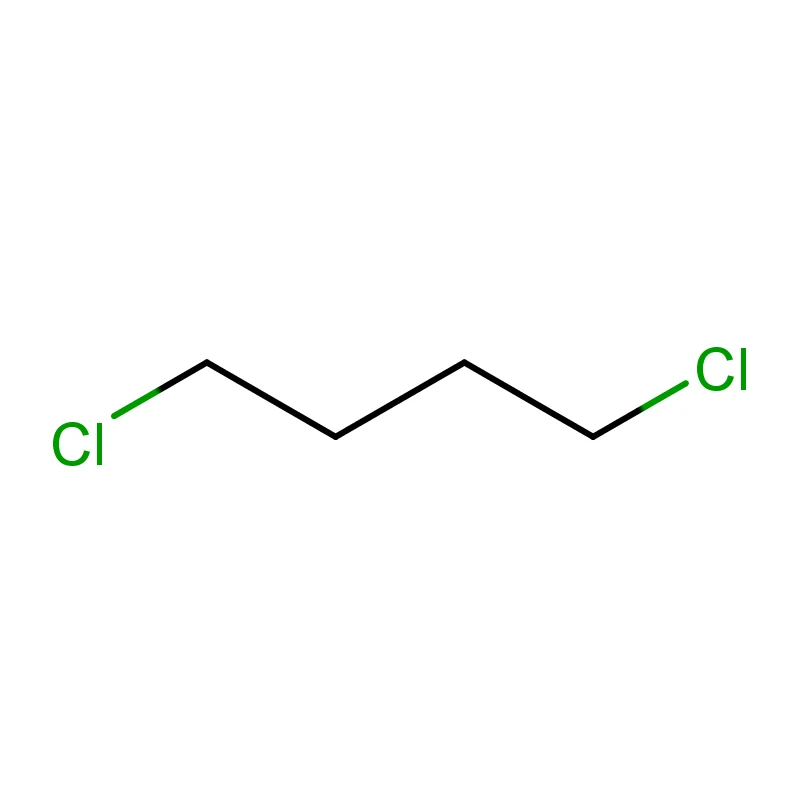
1,4-Dichlorobutane
CAS 110-56-5 · C4H8Cl2
1,4-Dichlorobutane is the difunctional four-carbon building block used as raw material and solvent for organic synthesis, including adiponitrile and...
View specification →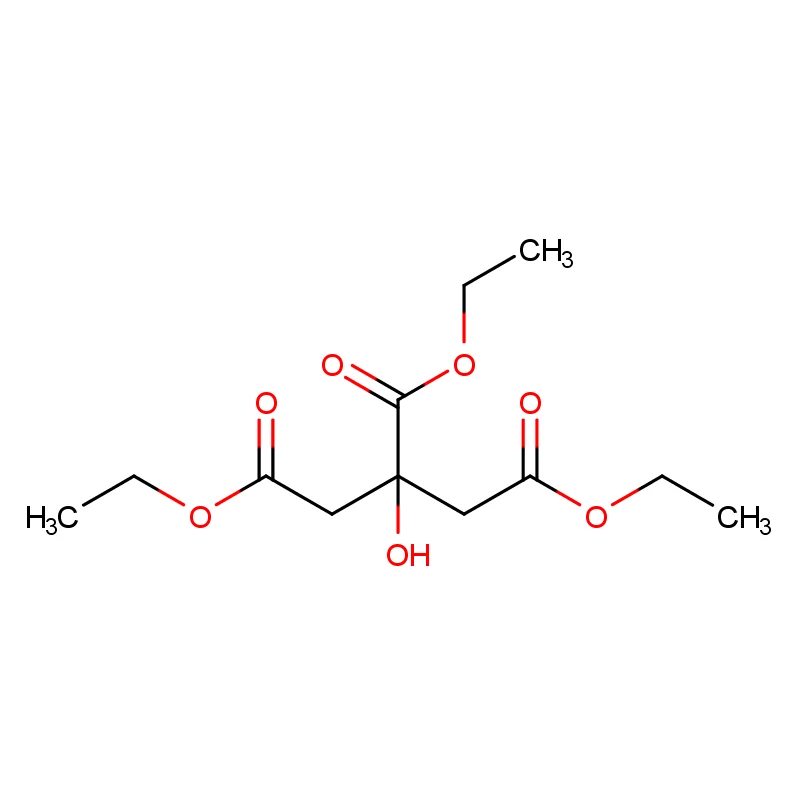
Triethyl Citrate
CAS 77-93-0 · C12H20O7
Triethyl citrate is an environmentally friendly non-toxic ester with strong solvency and good compatibility with a range of resins.
View specification →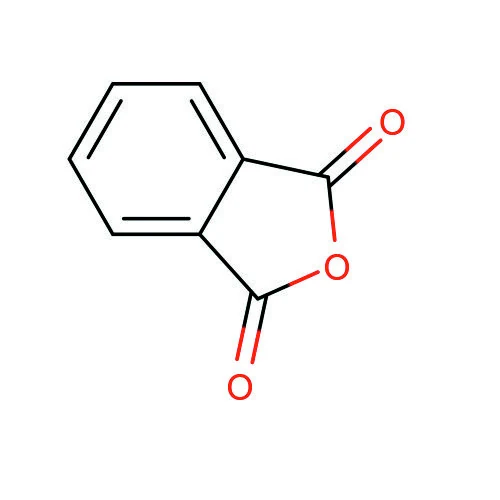
Phthalic Anhydride
CAS 85-44-9 · C8H4O3
Phthalic anhydride is the anhydride half of the phthalate plasticizer pair, supplied at 99.5% minimum purity with a crystallisation point of 130.0 °C...
View specification →Where This Product Fits
Request a Quotation for Dibromoneopentyl Glycol
Tell us the grade, the tonnage and the packing your site can unload. We reply within 24 hours with the current quality index.