
| Parameter | Wet Process (Ours) | Dry Process (Typical) |
|---|---|---|
| Fe2O3 achievable | 0.08-0.14% | 0.20-0.50% |
| Iron removal | Multi-stage HIWMS | Single-pass dry magnetic |
| Steel contamination | None (ceramic media) | Yes (steel mill wear) |
| Particle liberation | Complete (in slurry) | Incomplete (locked grains) |
| PSD control | Hydrocyclone (precise) | Air classifier (wider) |
| Batch consistency | Very high (±0.02%) | Variable (±0.05-0.10%) |
| Capital investment | High (40M+ CNY) | Lower |
| Operating cost | Higher | Lower |
| Black speck risk | Minimal | Significant |
The processing method — wet versus dry — is the single most important quality differentiator when comparing feldspar and nepheline suppliers. Two suppliers mining from geologically identical deposits can produce dramatically different products depending on how they process the ore. This page expands on our wet vs dry process article with specific comparison data relevant to your purchasing decision.
The 2-5x Iron Difference Explained
From the same ore body, wet processing consistently achieves Fe2O3 levels 2 to 5 times lower than dry processing. The reason is particle liberation: in dry grinding, iron-bearing mineral inclusions remain physically locked inside larger feldspar or nepheline grains. They pass through the magnetic separator undetected, becoming invisible Fe2O3 contamination in the final product that only reveals itself after firing. Wet grinding in water slurry breaks these host grains apart, liberating the iron minerals and exposing them to the magnetic field for capture. This fundamental physics difference cannot be overcome by better magnets or more passes in a dry system — the liberation step requires water.
Hidden Cost: Steel Contamination in Dry Processing
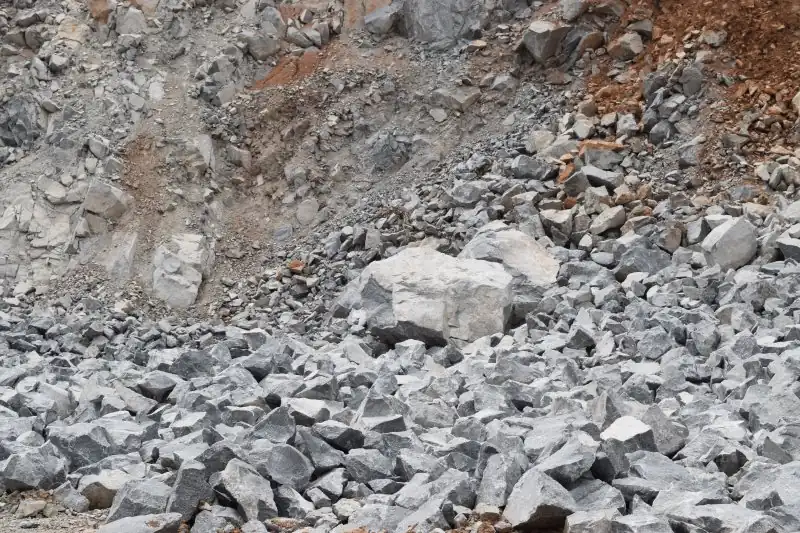
Dry grinding typically uses steel balls and steel mill liners that wear during operation, releasing metallic iron particles into the product. These particles create black speck defects in fired ceramics — individual dark spots that customers notice and reject. Wet processing can use ceramic grinding media, completely eliminating this contamination source. If your current supplier provides dry-processed material and you experience intermittent black speck problems, this is likely the cause. Our wet-processed product is virtually speck-free.
Total Cost of Ownership
Wet-processed material costs more per ton than dry-processed — our production requires 40M+ CNY in equipment investment and higher operating costs for water, energy, and maintenance. However, the total cost to your production is often lower with wet-processed material: fewer reject tiles from whiteness failures, fewer black speck defects, more consistent fired properties reducing quality control costs, and potential for lower firing temperature saving energy. For premium product manufacturers, the reject rate reduction alone typically offsets the raw material cost premium.