| Property | K100 Nepheline (Ours) | Standard Na-Feldspar | Standard K-Feldspar |
|---|---|---|---|
| Fe2O3 | 0.12% | 0.15-0.30% | 0.10-0.25% |
| Total Alkali | 14.18% | 10-12% | 11-14% |
| Al2O3 | 21.02% | 18-20% | 17-19% |
| Free silica | None | Present | Present |
| Mesh | 100 | 80-200 | 80-200 |
| Flux per ton | Highest | Medium | Medium-High |
| Price/ton (FOB) | Moderate | Lower | Moderate |
| Price/unit alkali | Lower | Higher | Similar |
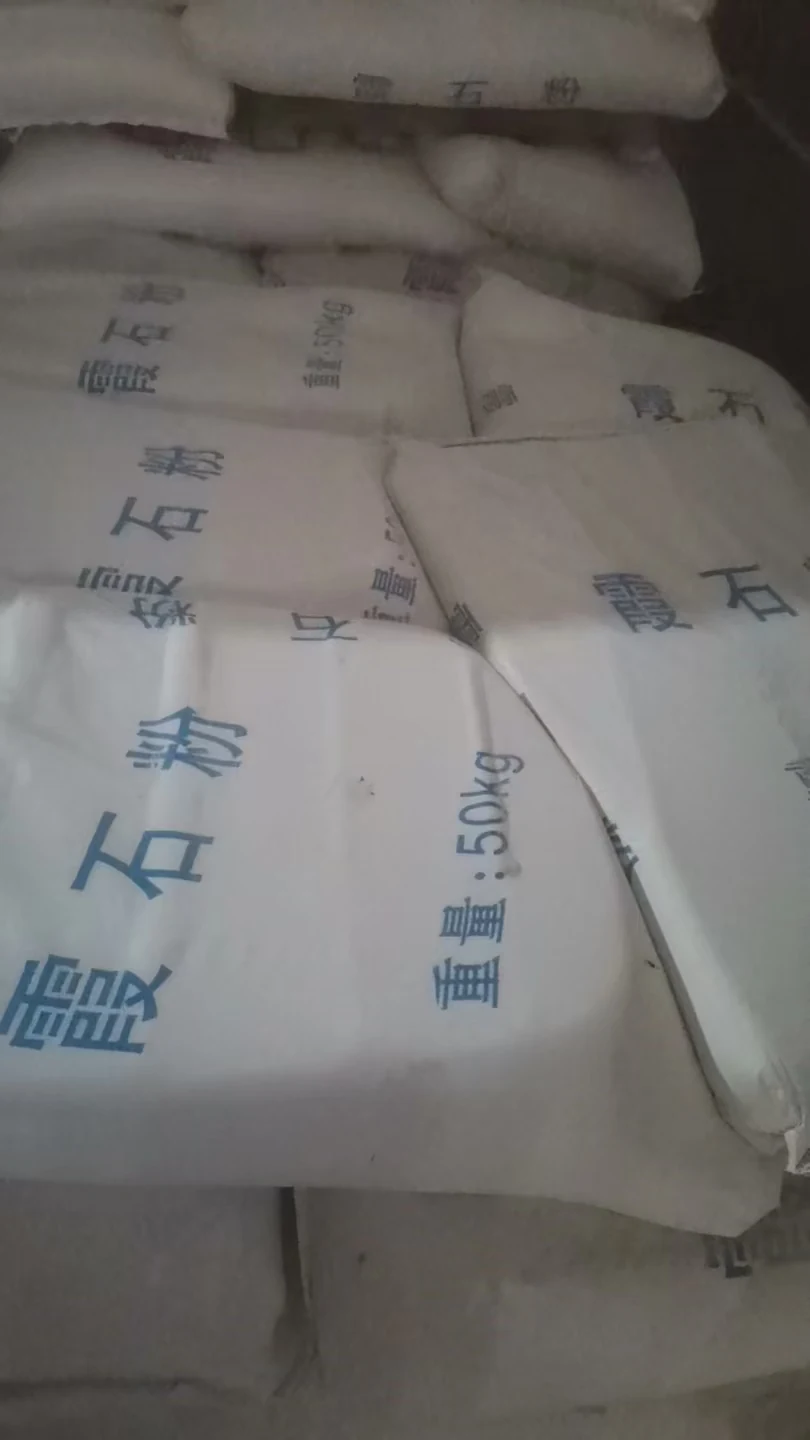
K100 is our highest-volume product and the grade most directly comparable to standard feldspar in the market. If you are currently using feldspar and considering a switch, this analysis compares the real economics — not just per-ton price, but cost per unit of useful oxide delivered to your ceramic body.
The Unit-Cost Calculation
K100 provides approximately 14.18% total alkali (K2O + Na2O) per ton. A typical Na-feldspar provides approximately 11% total alkali per ton. This means K100 delivers 29% more flux per ton than Na-feldspar. Even if K100 costs 10-15% more per ton than Na-feldspar, it still delivers more flux per dollar spent. And because you need less K100 by weight (use 82% of the feldspar weight — see our conversion guide ), the actual cost per batch is often lower with K100. Add the energy savings from 30-40 degree C lower firing temperature, and K100 typically wins the total cost comparison.
Quality Bonuses at No Extra Cost
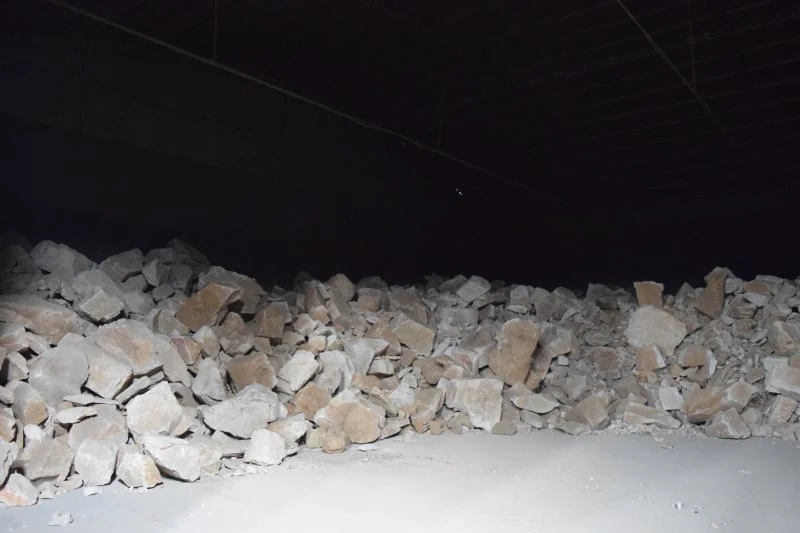
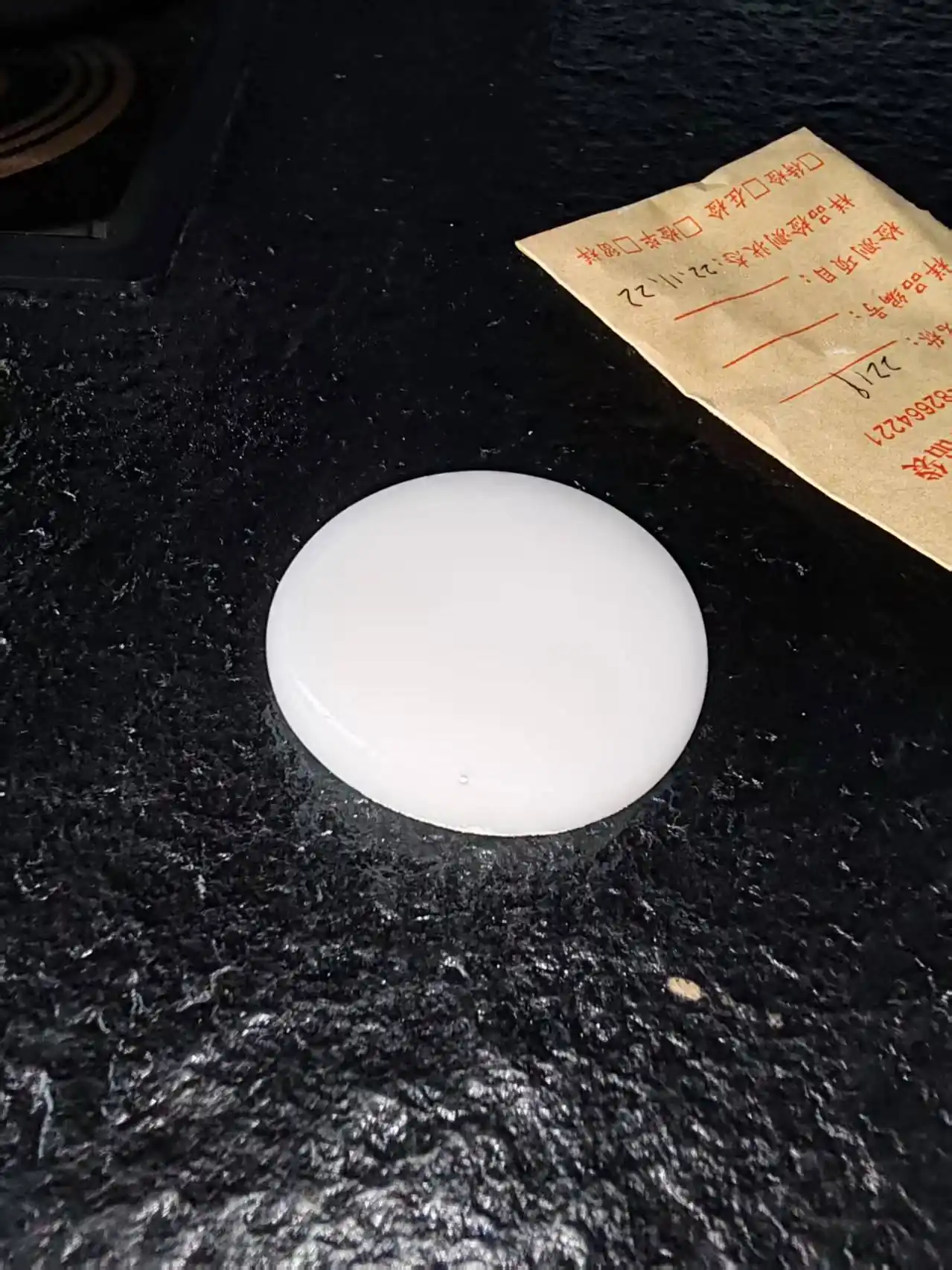
Switching from feldspar to K100 also delivers quality improvements that do not cost extra: Fe2O3 at 0.12% (whiter body than most feldspar); higher Al2O3 (stronger tiles — 10-20% higher MOR); no free silica (safer workplace); wider firing range (fewer rejects). These quality improvements often enable you to sell a higher-grade product or reduce your reject rate — both translate to revenue or savings that compound the cost advantage.