Mine-owned nepheline syenite and feldspar since 2007
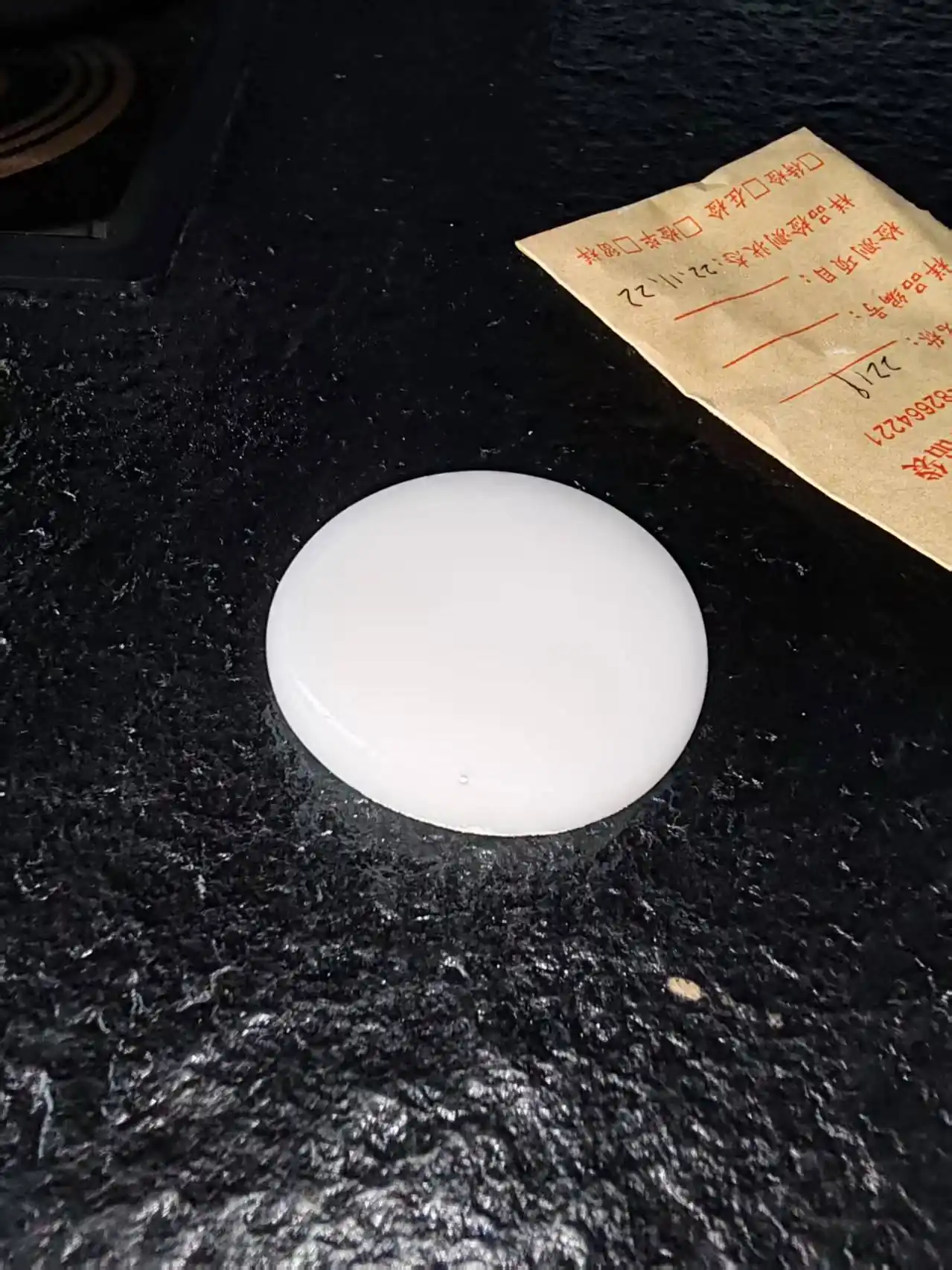
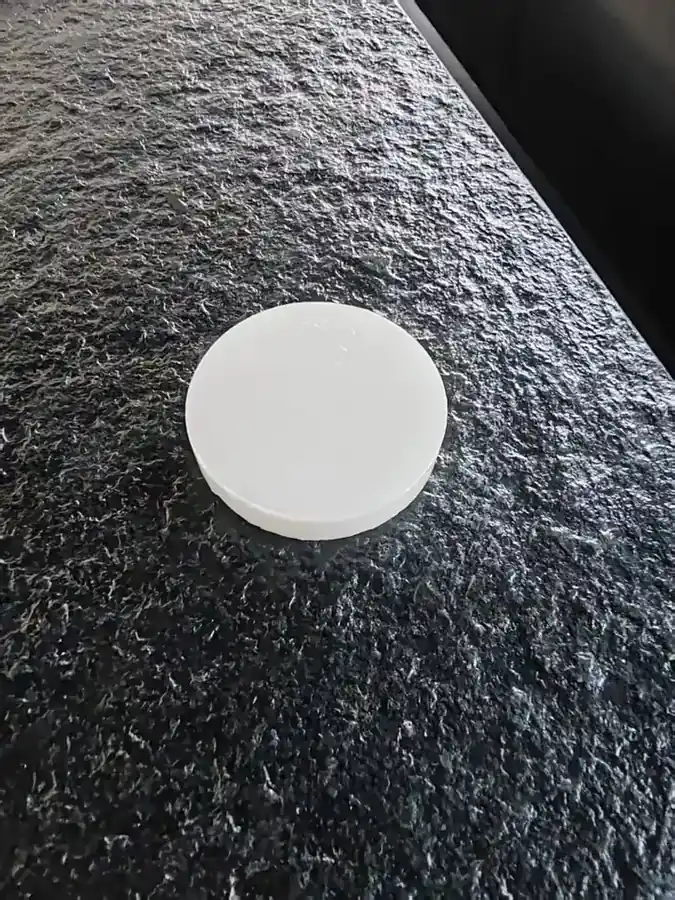
Fired whiteness disc pressed from potassium feldspar
Defect Troubleshooting

Pinholing in Ceramics: Flux-Related Causes and Solutions

How wrong flux selection or insufficient flux causes pinholes in ceramic glazes — diagnosis and correction guide.

Pinholes are small holes in the glaze surface where gas bubbles burst through the molten glaze but the glaze failed to flow back and heal the opening before solidifying.

Understanding This Defect

Flux-related causes include: insufficient flux in the glaze (the glaze is too viscous to heal bubble holes — increase nepheline or feldspar content by 3-5%); too rapid firing in the peak temperature zone (the glaze does not have time to mature and degas — extend soak time or reduce peak temperature); and gas generation from body raw materials that continues after the glaze has sealed (use nepheline to lower the vitrification onset temperature so body gas release completes earlier while the glaze is still permeable). Our K200 at 200-mesh has faster dissolution kinetics than 100-mesh grades, promoting earlier and more complete glaze maturation that heals pinholes. For body-originated pinholes, increasing nepheline content by 3-5% accelerates body vitrification, completing gas release before the glaze seals the surface..

Solution & Prevention
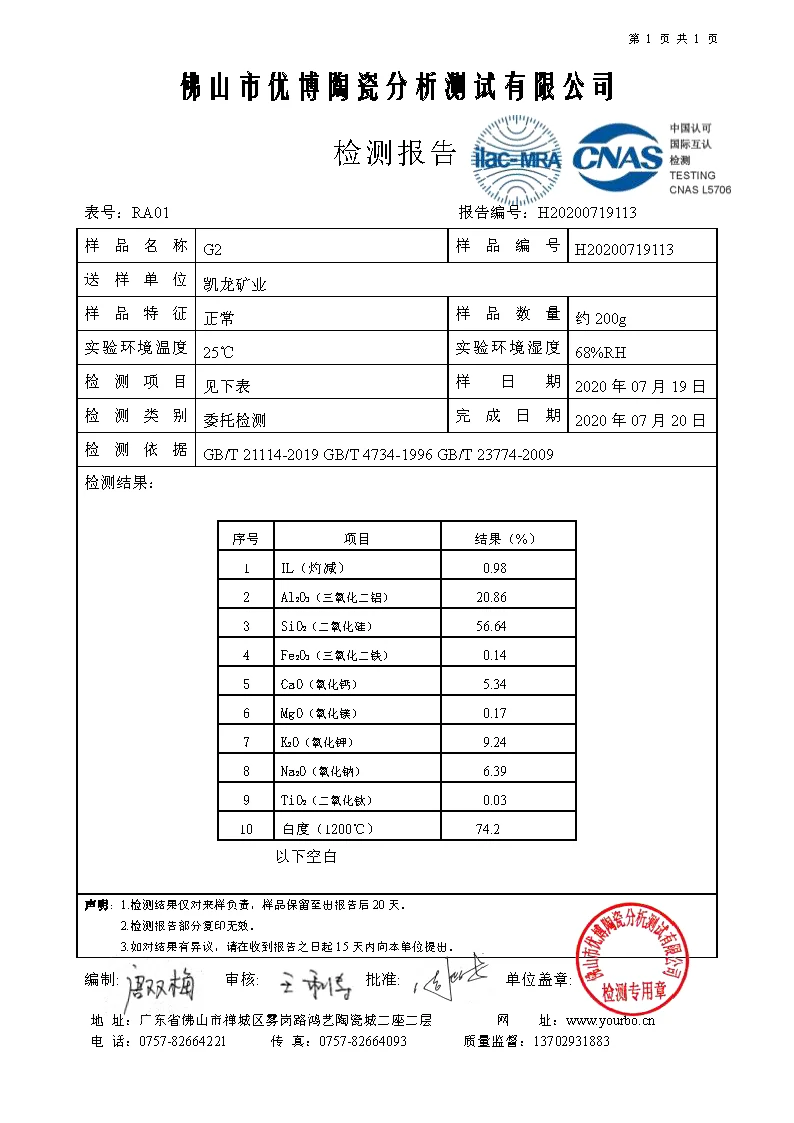
Third-party laboratory analysis report for GP20
FAQ

Questions on This Topic

What does Pinholing in Ceramics: Flux-Related Causes and Solutions cover?

Pinholes are small holes in the glaze surface where gas bubbles burst through the molten glaze but the glaze failed to flow back and heal the opening before solidifying.

Which ports do you ship from?

FOB Tianjin, Qingdao or Lianyungang, all within 6-8 hours by truck from the plant. CIF to your destination port is also quoted on request.

Can I get samples before ordering?

Yes. We ship 1-5 kg of each grade by DHL or FedEx at our expense. Samples reach most international destinations in 5-7 days and each one includes a Certificate of Analysis.

How is the material packed?

1200 kg FIBC jumbo bags as standard, or 50 kg PP woven bags. Bags carry product name, grade, batch number and weight. Custom packaging and private labelling are available.

Take It From Reading to Testing

Send your current specification and the problem you are chasing. Samples follow within a week.