
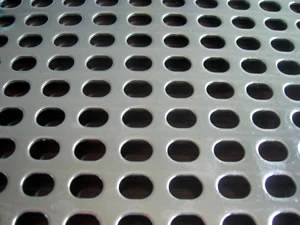
Perforated Metal
Hole size, pitch, open area and the thicknesses each pattern can be punched in - all published.
Architectural mesh supplied to the project, not from a fixed size list.
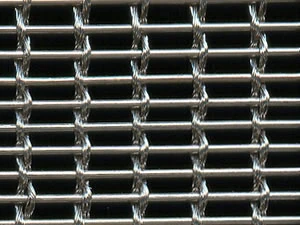
Decorative mesh is metal mesh chosen for how it looks as much as for what it does - facade cladding, interior screens, ceiling panels and partitions.
Anwang lists it as a product line and supplies it against project photographs and drawings rather than from a fixed size table.
Because the original catalogue published images but no specification table, every dimension on a decorative order is confirmed in writing before production.
Architectural mesh is usually specified from a photograph. Without a drawing and a sample, what arrives rarely matches the visual.
Pattern scale that looks right on a sample board disappears at facade distance.
Panel edges and fixings are what make an architectural mesh job look finished or unfinished.
A decorative panel still has to survive its environment - coastal facades need a different finish from an interior screen.
Every photograph below is from our own product record.
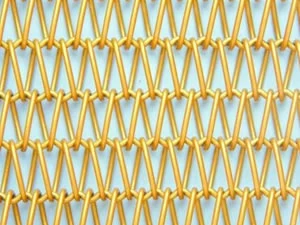
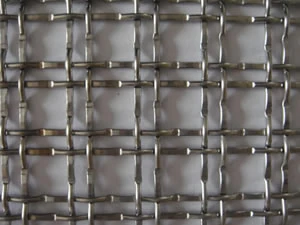
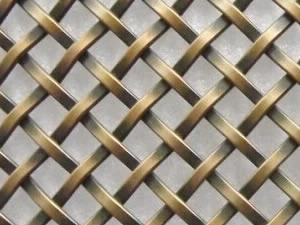
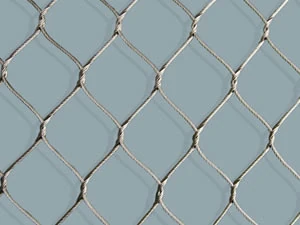
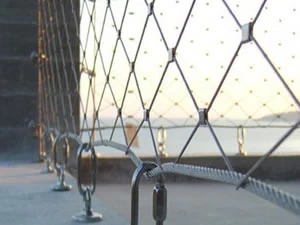
Figures published here are the ones printed in our own product record. Anything we have never published is marked TBC and confirmed in writing before you order.
The original catalogue published decorative mesh as a gallery without a material table, so nothing is quoted here that cannot be evidenced. Material, finish and panel size are agreed per project and written into the order confirmation before production starts.
On decorative orders the agreed sample is the reference standard. Panels are checked against it for pattern, finish and dimension before crating. Anything the catalogue does not state is confirmed in writing rather than assumed.
You send the photograph, drawing or sample that defines the look.
We identify the closest pattern from the woven, welded, expanded and perforated families.
A physical sample is produced and agreed.
Panels are made to the agreed drawing and finish.
Panels are edge-protected and crated for facade or interior delivery.
| Product | Where It Fits |
|---|---|
| Decorative mesh | Chosen for appearance; made to the project drawing |
| Perforated metal | Standard hole patterns; specified from a table |
| Expanded metal mesh | Eighteen published specifications; structural as well as visual |
Hole size, pitch, open area and the thicknesses each pattern can be punched in - all published.
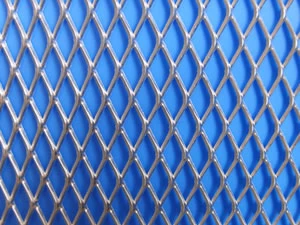
One sheet slit and stretched into mesh - no wire, no welds, nothing to unravel.
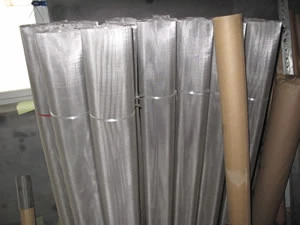
Forty-eight woven specifications with open area and weight published for every one of them.
Answers taken from our own product record. Where a figure has never been published, we say so instead of guessing.
The original catalogue published decorative mesh as images without a size table, so specifications are confirmed per project. Send your drawing or reference photograph and we will match a pattern and quote against it.
Usually. Anwang weaves, welds, expands and perforates in the same plant, so the pattern can be matched from a photograph in most cases.
Yes. On decorative orders the agreed sample is the reference standard for the finished panels.
Confirmed per project. Tell us the exposure - interior, external facade, coastal - and we will advise the material and finish.
Yes, panels are made to the drawing rather than cut down from stock sizes.
Not published on the original catalogue. It is confirmed with the sample approval, because it depends on the pattern and panel count.
Give us the specification, the quantity and the destination port. We reply with price, packing and the full specification written out.