
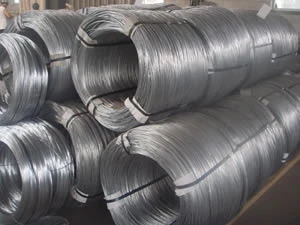
Galvanized Iron Wire
Two galvanizing routes, two gauge ranges, and a zinc coating figure you can actually specify against.
One gauge number, three different diameters. This is where most wire ordering errors are made.
A 14# wire is 2.03 mm under the Standard Wire Gauge and 2.11 mm under the Birmingham Wire Gauge. On a purchase order those look like the same wire. On a weaving loom, or in a mesh with a published aperture tolerance, they are not.
The full table published on the galvanized iron wire page covers 8# to 22# in SWG, BWG and metric millimetres. It applies to galvanized wire, steel wire and annealed wire alike. Some gauges - 9# and 14# among them - have no standard metric equivalent listed at all, which is itself worth knowing before you write a metric diameter on an order.
Mesh specifications are quoted in gauge bands. Welded wire mesh 1/2 inch is supplied in BWG 22 to BWG 16, which is 0.71 to 1.65 mm. Hexagonal netting quotes BWG 16 to BWG 27 depending on mesh size. Insect screen quotes BWG31 and BWG32 for metal screens and SWG34 to SWG38 for stainless. Mixing the systems inside one order is how a mesh arrives at the wrong weight.
Most mesh apertures are supplied across a band of gauges rather than at one fixed wire. Choosing the heavy end of the band buys durability; the light end buys price. Both are correct answers to different questions.
The gauge number, the gauge system, and the millimetre equivalent you expect. Three pieces of information, and a mill cannot misread them.
Measure the wire with a micrometre against the millimetre figure you specified. It takes a minute and it is the only check that catches a gauge-system error before the mesh is installed.
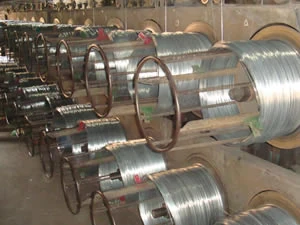
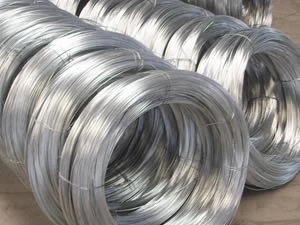
Two galvanizing routes, two gauge ranges, and a zinc coating figure you can actually specify against.
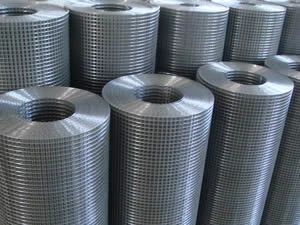
Nine export mesh sizes with the wire gauge band published against each one.
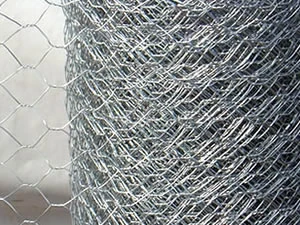
Eleven mesh sizes with the minimum zinc coating and the tolerance standard published against each one.
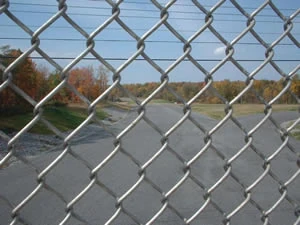
Diamond mesh that follows the ground instead of fighting it, in eight openings and five wire materials.
2.03 mm in SWG, 2.11 mm in BWG. There is no standard metric equivalent listed for 14#.
8# to 22# in SWG, BWG and metric, applicable to galvanized, steel and annealed wire.
Because most apertures are woven or welded across a band of wire diameters. The heavy end lasts longer, the light end costs less.
Tell us the application rather than the part number. We will work back to the specification with you.