
What Do IPS and EIPS Refer to in Wire Rope?
IPS and EIPS are wire rope classifications defined by the strength and manufacturing process of the steel wire used. This guide explains what each term means, how they differ in performance, and where each is typically applied in lifting and rigging work.
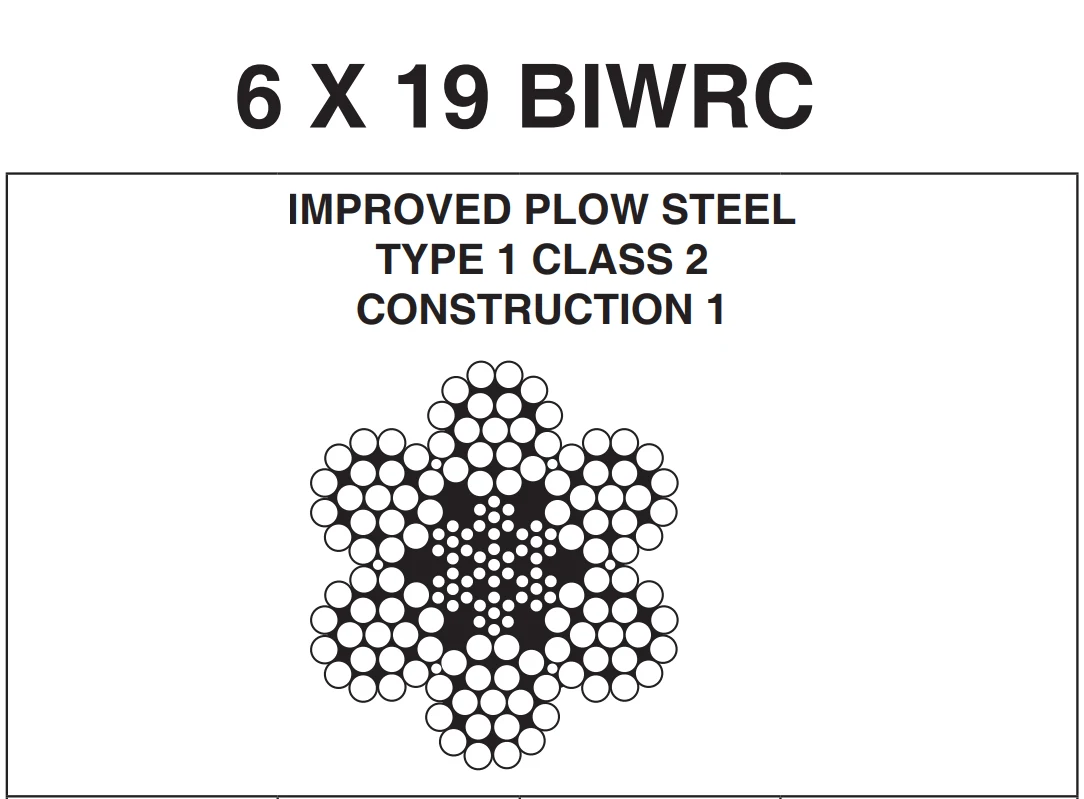
What IPS Means in Wire Rope
IPS stands for Improved Plowed Steel, a classification for wire rope made from steel that has undergone a plowing process before strand formation. This process enhances the wire's surface integrity and mechanical properties compared to standard steel, resulting in a stronger and more consistent product. IPS wire ropes are used in general lifting and rigging tasks where moderate strength and durability are required. They are not the highest strength option but offer a balance of cost and performance for non-critical applications.
What EIPS Means in Wire Rope
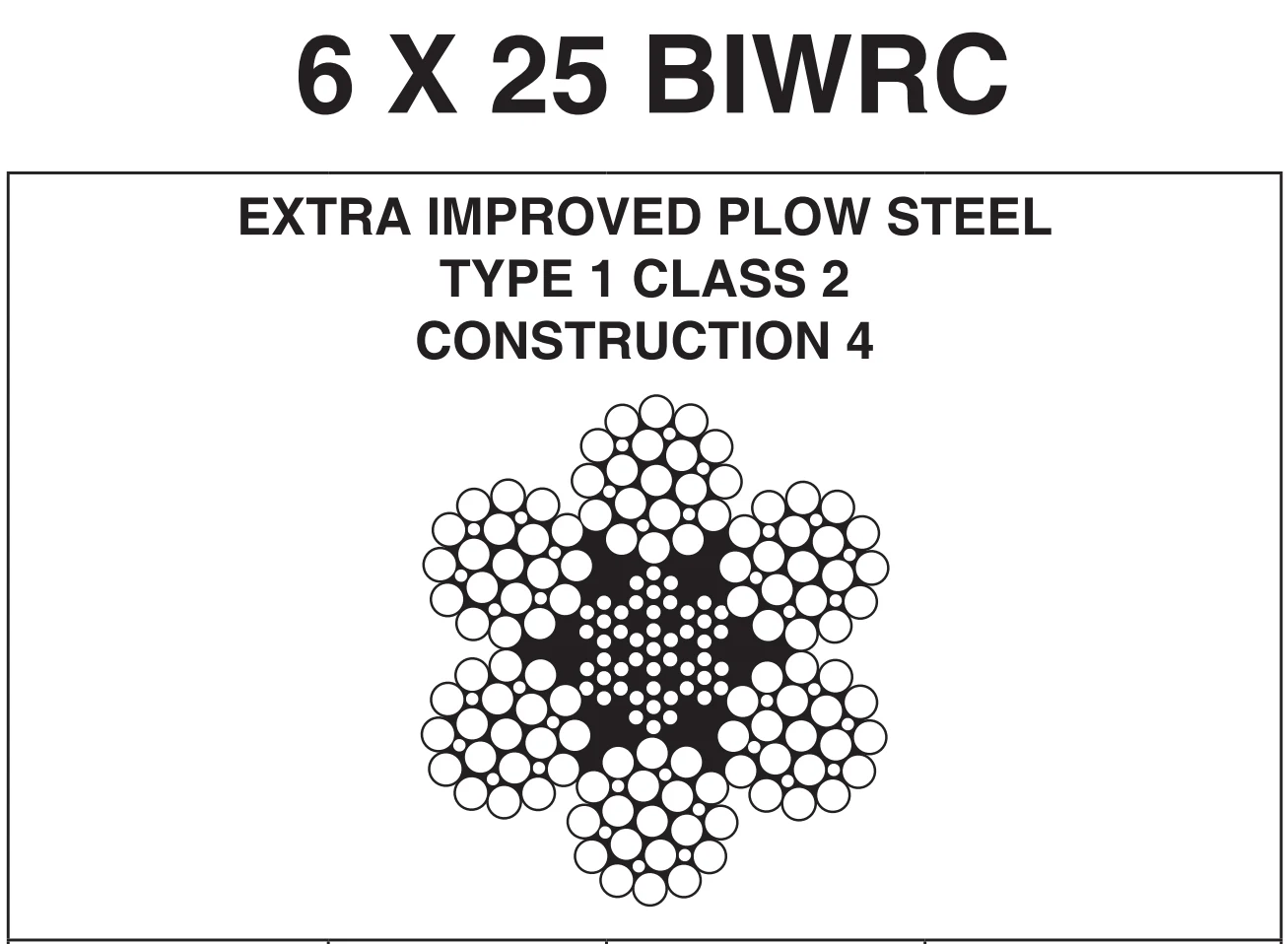
EIPS stands for Extra Improved Plowed Steel, a higher-grade classification than IPS. The steel used in EIPS ropes undergoes a more rigorous plowing process, which refines the grain structure and increases tensile strength. This results in higher breaking strength and improved resistance to fatigue under repeated loading. EIPS ropes are designed for demanding environments such as mining, heavy construction, and offshore lifting, where reliability and long service life are critical.
Steel Cable Fasteners Wire Rope Clamp &Thimble & Sleeve Set- Customizable Packaging
Key Differences Between IPS and EIPS
The primary difference lies in the strength and manufacturing intensity. EIPS ropes are made from higher-strength steel and processed through a more advanced plowing method, giving them superior breaking strength and fatigue resistance compared to IPS. IPS is suitable for general-purpose rigging, while EIPS is reserved for heavy-duty, high-stress applications. The choice between them depends on the load, duty cycle, and environmental conditions of the lifting task.
Steel Cable Fasteners Wire Rope Clamp &Thimble & Sleeve Set- Customizable Packaging
Typical Applications for Each Grade
IPS wire ropes are commonly used in light to medium-duty lifting, such as securing cargo on flatbed trailers, general construction hoisting, and equipment handling. EIPS ropes are specified in applications requiring higher safety margins, including crane operations in mining, offshore platforms, and heavy structural lifting. When selecting, match the rope grade to the working load limit and expected service life of the equipment.
Wire Rope Clamp And Thimble Set Customizable Packaging
How to Identify IPS and EIPS in the Field
The grade is not visible on the rope surface alone. Look for the manufacturer's marking on the rope or in the accompanying documentation. The grade is typically stamped or printed on the rope's outer layer or included in the test certificate. If the rope is part of a certified assembly, the grade will be listed in the material test certificate and traceability marking. Always verify the grade before use, especially in safety-critical applications.
Wire Rope Clamp And Thimble Set Customizable Packaging
Why the Plowing Process Matters
The plowing process involves drawing the steel wire through a die under high pressure, which compresses the surface and refines the grain structure. This increases the wire's strength and reduces surface defects that could lead to early fatigue failure. The extra step in EIPS ensures a more uniform and durable product, especially under cyclic loading. This process is not optional-it is a key part of the manufacturing standard for both IPS and EIPS ropes.
Wire Rope Clamp And Thimble Set Customizable Packaging
How to Specify the Right Grade for Your Application
When sourcing wire rope, specify the required grade-IPS or EIPS-based on the working load limit, expected number of cycles, and environmental exposure. For example, use IPS for routine site lifting with infrequent use, and EIPS for continuous operation or high-stress environments. Always confirm the grade with the supplier and request a Material Test Certificate for the batch to verify the strength and compliance.
Fist Grip Clamp G-429 US Type Drop Forged Wire Rope Termination
What to Ask a Supplier Before Ordering
Ask whether the rope is IPS or EIPS and confirm the tensile strength and breaking load. Request the Material Test Certificate to verify the grade and batch. Ask if the rope is marked with the grade and WLL. Confirm whether the rope is supplied with a certificate of conformity and if third-party inspection is available. For critical lifts, ensure the rope is proof tested and traceable to a documented batch.
Fist Grip Clamp G-429 US Type Drop Forged Wire Rope Termination
Ordering note. IPS is Improved Plowed Steel, suitable for general lifting and rigging tasks with moderate strength requirements EIPS is Extra Improved Plowed Steel, offering higher breaking strength and better fatigue resistance than IPS The plowing process improves wire surface integrity and mechanical properties in both grades EIPS is used in heavy-duty applications such as mining, construction, and offshore l