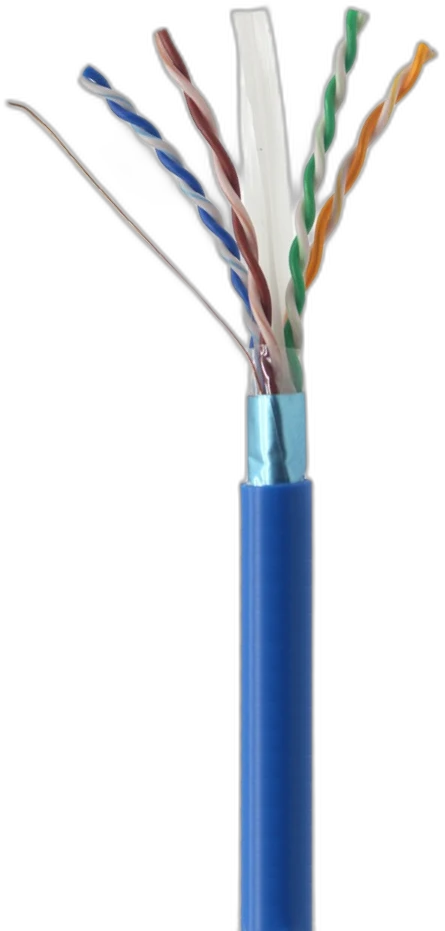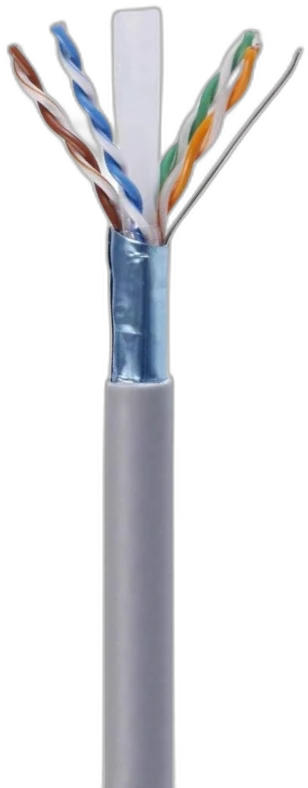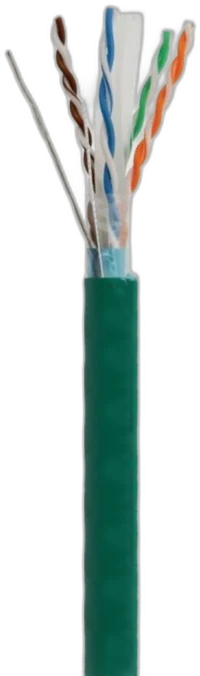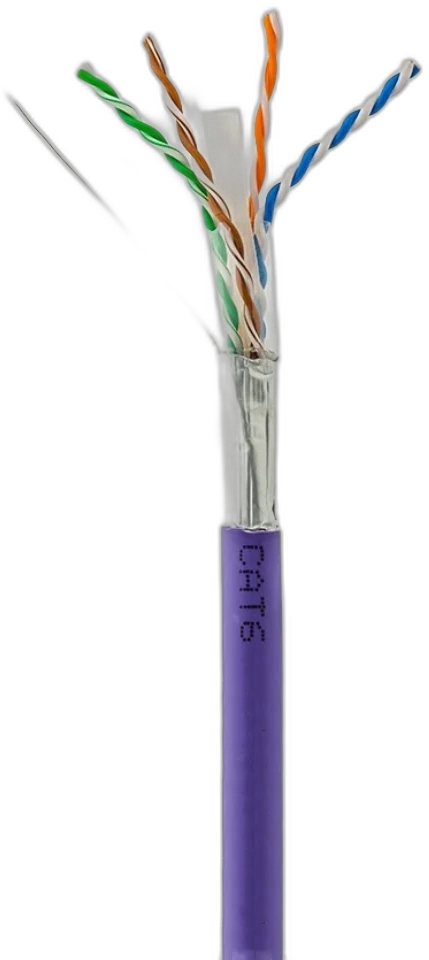
The Three Materials
| Jacket | Strength | Limitation | Typical use |
|---|---|---|---|
| PVC | Low cost, flexible, easy to strip | Emits dense smoke and halogens when burnt; poor UV life | General indoor containment |
| LSZH | Low smoke, halogen free when burnt | Stiffer, more expensive, less abrasion tolerant | Occupied buildings, escape routes, transport |
| PE | UV and moisture resistant, tough | Stiff in cold weather, not for indoor fire-rated routes | Outdoor duct, aerial, direct-buried routes |
Why LSZH Exists
In a fire, most casualties are caused by smoke rather than flame. PVC produces dense black smoke and hydrogen chloride when it burns, which obscures escape routes and damages equipment far from the fire.
LSZH is specified where people have to get out through the space the cable is in: escape corridors, stairwells, underground stations, hospitals, ships. It is not a general-purpose upgrade — it is a life safety decision.
Why PVC Fails Outdoors
PVC relies on plasticisers to stay flexible. Sustained UV drives them out, and the jacket chalks, goes brittle and eventually splits. Once water tracks into the core, the cable is finished.
PE has inherent UV and moisture resistance, which is why every outdoor specification in our range uses it. A PVC cable on a roof run is a cherry-picker job waiting to happen.
Practical Selection
- Indoor containment, no specific fire requirement — PVC
- Occupied buildings, escape routes, public transport — LSZH
- Anything leaving the building envelope — PE
- Direct burial or duct — PE, and check whether armour is also required
Applying this to a live project? Send the specification and we will tell you how it lands for your case — pvc lszh and pe cable jackets compared is exactly the kind of question we answer whether or not there is an order attached.