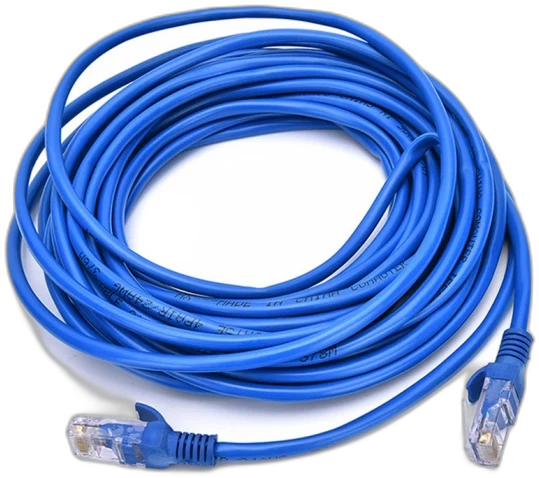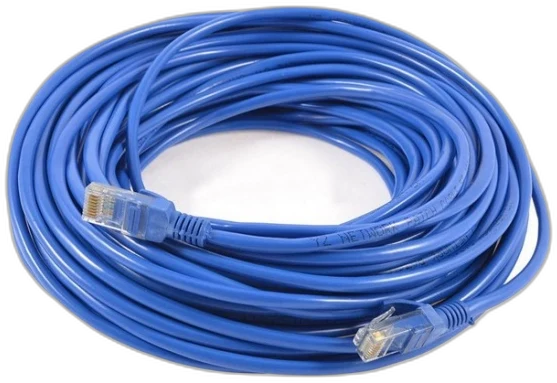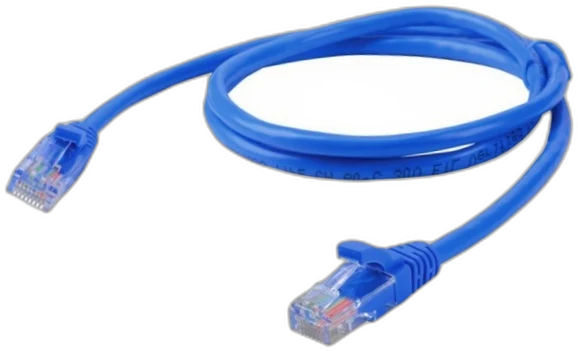

Why Field-Made Cords Fail
A plug terminated on site is done by hand, in a rack, often at the end of a long day. The untwist length behind the contact block is guessed, the conductors are seated by feel, and the strain relief is whatever the plug design provides.
None of that is a criticism of the installer. It is a criticism of doing precision assembly work in a comms room instead of on a bench with a tester.
What Factory Assembly Adds
- Controlled untwist length behind the contact block
- Consistent conductor seating and crimp depth
- Moulded strain relief rather than a snap-on boot
- Fluke DSX channel certification of every lot
The Cost Comparison People Get Wrong
Comparing the price of a plug against the price of a cord ignores the labour and the failure rate. A field-made cord costs the plug, the cable, ten minutes of skilled time, and a probability of a return visit.
For a 48-port patch field, buying the cords is cheaper before you count the first fault call.
When Field Termination Still Makes Sense
- A one-off replacement where waiting for a delivery is not an option
- A non-standard length that is not worth a production run
- Temporary installations that will be re-worked anyway
- Permanent link terminations at the panel and outlet, which are always field work
Applying this to a live project? Send the specification and we will tell you how it lands for your case — factory patch cords vs field termination is exactly the kind of question we answer whether or not there is an order attached.