
Markets
Thermoelectric Cooling For Life Science And Medical Devices
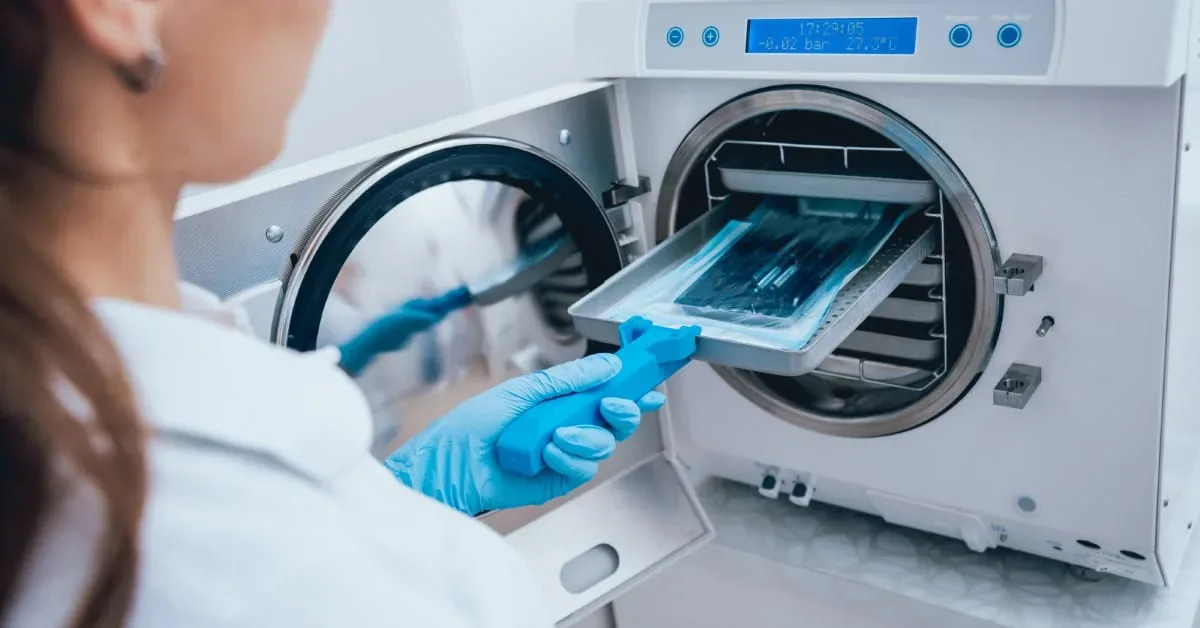
Diagnostics and laboratory instruments do not just need cooling, they need a temperature held to a tolerance, repeatably, for years, without vibrating the optics.
Industry Pain Points
What Makes Medical And Laboratory Cooling Hard
- The requirement is a held temperature with a tolerance, not simply a lower temperature
- Thermal cycling for DNA and blood analysis demands fast, repeatable ramps in both directions
- Vibration from a compressor or a pump corrupts optical and mechanical measurements
- Instruments are validated once and must then behave identically for years
- Condensation on cold surfaces damages optics and electronics inside the instrument
- Space inside a benchtop analyser is tight and the cooled element is often small
Customer Requirements
What Instrument Designers Ask Us For
Held, Not Just Reached
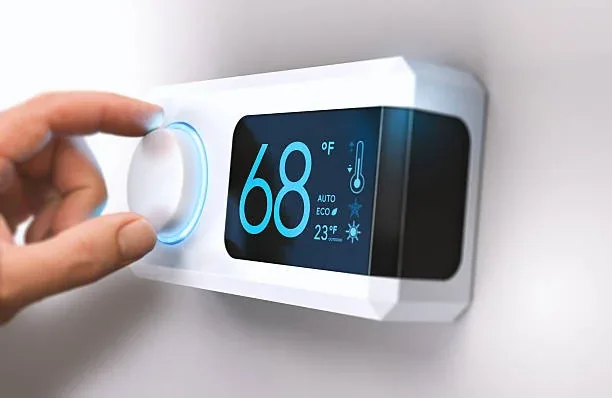
Proportional control with a thermistor in the loop, so the set point holds against ambient drift.
Bidirectional Ramps
The same module heats and cools, which is what makes thermal cycling possible in one device.
Batch To Batch Consistency
Every module is tested, and material is graded in house, so a validated instrument keeps behaving the same way.
Suitable Products
What We Would Put In Front Of You First
TEC Standard Peltier Modules
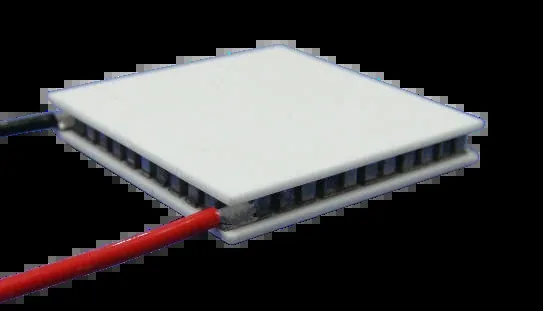
158 codes, 10×10 to 80×120 mm, Qmax 1.6 to 480 W.
Learn more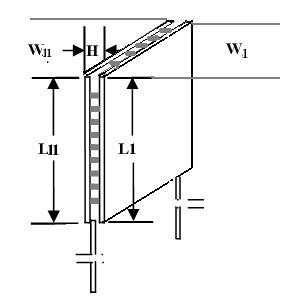
TES Micro Thermoelectric Modules
90 codes on sub millimetre pellets, footprints from 1.8×3.4 mm.
Learn more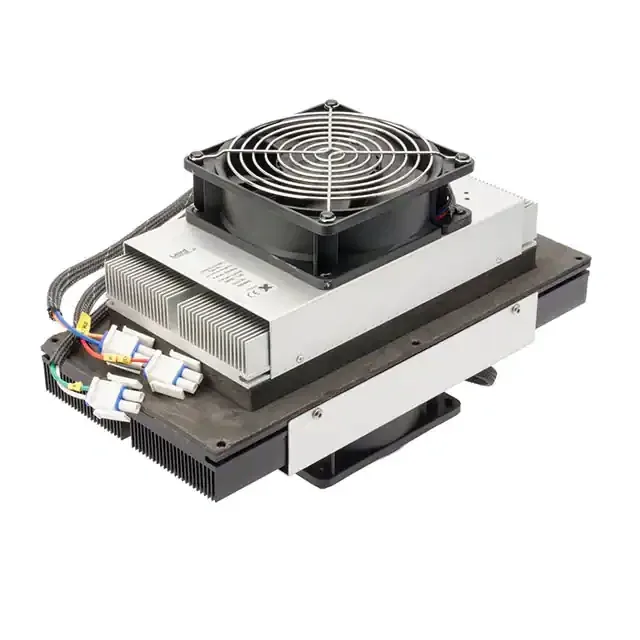
Thermal Management Assemblies
Air to air, air to liquid, liquid to liquid and plate to plate.
Learn moreTypical Application Scenarios
Instruments Our Modules Are Used In
Thermal Cycling Devices
DNA and blood analysers where the block has to ramp up and down repeatedly. Polarity reversal makes one module do both halves of the cycle.
Electrophoresis Cell Coolers
Holding a gel or a cell at a fixed temperature during a long run, with no vibration to disturb the separation.
Sample And Reagent Storage
Small cooled compartments and tissue preparation and storage stages inside benchtop instruments.
Photomultiplier And Detector Cooling
Micro modules cooling detectors and photomultiplier tube housings to reduce dark current, using the TES series.
Osmometers And Dew Point Instruments
Applications where a deep, stable cold point is the measurement itself rather than a support function.
Constant Temperature Baths
Laboratory baths and thermostat calibrating baths held at a set point without a compressor cycling in the background.
Solution Process
How A Project In This Market Usually Runs
Delivery Capability
What We Can Commit To
Figures below are our own plant data, not industry averages.
Related Guides
Reading That Helps On This Kind Of Project
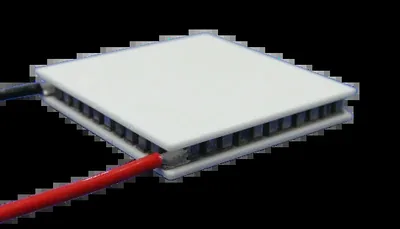
How To Select A Peltier Module
From heat load and delta-T to a shortlist of part numbers.
Learn more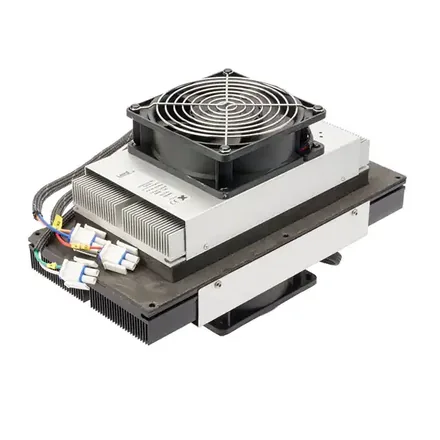
Peltier Module Installation Guide
Flatness, force, interface material and sealing.
Learn more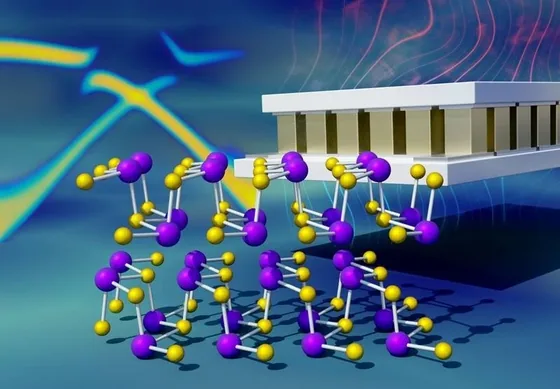
What Is A Thermoelectric Module
Peltier and Seebeck effects explained without the hand waving.
Learn moreFAQ
Frequently Asked Questions About Life Science And Medical
How tightly can a thermoelectric loop hold a temperature?
The module supplies heat pumping, the controller supplies stability. With a well placed thermistor and proportional control, instrument designers routinely hold set points far tighter than the module alone would suggest. The limits are usually sensor placement and thermal mass, not the module.
Can the same module do a full thermal cycle?
Yes. Reversing polarity turns cooling into heating, which is how thermal cycling devices for DNA and blood analysers are built. Specify reversal at the design stage so the controller supports it.
How do I stop condensation inside the instrument?
Three options: hold the set point above the local dew point, seal the cold volume, or purge it with dry gas. Our modules are silicone gel sealed as standard, which protects the module, but the surrounding assembly still needs a plan.
Will the modules behave the same in five years of supply?
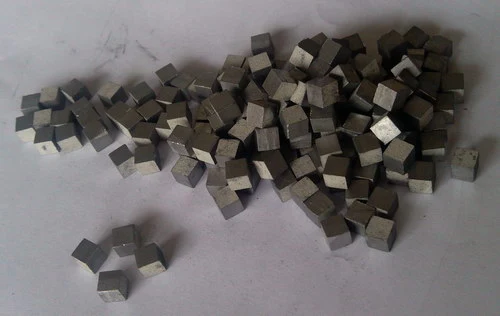
We grow, cut and grade our own Bi2Te3 material and test 100 % of modules, which is what keeps a validated instrument reproducible. Tell us at the outset that the design is validated and we will flag any process change.
Do you supply small modules for detectors?
Yes. The TES micro series goes down to a 1.8×3.4 mm cold face and includes round modules with an inner diameter for optical paths.
Specify A Module For Your Instrument
Send the set point, the tolerance, the load and the space. We will suggest the module and, just as importantly, tell you what the control loop has to do.
No forms. Messages reach our engineering desk directly. Reply within 24 hours, Monday to Friday, 9:00 to 17:00 Beijing time.