
Markets
Thermoelectric Cooling For Industrial Equipment
Industrial environments punish equipment: dust, humidity, vibration, wide ambient swings and no tolerance for downtime. Sealed thermoelectric cooling is built for exactly that.
Industry Pain Points
What Industrial Environments Do To Equipment
- Filtered fans clog with dust and require service visits that cost more than the fan
- Humid or corrosive air reaches electronics through any ventilation opening
- Ambient temperature swings across a shift and across the seasons
- Vibration destroys anything with rotating machinery mounted on the equipment
- Cabinets get mounted in whatever orientation the plant allows
- Downtime is expensive, so maintenance intervals matter more than peak efficiency
Customer Requirements
What Industrial Engineers Ask Us For
Sealed Cooling
Air to air assemblies keep internal and external air completely separate, so dust and moisture never reach the electronics.
Cooling And Heating
The same unit warms an enclosure for a cold start and cools it in summer by reversing polarity.
Precise Process Control
Where the equipment is a measurement rather than an enclosure, proportional control holds the process temperature.
Suitable Products
What We Would Put In Front Of You First
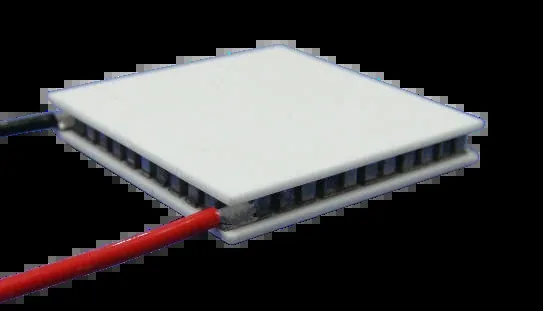
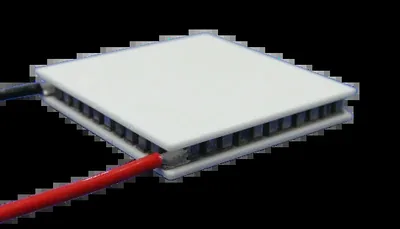
TEC Standard Peltier Modules
158 codes, 10×10 to 80×120 mm, Qmax 1.6 to 480 W.
Learn more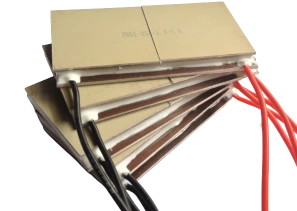
TEA Aluminium Substrate Modules
122 W/(m·K) substrate, 30 to 50 % more efficient, breakage free.
Learn more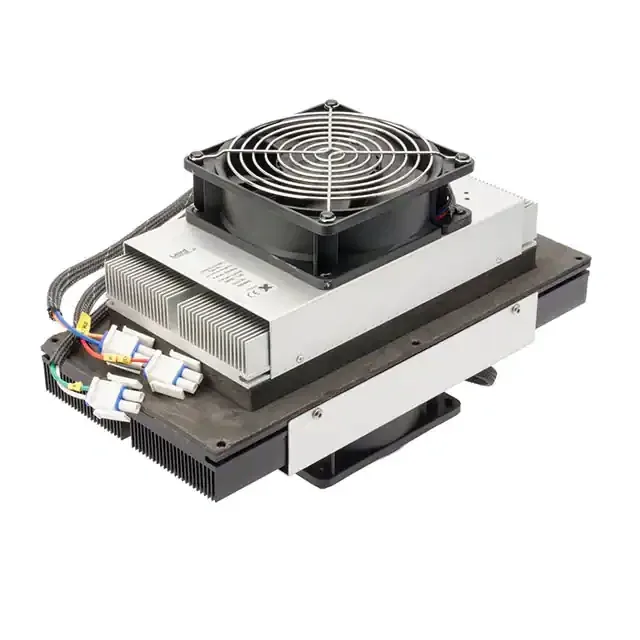
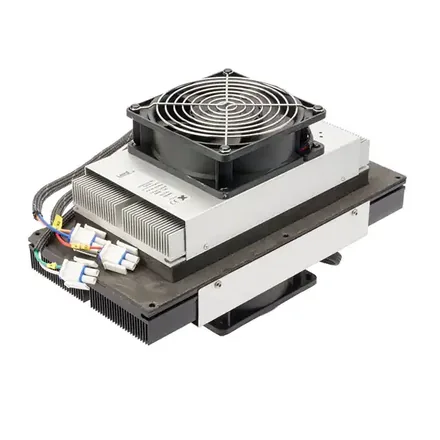
Thermal Management Assemblies
Air to air, air to liquid, liquid to liquid and plate to plate.
Learn moreTypical Application Scenarios
Industrial Applications
Control Panel And Cabinet Cooling
Sealed air to air assemblies cooling electronics in dusty, humid or corrosive plants where a filtered fan would clog.
Laser Diode Cooling
Holding emitter temperature and wavelength stable in industrial laser systems, using TEC or TES modules with a controller.
Semiconductor Wafer Probes
Temperature controlled stages for wafer thermal characterization and probe stations.
Dew Point Hygrometers
Instruments where a controlled cold surface is the measuring principle, needing a deep and stable cold point.
Compact Heat Exchangers And Immersion Coolers
Small conditioning units built around modules where a chiller would be oversized.
Environmental Analysers And Calorimeters
Process instruments that need a stable reference temperature regardless of plant conditions.
Solution Process
How A Project In This Market Usually Runs
Delivery Capability
What We Can Commit To
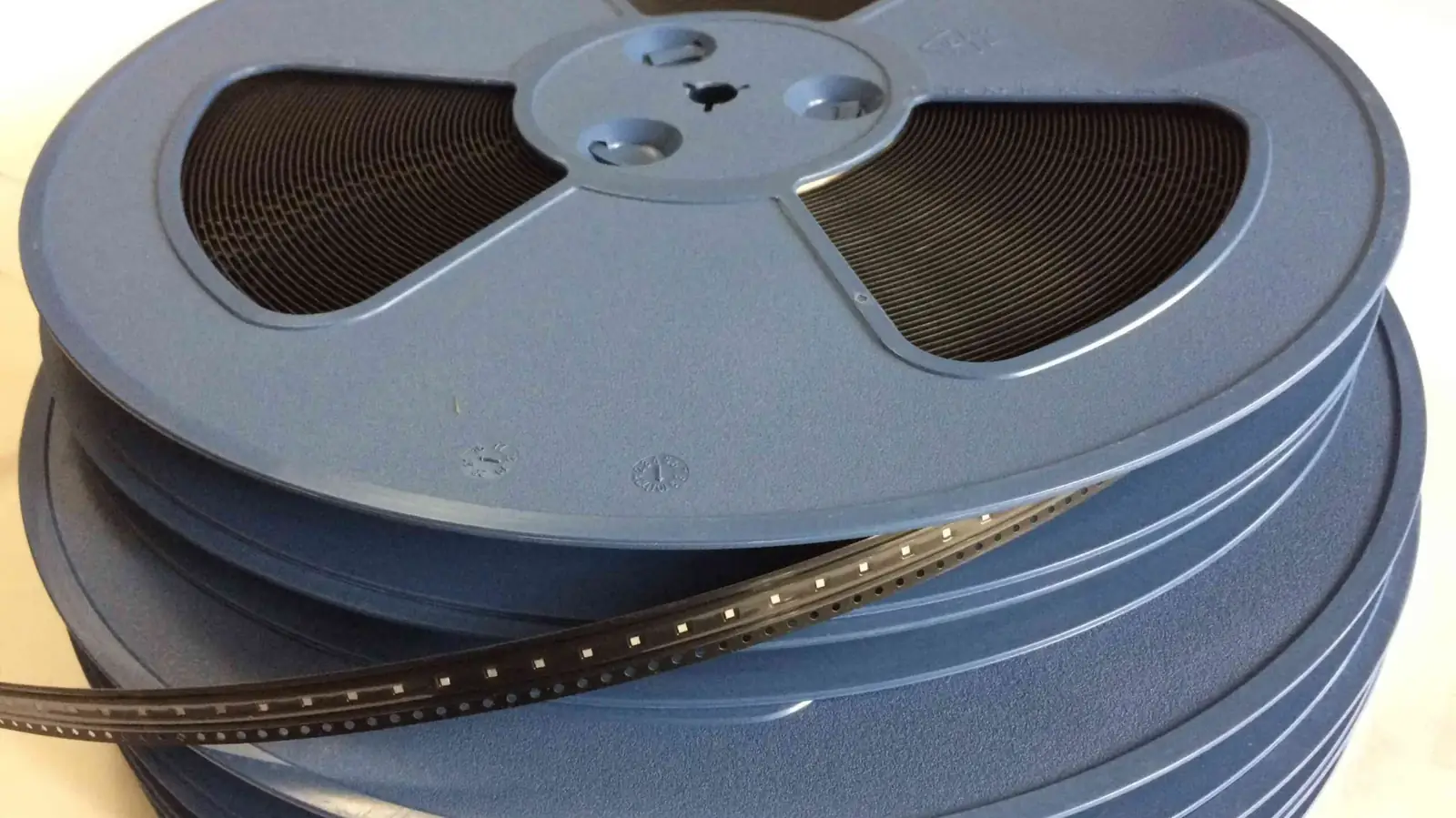
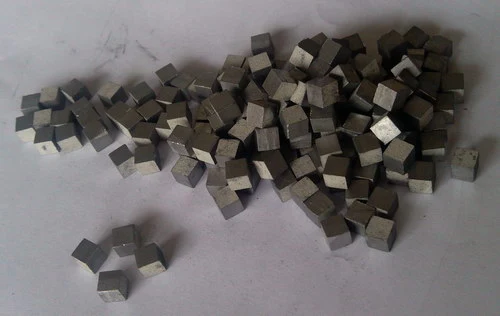
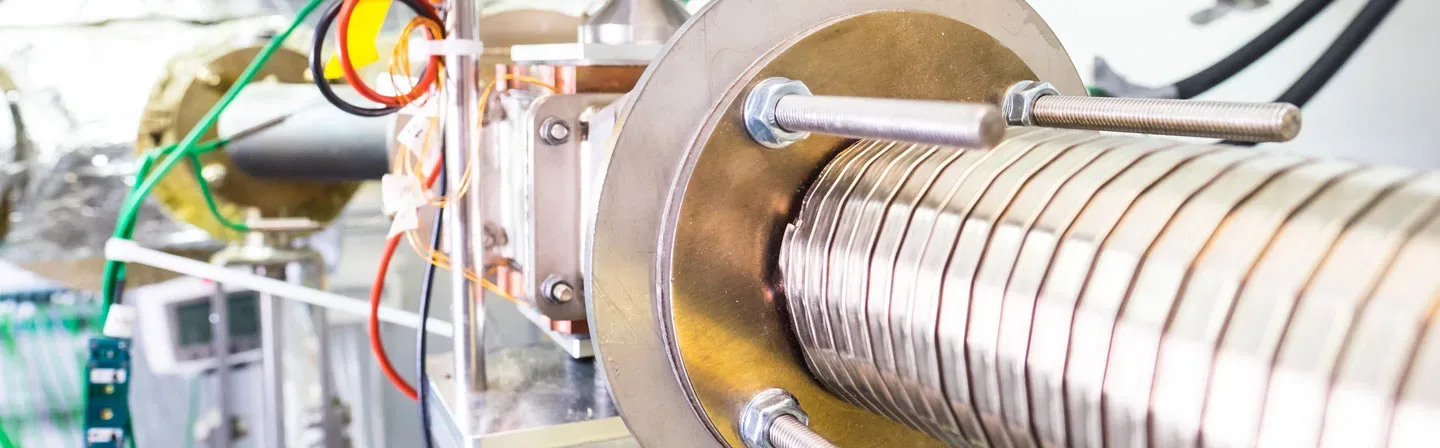
Figures below are our own plant data, not industry averages.
Related Guides
Reading That Helps On This Kind Of Project
FAQ
Frequently Asked Questions About Industrials
Why use thermoelectric instead of a filtered fan?
A filtered fan can only bring the enclosure to ambient, and its filter clogs. A thermoelectric assembly cools below ambient and keeps the internal air completely sealed from the outside, which removes both the temperature limit and the service visit.
Can a cabinet cooler also heat in winter?
Yes. Reversing module polarity heats the enclosure, which is a normal requirement for outdoor and unheated plant installations. Specify it at the enquiry stage.
What happens in a very hot ambient?
Performance falls as the hot side rises, because catalogue values assume a 30 °C hot side. If plant ambient is high, an air to liquid architecture with a coolant loop gives a much more stable baseline.
How much maintenance is involved?
The modules themselves have no moving parts. Fans are the wear item in air cooled assemblies, and plate to plate assemblies have no moving parts at all.
Do the modules survive vibration?
Ceramic substrate modules are brittle. In high vibration installations we recommend TEA aluminium substrate modules, which are metallic and breakage free.
Cooling Equipment In A Difficult Plant
Tell us the internal dissipation, the ambient range and how dirty the environment is. We will recommend the architecture and the module family that will still be working in five years.
No forms. Messages reach our engineering desk directly. Reply within 24 hours, Monday to Friday, 9:00 to 17:00 Beijing time.