
X-ray fluorescence (XRF) spectroscopy is the standard analytical method for determining the chemical composition of ceramic raw materials.
Technical Details
When you receive a Certificate of Analysis for nepheline or feldspar, the oxide percentages (SiO2, Al2O3, Fe2O3, K2O, Na2O, etc.) were determined by XRF. Understanding the method helps you interpret the data and assess its reliability. How XRF works: the sample is irradiated with X-rays, causing each element to emit characteristic fluorescent X-rays at specific wavelengths. A detector measures the intensity of each wavelength, and software calculates the concentration of each element (reported as oxide equivalents). The sample is typically prepared as either a pressed powder pellet or a fused glass bead — the fused bead method is more accurate but more expensive. For buyers, the key quality indicators of reliable XRF data: sample preparation method (fused bead is preferred for oxide analysis); calibration standards used (certified reference materials); number of measurements per sample (triplicate is standard); and laboratory accreditation (ISO 17025 or equivalent).
Practical Application
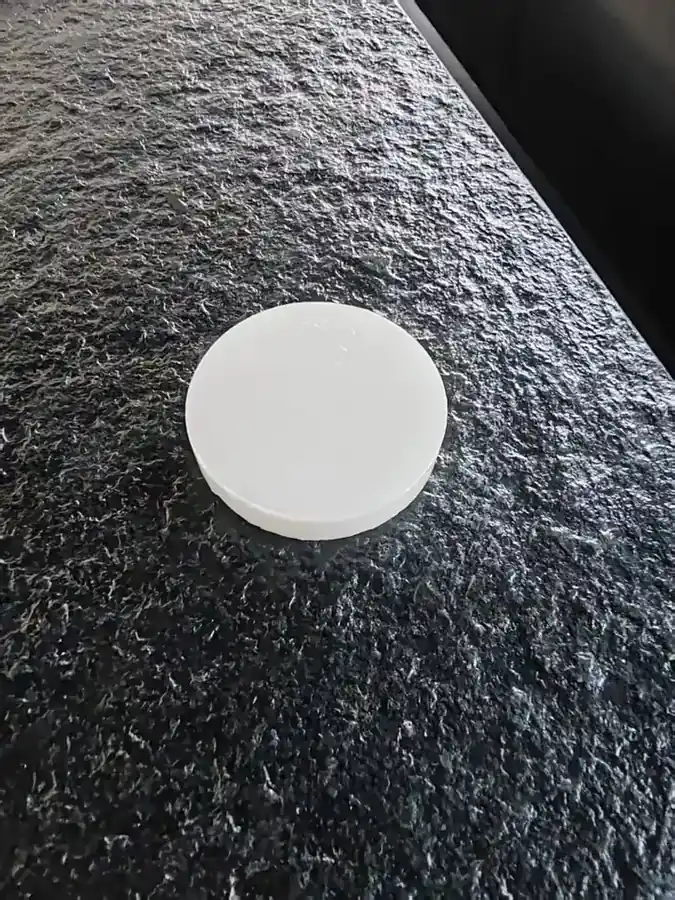
Our in-house XRF uses fused bead preparation with certified reference materials. For export shipments, Foshan Youbo Lab provides independent verification using their own calibrated instrument — giving you a second data point from a different laboratory..