
Mine-owned nepheline syenite and feldspar since 2007
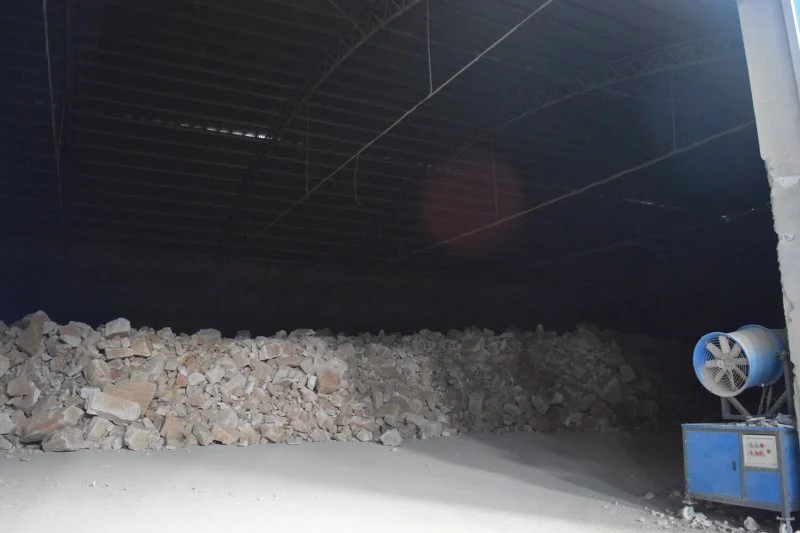
Raw ore stored under the plant roof
Raw Material Science

Moisture Control in Nepheline and Feldspar Powder

Why moisture matters for mineral powder handling, storage, and ceramic production. Specifications and best practices.

Moisture content in mineral powder affects handling (flowability, bridging in hoppers), storage (caking, mold growth in humid climates), weighing accuracy (water weight means less actual mineral per kg), and ceramic processing (excess moisture in the ball mill feed reduces grinding efficiency).

Technical Details

Our standard moisture specification is below 1.0% for all grades — achieved through our drying process after wet magnetic separation. Typical delivered moisture is 0.3-0.8% depending on season and storage duration. For tropical and high-humidity destinations (Southeast Asia, India, West Africa), we recommend: store bags in enclosed warehouses away from direct rain exposure; stack on pallets (not directly on concrete floors which transmit ground moisture); use inner PE liner bags for extended storage beyond 6 months; and test incoming moisture on each shipment as part of your quality control protocol. Excessive moisture (above 2%) causes: inaccurate batch weighing (you are paying for water weight), reduced ball mill efficiency (slurry becomes too dilute), potential caking that makes the powder difficult to discharge from bags, and in extreme cases, biological contamination. Our 1200kg jumbo bags include inner PE liners as standard for moisture protection during ocean shipping. 50kg bags are woven PP with a moisture-resistant coating..

Practical Application
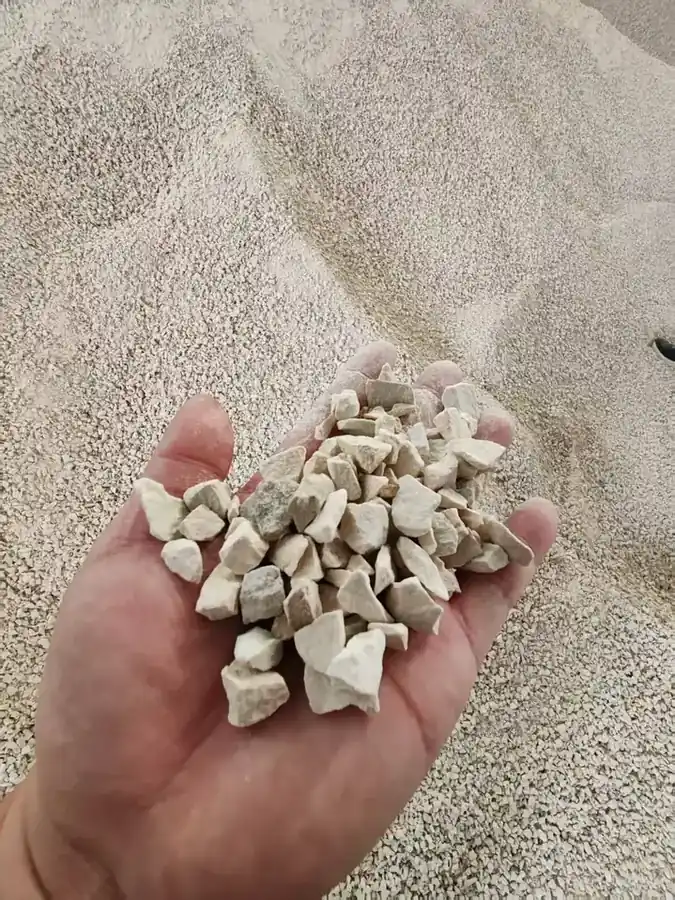
Crushed potassium feldspar held in the hand

Our Products & Recommendation

FAQ

Questions on This Topic

What does Moisture Control in Nepheline and Feldspar Powder cover?

Moisture content in mineral powder affects handling (flowability, bridging in hoppers), storage (caking, mold growth in humid climates), weighing accuracy (water weight means less actual mineral per kg), and ceramic processing (excess moisture in the ball mill feed reduces grinding efficiency).

What quality documentation comes with a shipment?

A batch-specific Certificate of Analysis covering XRF chemistry, particle size, moisture and fired whiteness at 1200 degrees C. We send it for approval before loading, and originals travel with the shipping paperwork.

What is the minimum order quantity?

One 20ft container, which is about 24 tons — roughly 20 FIBC jumbo bags. Samples of 1-5 kg per grade are available before that for laboratory evaluation.

Can I get samples before ordering?

Yes. We ship 1-5 kg of each grade by DHL or FedEx at our expense. Samples reach most international destinations in 5-7 days and each one includes a Certificate of Analysis.

Take It From Reading to Testing

Send your current specification and the problem you are chasing. Samples follow within a week.