


Rotor Mould
Recorded in the archived catalogue as a rotor mould.
What This Tool Is
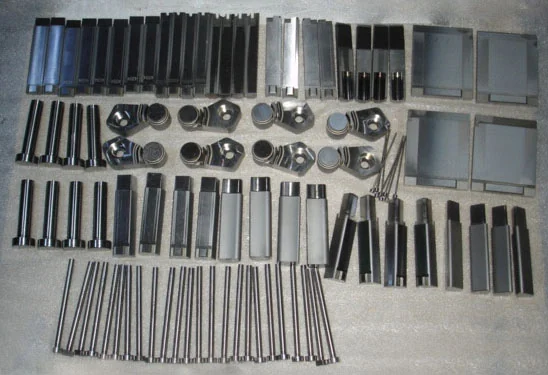
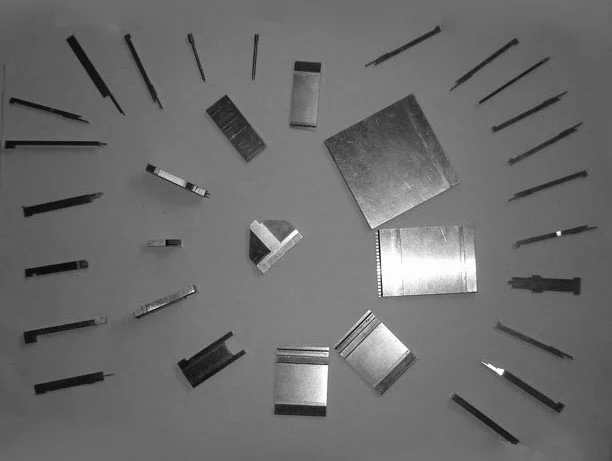
Recorded in the archived catalogue as a rotor mould. Blade roots are exactly where a milling cutter leaves too large a radius, so the detail is burned in with an electrode. The archived record names the product but gives no cavity steel, cavity count or cycle time, so none are stated on this page.
Company catalogue record 216.
Specification And Trade Terms
Specification
The catalogue record for this product gives a name and a category only, so no specification table is shown. Send the part and we will quote a specification against it.
Commercial terms
| Product origin | China |
|---|---|
| Price terms | FOB Xiamen or CIF |
| Payment terms | T/T or L/C |
| Minimum order | 1 set |
| Mould standard | HASCO or DME standard components |
Key Benefits
Built through the same tool room route as the fully specified moulds in this catalogue, with CNC machining, EDM and wire cutting in house
Quoted against your part and your moulding grade rather than against a category price
Trialled on an injection machine here, so the cycle time you are given has been measured rather than estimated
Problems It Solves
Suppliers quote a part outside their usual categories with a safety margin rather than a real number
Tooling bought without a documented specification cannot be repaired consistently years later
A tool shipped without a trial arrives as the buyer's problem
Who It Is For And Where It Is Used
Who it is for
- Bathroom and sanitary ware brands
- Sanitary component assemblers
- Trading companies holding a bathroom brand
Application scenarios
- Moving a European shower tool to an Asian source without changing the part
- Replacing a cover plate tool that has started to bow parts
- Adding a second impression once a launch programme reaches volume
Technical Features And Materials
Technical features
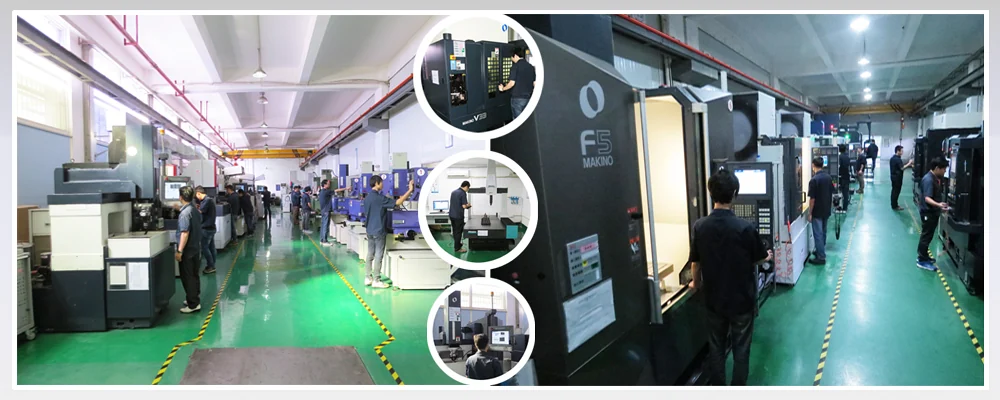
- Cavity and core machined, spark eroded and wire cut in our own tool room
- Mould base built from HASCO or DME standard components
- Spare component set packed with the finished tool
- First article measurement on the 2D image measuring projector
Customisation options
- Cavity steel specified against your moulding grade and the shot count the programme actually needs
- Cosmetic features such as texture, logos and part numbers cut as replaceable inserts so a later change does not mean a new cavity
- Mould base built to HASCO or DME dimensions, or to a standard your own tool room already stocks spares for
How This Mould Is Made
- Cavity and core blocks are inspected against the specified grade before they enter the machining route
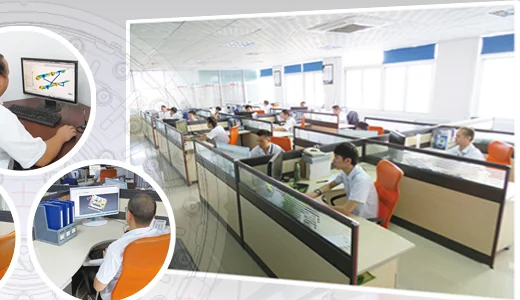
- Cavity geometry is cut on the CNC machining centres from programmes generated off the released part model
- Rib roots, text and internal corners are burned in with EDM electrodes, which is detail no rotating cutter can reach
- Inserts and ejector holes are wire cut so that components drop in to a repeatable fit
- The moulding face is polished to the finish the part needs, which for a plated part is a different grade from a textured one
- Parting line, shut offs and ejection are fitted and spotted by hand at the bench
- The tool is trialled on one of our injection machines and the cycle time is measured from that trial
Quality Control On This Tool
- Incoming cavity and core steel is checked against the grade on the order, not against the delivery note
- Machined inserts and plates are measured between operations rather than only at the end of the route
- Trial parts are measured on the 2D image measuring projector against the dimensions nominated on your drawing
- Corrections found at trial are recorded against the mould number with the date and the reason, so a repair years later starts from what the tool actually is
- Before shipment the water and hydraulic circuits are blown out and plugged and the moulding faces are oiled
Compared With The Alternatives
Buying the tool and the parts from different suppliers
Splits responsibility at exactly the point where mould and process interact, which is where problems on a moulded part usually sit.
Use And Maintenance Guide
- With no slides the maintenance is ejection and cooling, so check ejector pin return and flush the water circuits on schedule
- Oil the moulding faces and plug the circuits for any storage longer than a week
Related Products
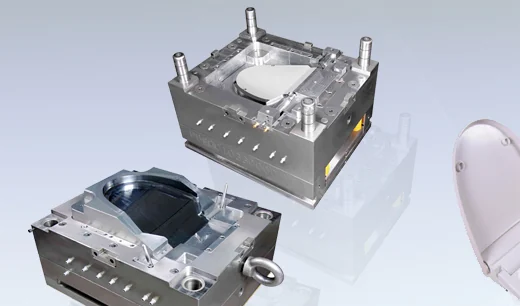
Moulds For Sanitary Ware Parts
ABS Sanitary Part Mould With S136 Cavity Steel
Stainless quenched cavity for a plated bathroom part
Product materials ABSMould material S136 quenching
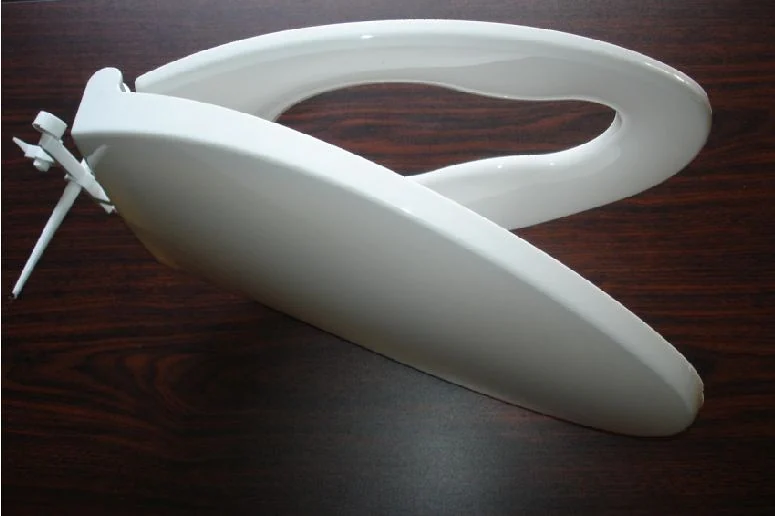
Moulds For Sanitary Ware Parts
PP Cover Plate Mould With NAK80 Cavity Steel
Pre-hardened NAK80 on a large flat polypropylene part
Product materials PPMould material DAIDO NAK80

Moulds For Sanitary Ware Parts
ABS Sanitary Part Mould With Three Slides
Three independent pull directions on one impression
Product materials ABSMould material DAIDO S-Star quenching
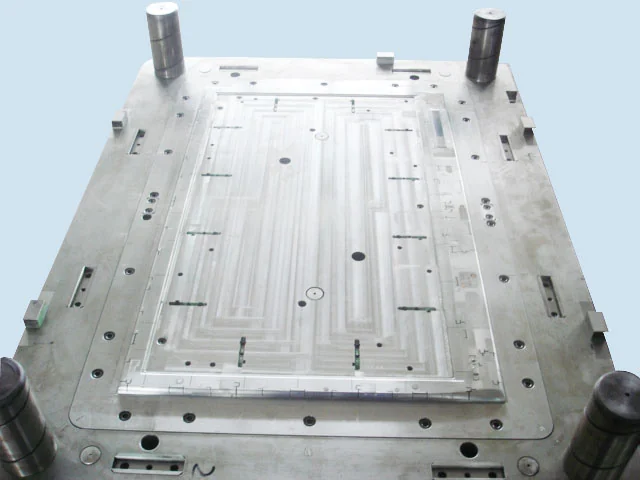
Moulds For Automotive Interior Parts
PC ABS Automotive Part Mould With SKD61 Cavity Steel
SKD61 for the melt temperature and abrasion of PC ABS
Product materials PC/ABSMould material SKD61
Industries And Guides
Industry
Sanitary Ware
Shower heads, hand showers, cisterns, toilet seats and cover plates moulded in ABS and PP
Industry
Medical Instrument
Instrument housings and moulded components for medical equipment makers
Material Guide
How To Choose Cavity Steel For An Injection Mould
S136, NAK80, S-Star, SKD61 and 718 all appear in this catalogue. What each one is actually for, and what it costs you to pick the wrong one.
Process Guide
Pinpoint Side Submarine And Valve Gates Compared
All four gate types appear in this catalogue. Where each one belongs, what it leaves on the part, and what it costs in mould construction.
Buying Guide
Single Cavity Multi Cavity Or Family Mould
Impression count is most of the tool price and most of the piece price. How to decide it before you ask for a quotation.
Rotor Mould Questions
What buyers ask about this tool before ordering.
Why does this page not carry a specification table?
Because the archived product record for it gives a name and a category and nothing else. We would rather leave the table off than fill it with plausible numbers. Send the part and we will quote a real specification against it.
What do you need in order to quote?
A 3D model in STEP or IGES, a 2D drawing marking the dimensions that matter, the moulding grade and colour, and the annual volume. The volume is what decides impression count, and impression count is most of the tool price.
How long does a tool like this take?
It depends on impression count and slide complexity, so we give a date with the quotation rather than a general figure. What we will not do is quote a lead time that assumes nothing goes wrong at trial.
Do you supply the moulded parts as well as the mould?
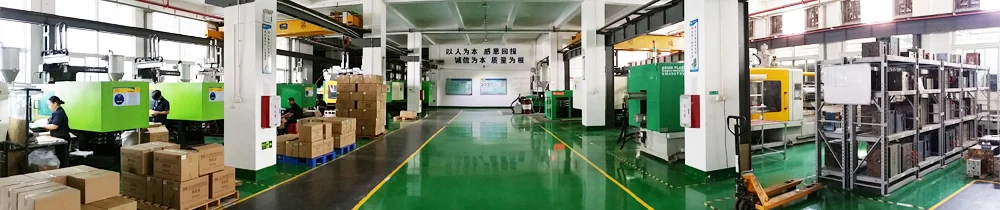
Yes. The plant runs injection machines below 600 tons on the same site as the tool room, so a mould built here can be trialled and then run for production without shipping it anywhere.
Get A Quotation For This Tool
Tell us your moulding grade, annual volume and target date and we will come back with a specification you can compare against any other offer.