The second mine
Phones, computers, servers, appliances and communication equipment are replaced in enormous quantities every year, and the discarded stock has become a significant global source of precious metals.
One tonne of discarded mobile phone motherboards contains approximately 200 to 350 grams of gold, far above the average gold content of natural ore. That ratio is why e-waste recycling is described in the industry as the second mine.
Where the gold actually sits
Gold plating on printed circuit boards is the largest single source: phone motherboards, computer motherboards and server boards. Plating thickness is typically 0.05 to 0.15 microns, but the volume makes the total substantial.
Connectors and pins are next. High-speed signal interfaces, memory slots, CPU pins and hard drive connectors are plated with a thin gold layer for conductivity and oxidation resistance.
Chips and packaging carry gold wire bonding, with higher content in high-end, military and aerospace components.
Relay contacts and capacitor electrodes account for the remainder. The gold is dispersed and thin, but the overall content still exceeds natural ore.
Chemical gold removal powder
The chemical route dissolves the gold layer and then precipitates it as powder. Gold removal powders are typically mixtures of thiourea, chlorine compounds or cyanides. The oxidant and complexing agent convert solid gold into a soluble complex; a reducing agent then reprecipitates it.
In practice: disassemble the waste and remove plastic, aluminium and iron; crush the gold-plated parts to increase surface area; leach in a corrosion-resistant vessel with heat or stirring; separate solid from liquid; add a reducing agent such as sodium sulfite or sodium metasulfite; wash and dry the precipitate; then smelt the powder at high temperature to reach roughly 95 to 99 percent gold.
The advantages are a mature process and low equipment investment, which suits small workshops and laboratories. The disadvantages are high chemical consumption and cost, serious wastewater and waste gas pollution requiring specialised treatment, and a recovery rate and purity that depend heavily on the operator, typically landing between 90 and 95 percent.
Electrolytic recovery
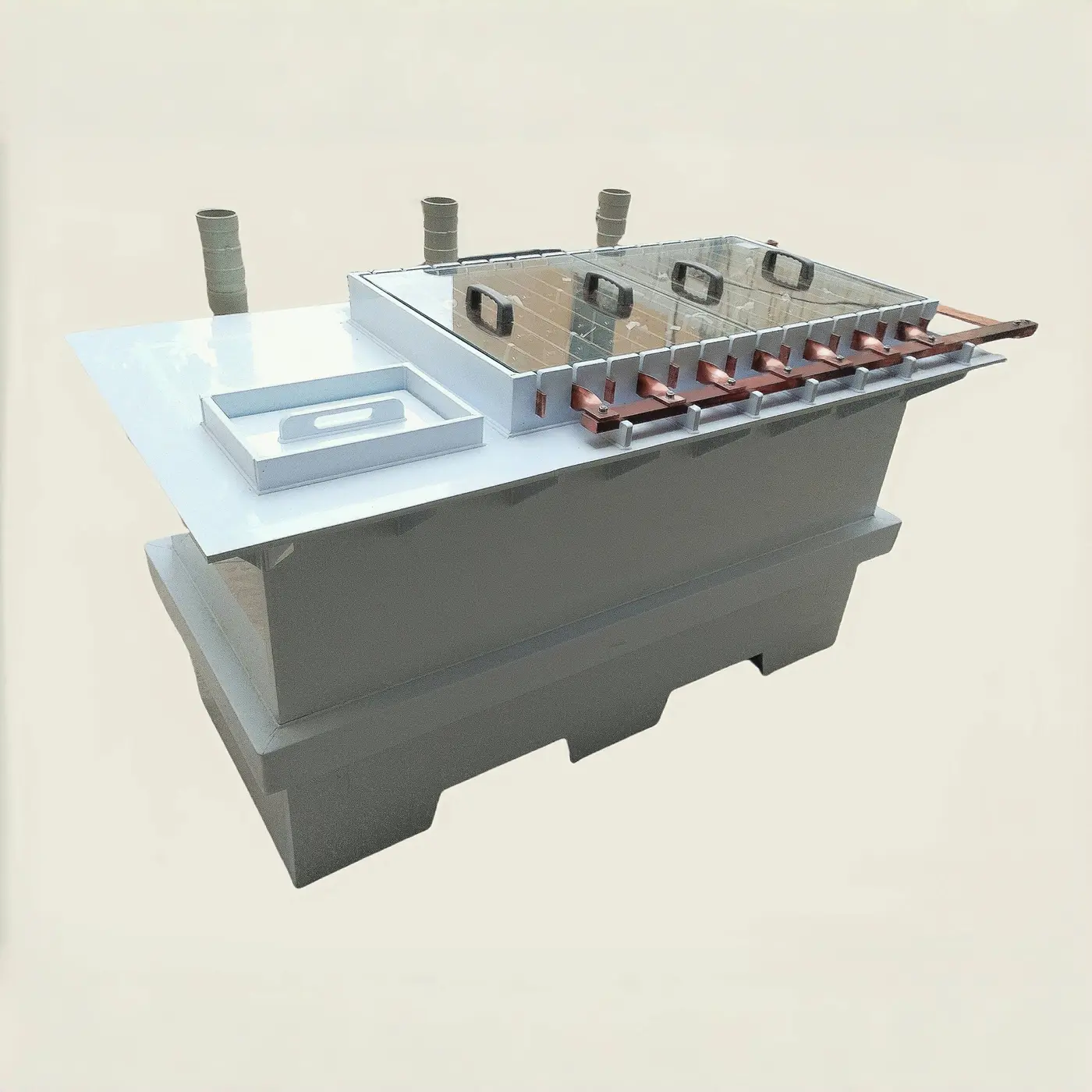
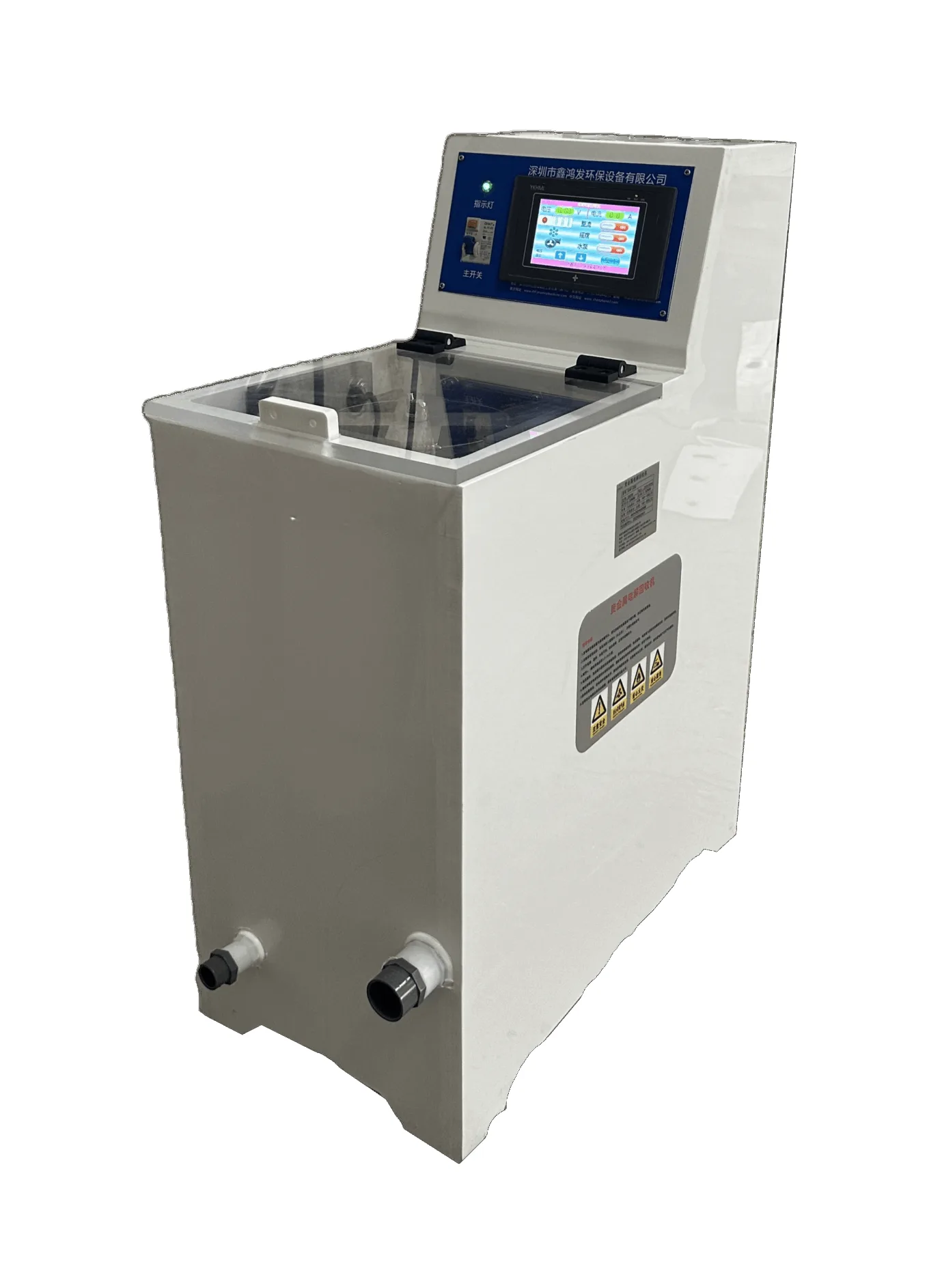
The electrolytic recovery machine was developed to get past those limits. A solution containing gold ions serves as the electrolyte; under a DC supply the gold ions migrate to the cathode and deposit on the plate as a high-purity metal layer, with an inert anode.
The published recovery figures for the machine are 99 percent or better for gold and silver, and 90 percent or better for copper, nickel, platinum and palladium, at an output purity of 99.8 percent.
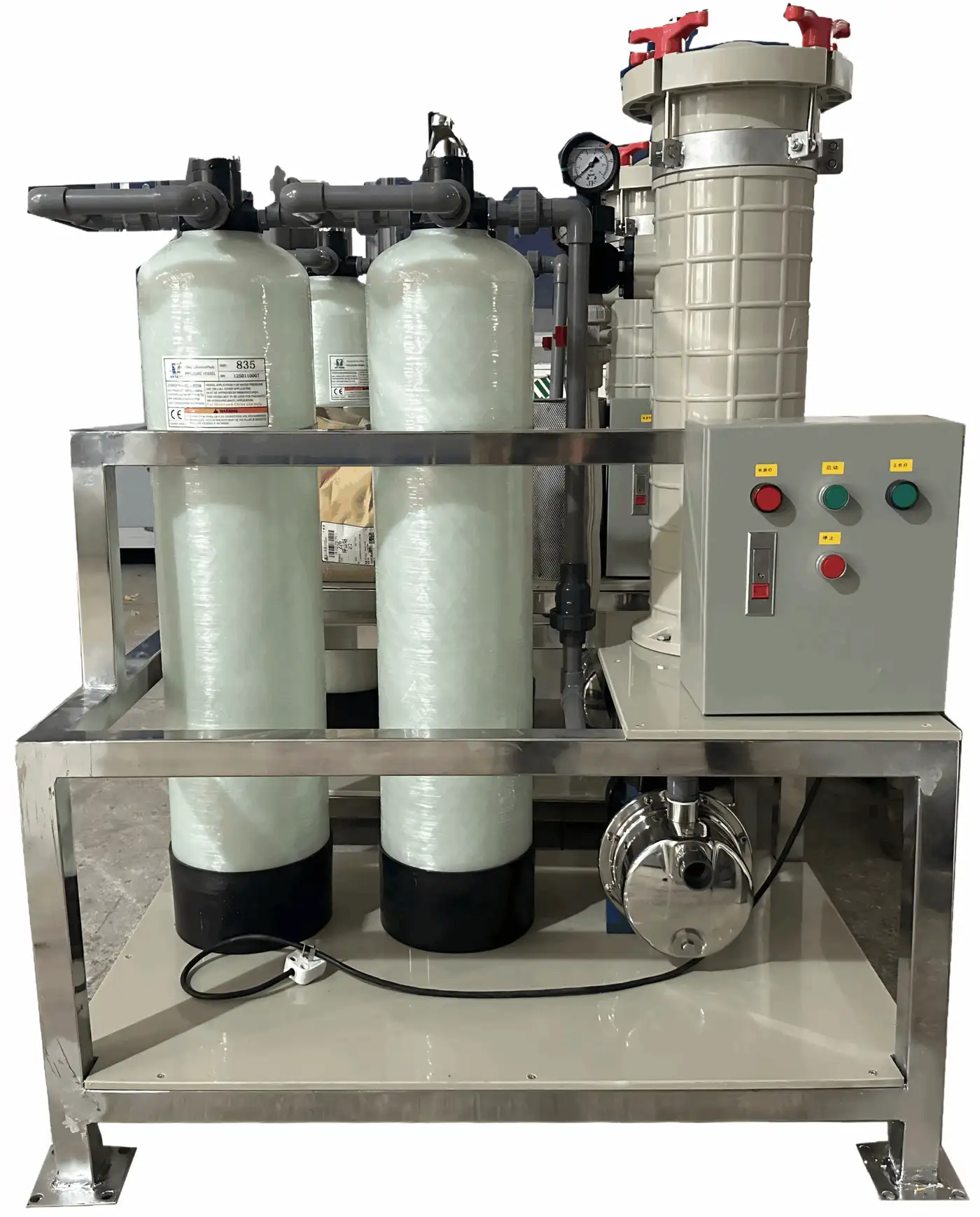
For very dilute liquor, resin adsorption takes over. E-waste leaching solution is one of the named feeds for the gold resin recovery machine, which works selectively on gold-cyanide complexes at concentrations where electrolysis is no longer economic.