Where the silver comes from
Fixer solution is used in photography, film processing, printing plate making and X-ray imaging. Its job is to dissolve undeveloped silver halide out of the imaging material so the image is stable. After enough cycles the solution saturates, loses its fixing ability, and becomes waste fixer.
The silver in it is worth recovering. Analysis typically shows 3 to 6 grams per litre, with an average around 4 grams per litre. A recovery machine processing 20 litres in one operation therefore recovers roughly 80 grams of silver.
The silver arrives as complex ions. Residual silver halides such as AgBr and AgCl are dissolved by complexing agents, principally sodium thiosulfate, forming stable silver thiosulfate complexes. Those complexes do not respond to simple precipitation, which is what forces the choice of recovery method.
Why the chemical methods were abandoned
Small laboratories and photofinishing plants historically used chemical precipitation and displacement: iron flakes or copper scrap to displace silver powder, or strong oxidants to convert the silver ions. Four problems came with it.
First, the reagents are hazardous. Dichromates used as bleaching agents release highly oxidising ions which readily form hexavalent chromium in acid conditions, a serious risk to both operators and the environment.
Second, the reaction is hard to control and the product is dirty. Precipitation picks up iron, copper and sulfur, giving a low-grade silver powder that is then difficult to refine.
Third, recovery is incomplete. Typically only 70 to 80 percent of the silver is captured; the rest leaves with the wastewater, which wastes metal and pollutes at the same time.
Fourth, the process generates harmful gases such as SO2 and NOx. Internationally, chemical displacement is being phased out in favour of electrolytic recovery.
The electrolytic route
Electrochemical reduction does the same job without the reagents. The anode is an inert material, usually titanium or graphite, which stays stable. The cathode is stainless steel or pure copper, and silver ions are reduced to metallic silver on its surface.
The electrolyte is the spent fixer itself. No additional reagent is added at all, which is the single largest operational difference from the chemical route.
After a period of electrolysis the silver has formed a layer or a powder deposit on the cathode surface, which is scraped off directly or dissolved and purified.
What the equipment achieves
Recovery rate of 98 percent or better, with silver in the residual liquid as low as below 20 mg/L, which complies with environmental emission standards.
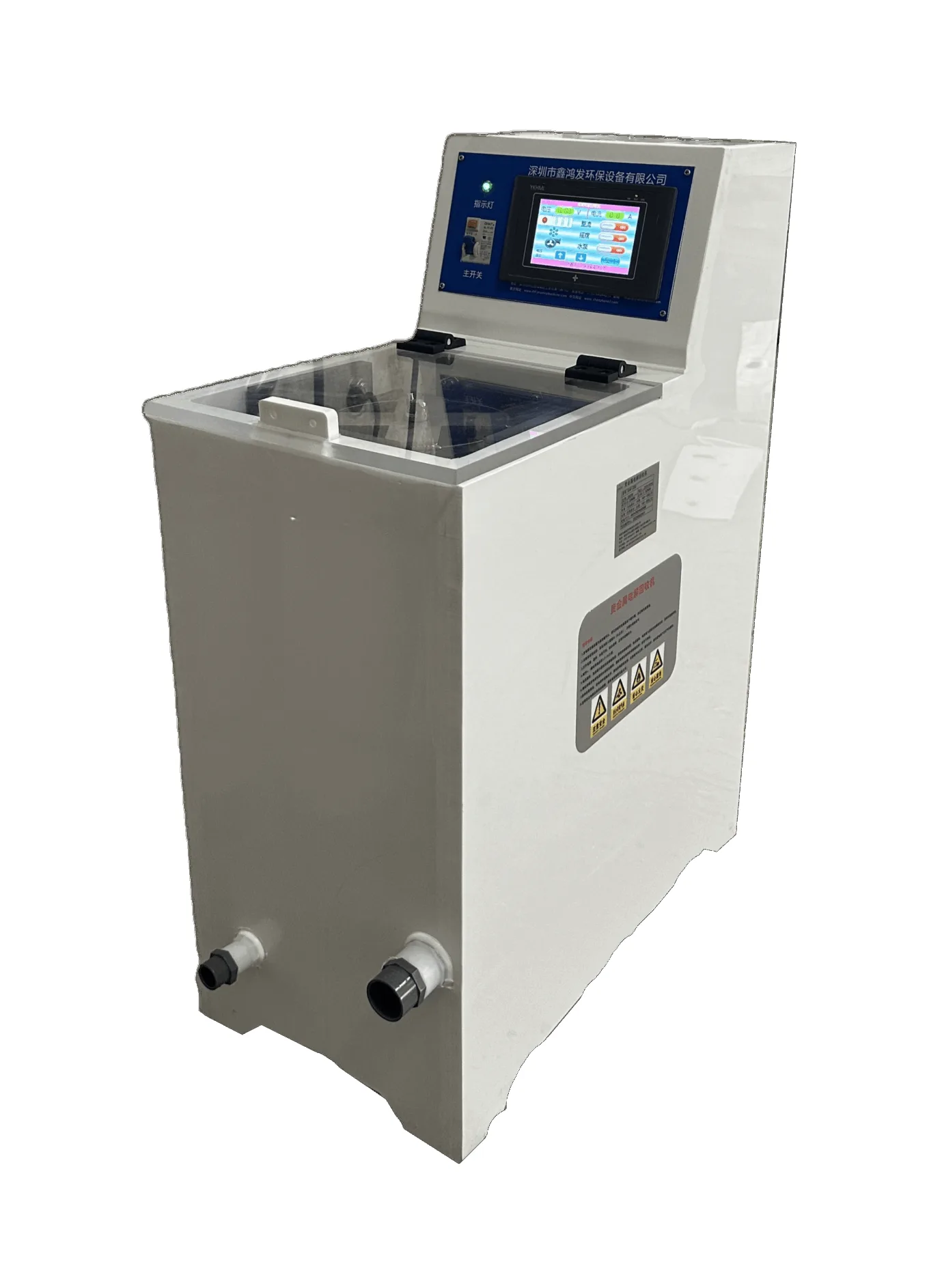
An intelligent current and voltage control module adjusts electrolysis speed automatically, which prevents the bubble interference and silver powder splashing that over-electrolysis causes.
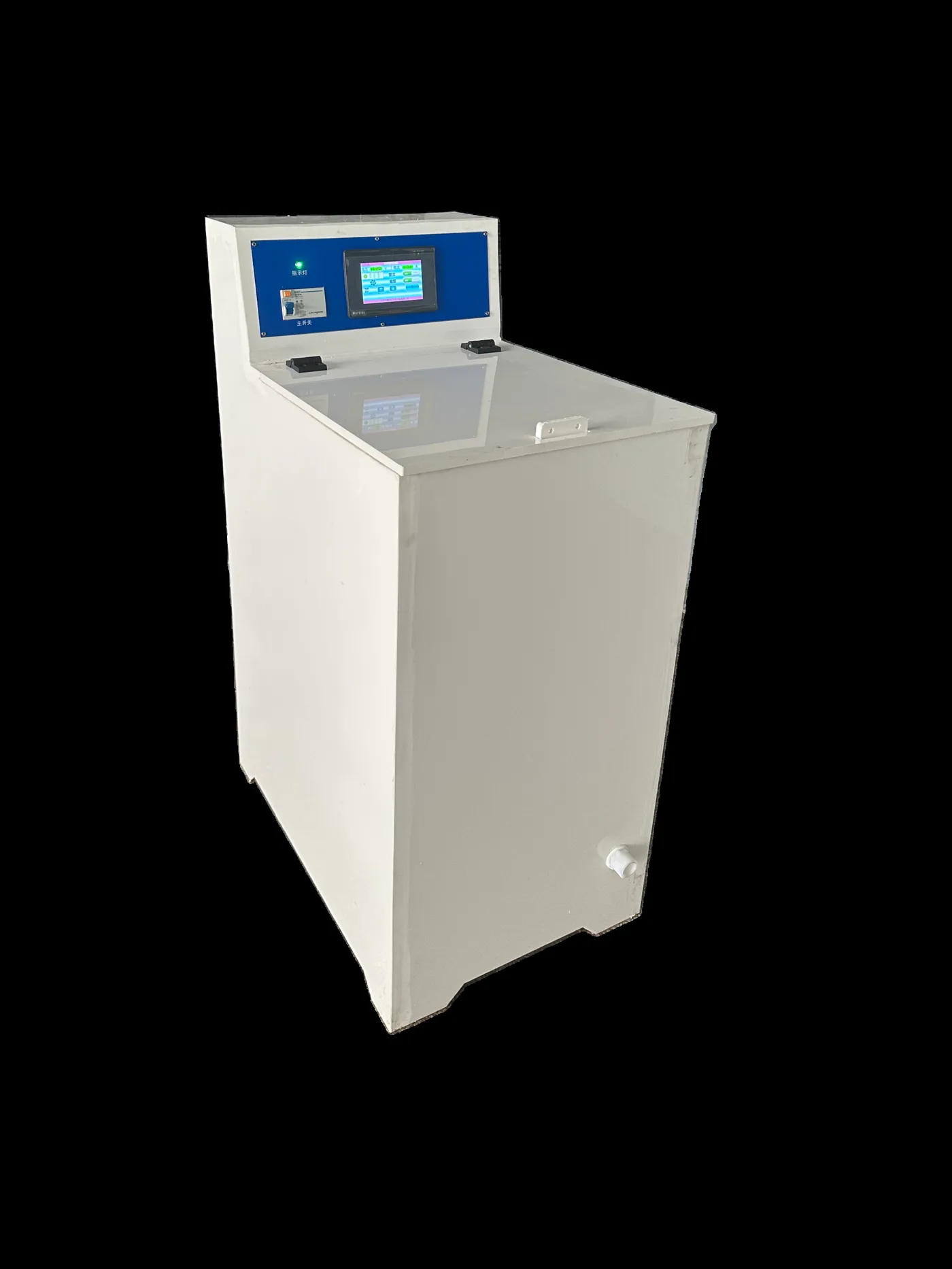
The machine is built around a corrosion-resistant PP tank, acid and alkali resistant, needing no strong oxidisers or hazardous chemicals, and saving 30 percent of the electricity a chemical method would consume.
Maintenance is modular: electrodes are replaceable and the cell is easy to clean, with a continuous operating life stated at over eight years.
Beyond fixer, the same machine handles photographic bleaching solution, electroplating rinse water and iodised etching solution.
Running it
Pretreat the solution first. Filter the spent fixer to remove impurities and suspended particles so flow stays smooth; if it carries glue or film residue, put it through a cloth filter first.
Then charge the cell and let the control system manage current and voltage through the run. Harvest the deposit from the cathode, and check the residual silver in the treated liquid before discharge.