
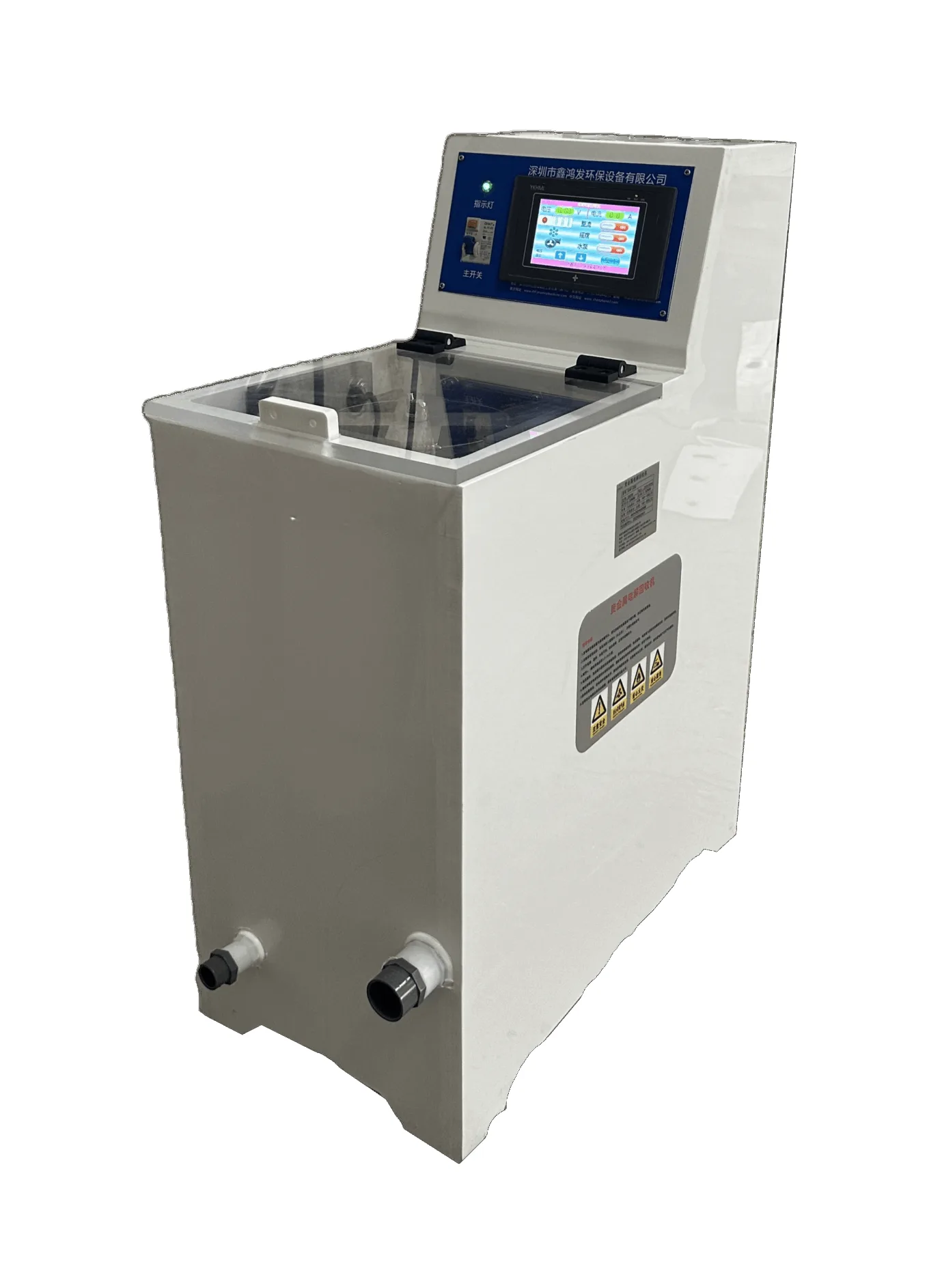
99.8% purity
Precious Metal Electrolytic Recovery Machine
High-frequency pulse recovery that pulls gold and silver straight out of spent solution as metal.
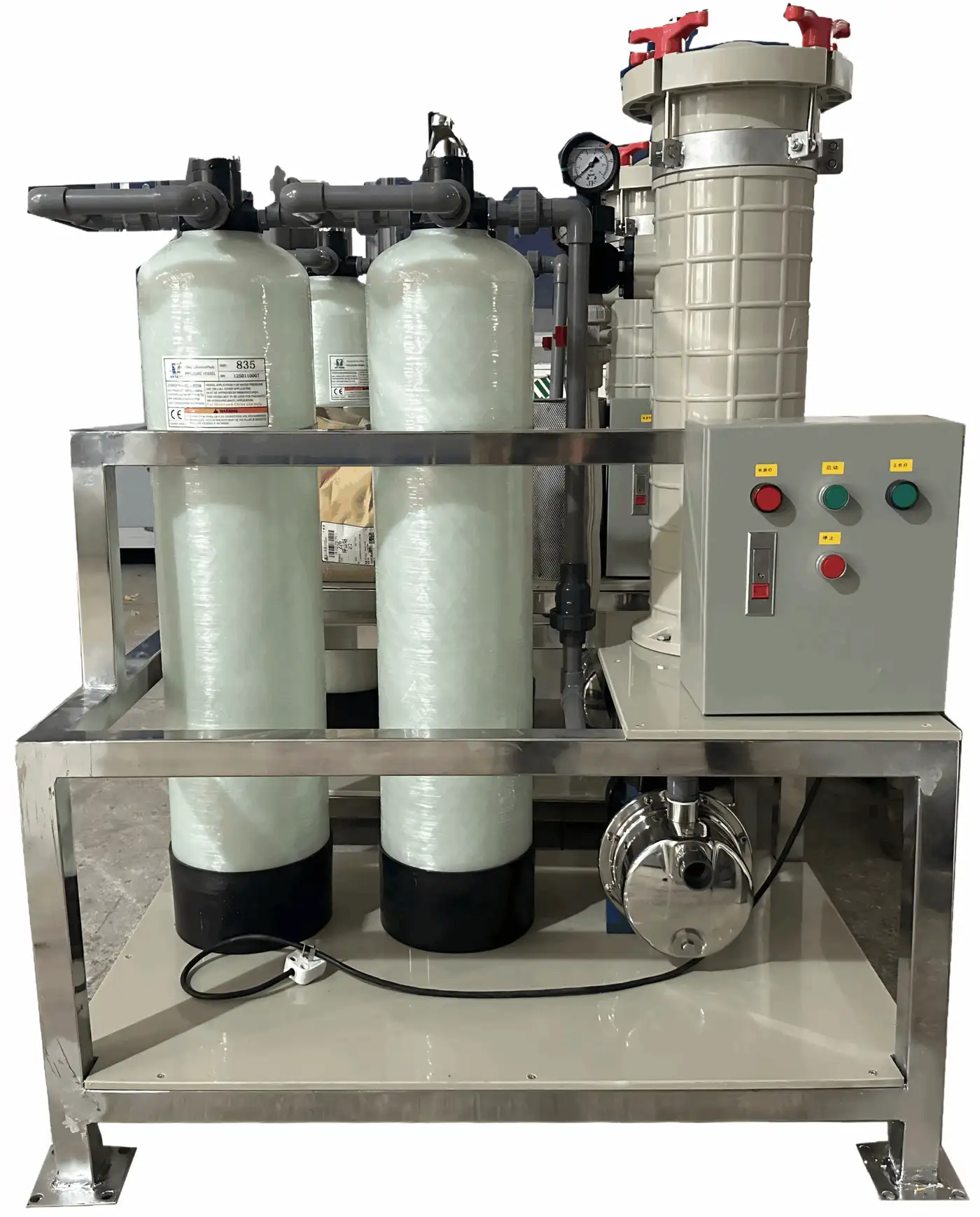
Ion-exchange resin that strips gold out of solutions too dilute for electrolysis.
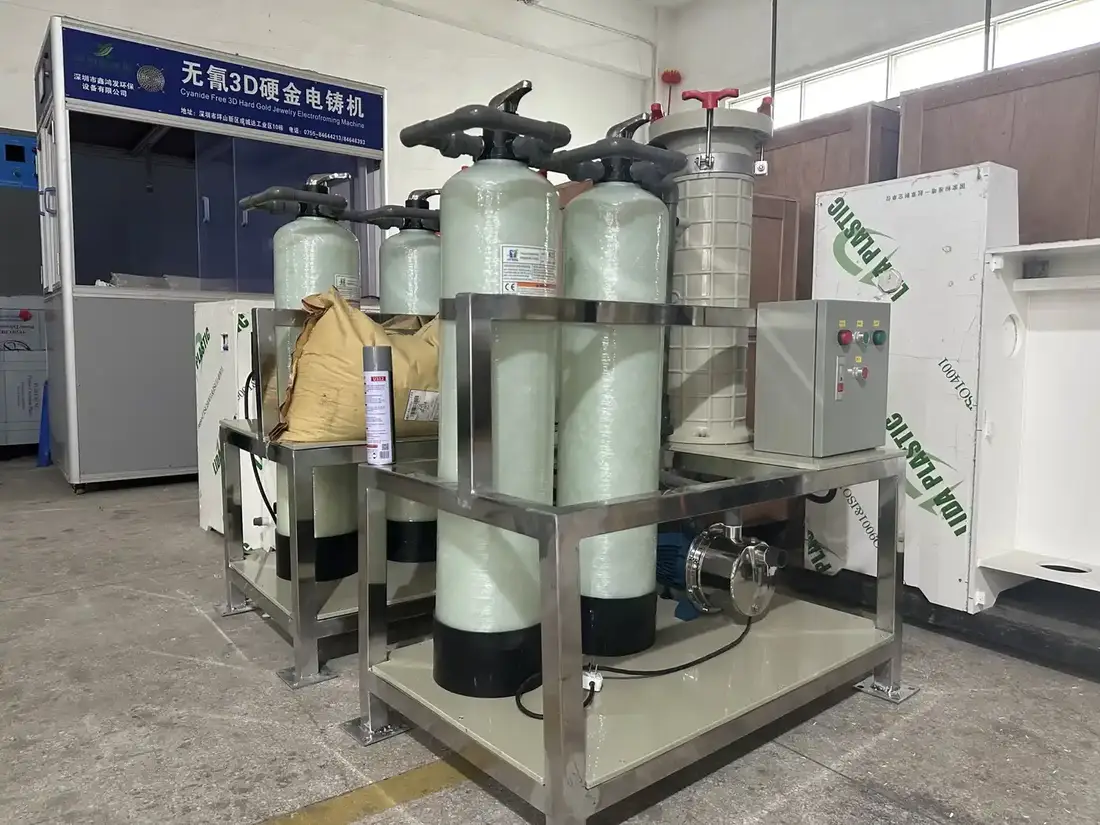
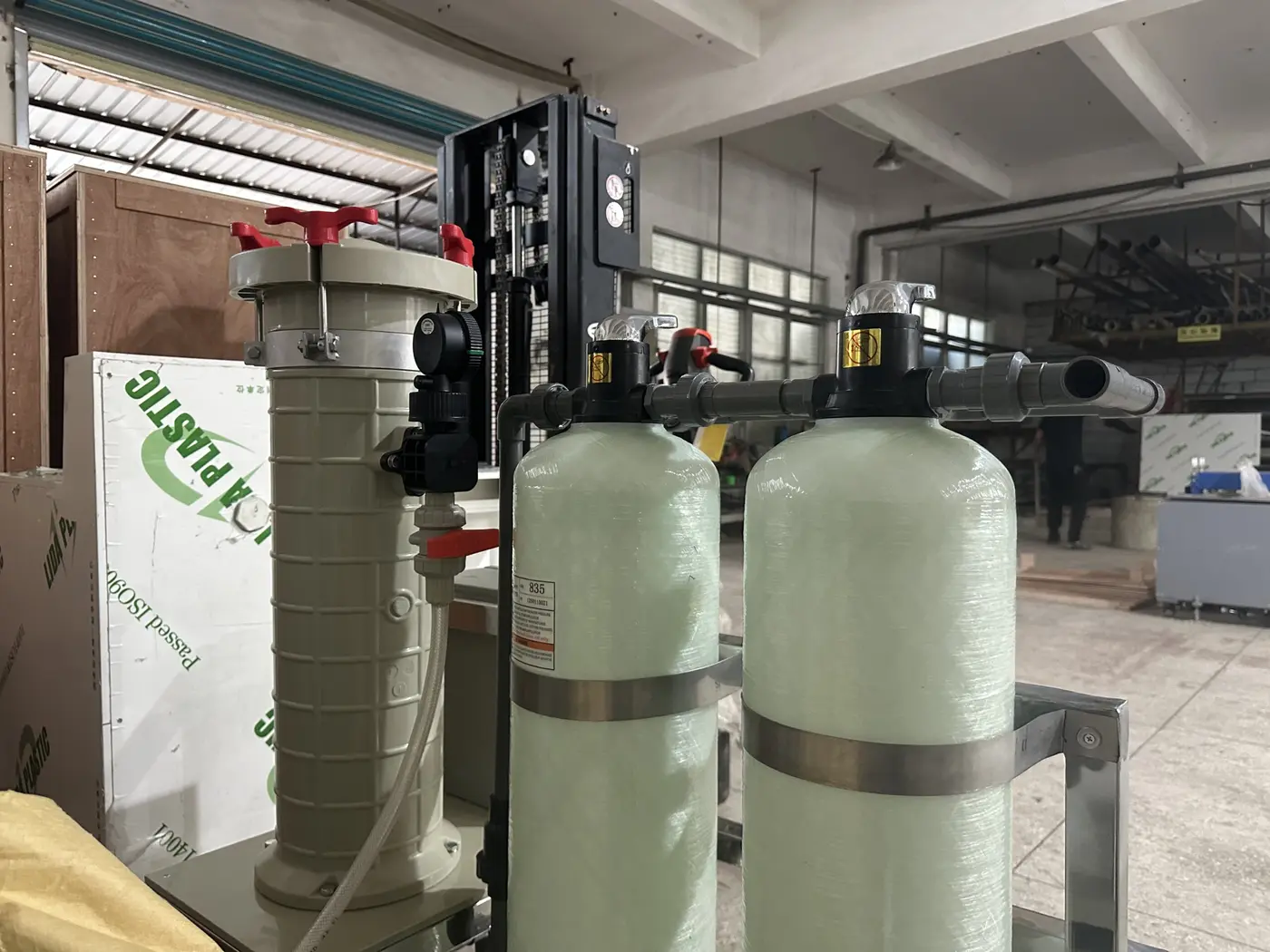
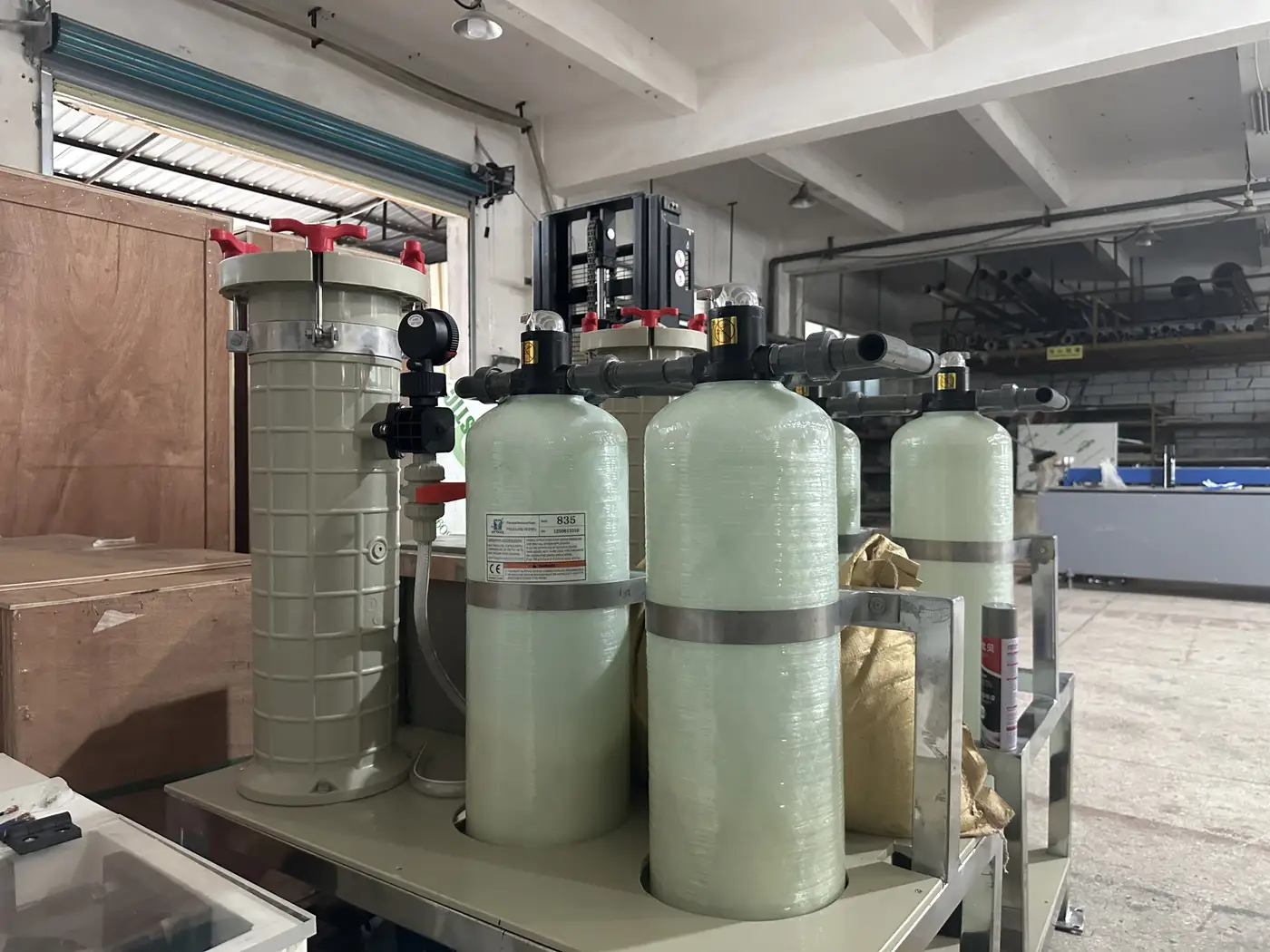
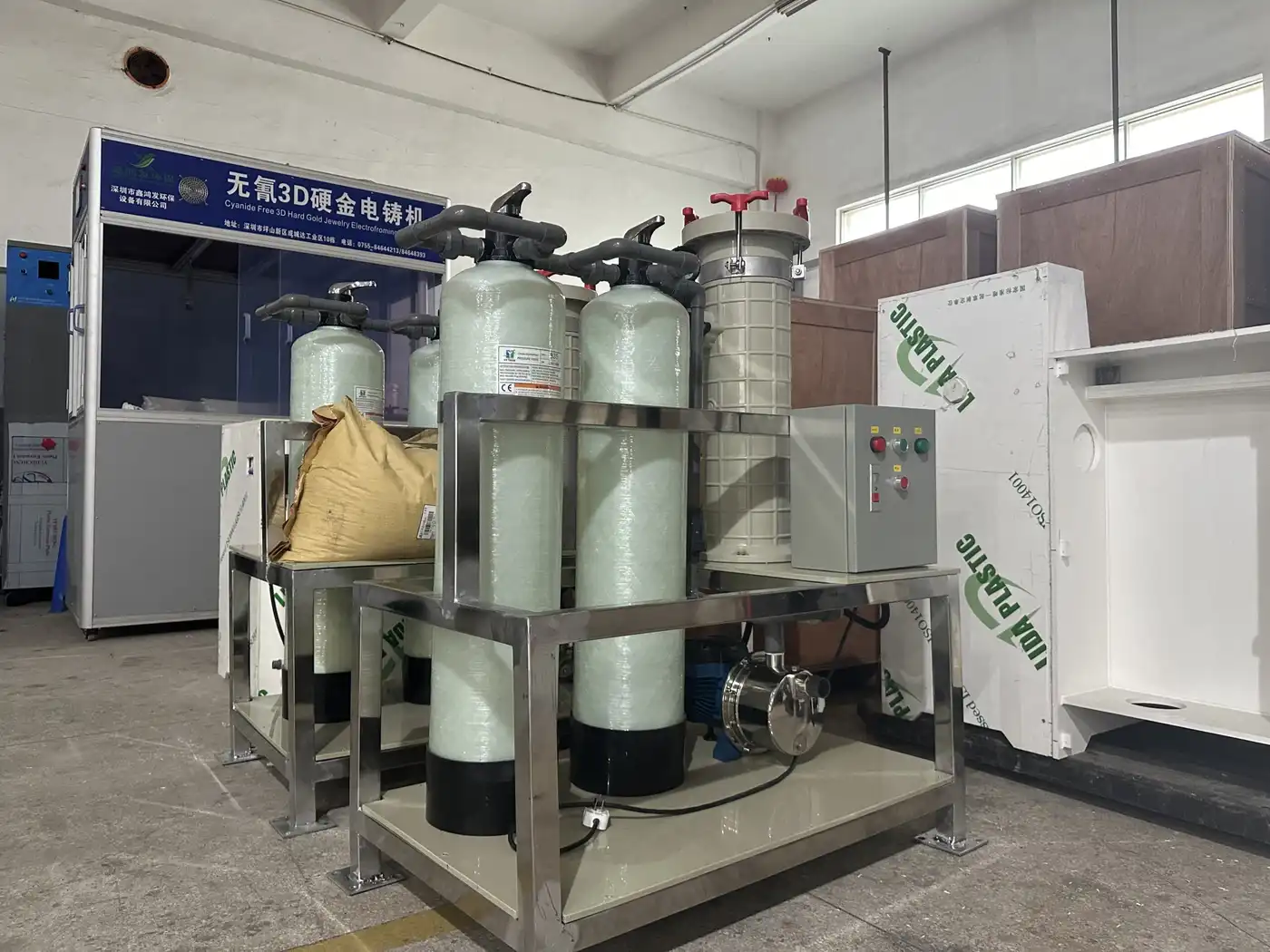
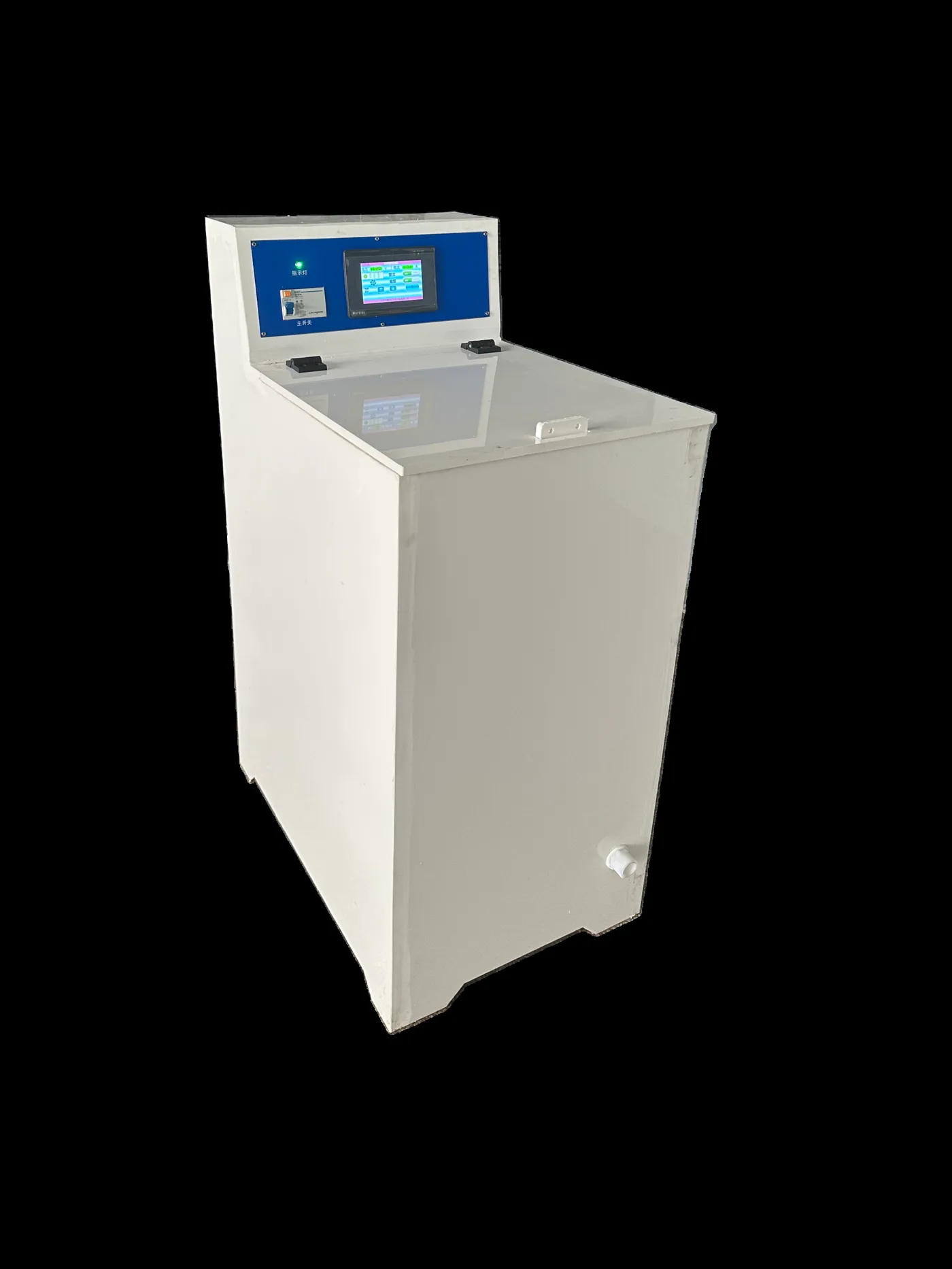
A gold adsorption recovery barrel using functionalised styrene-divinylbenzene resin to capture gold-cyanide complexes selectively, with an automatic circulation system for 24 hour unattended operation and recovery rates above 98 percent on most plating and leaching solutions.
Below a certain gold concentration, electrolysis stops being efficient and precipitation stops being clean. Resin adsorption is the method that still works at extremely low concentrations, which is exactly where cyanide leach liquor, e-waste leachate and plating wastewater sit.
Transcribed from the published product data. Where a figure is not published it is not listed here, and it has not been estimated.
| Product name | Gold adsorption recovery barrel for gold plating solution |
|---|---|
| Principle | Selective ion exchange adsorption of gold-cyanide complexes |
| Resin skeleton | Styrene-divinylbenzene copolymer, cross-linked |
| Active groups | Quaternary ammonium or other cationic groups |
| Recovery rate | Above 98% on most plating or leaching solutions |
| Operation | Automatic circulation, 24 hour continuous |
| Regeneration | Resin regenerated with mild elution agents and reused |
| Typical feeds | Cyanide leaching solution, electronic waste leaching solution, electroplating wastewater |
The resin binds gold ions and gold-cyanide complexes specifically while impurities stay in solution, which is what makes separation and enrichment possible at very low concentration.
Micro and mesoporous channels give a large specific surface area and let gold ions diffuse into the resin interior, which is where the fast adsorption kinetics come from.
No secondary pollution is generated during adsorption, and the process water can often be reused after treatment.
An automatic circulation system pumps solution through the resin bed continuously, so a 24 hour cycle needs minimal supervision.
Once the resin is saturated it is eluted with mild agents and put back into service, which is what keeps the consumable cost down against a single-use medium.
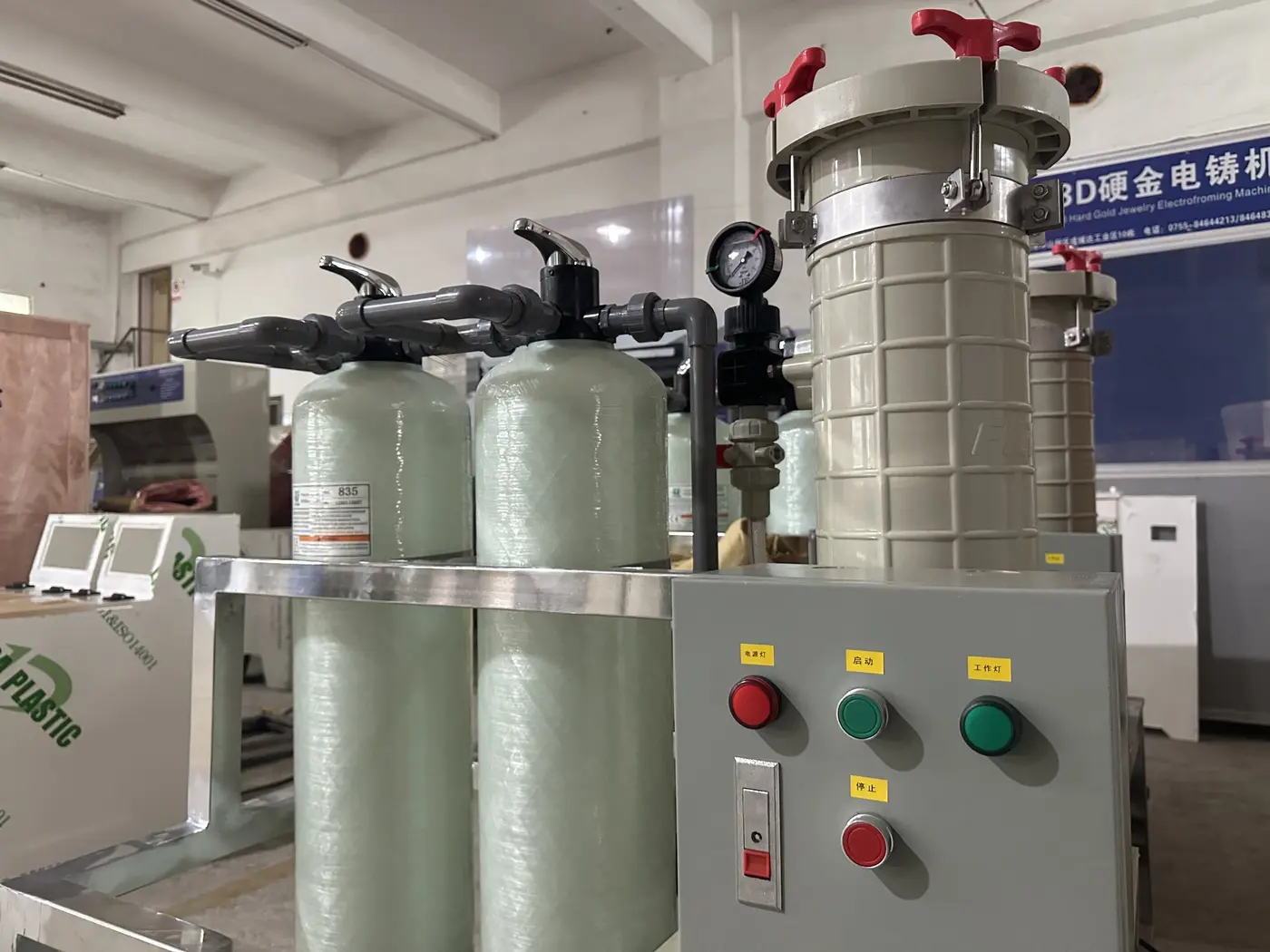
Every photograph on this page is of the actual machine as supplied. Nothing here is a render.
The urban mine: gold, silver, palladium and platinum recovered from boards, connectors and leach liquor.
From mixed feed to a documented purity figure: 9999 silver, cathode copper, aqua regia gold dissolution.
Bath cleanliness, drag-out recovery and de-plating for plants running precious metal baths.
Concentration decides it. Resin adsorption is specified for low-grade solutions such as cyanide leach liquor, e-waste leachate and plating wastewater. The electrolytic machine is the choice on richer plating and strip solutions.
Above 98 percent for most plating or leaching solutions, per the source description.
No. After saturation it is regenerated with mild elution agents and reused repeatedly.
The source contrasts it as cleaner, faster and more stable with minimal energy consumption, and notes there is no cyanide decomposition or secondary pollution during adsorption.
High-frequency pulse recovery that pulls gold and silver straight out of spent solution as metal.
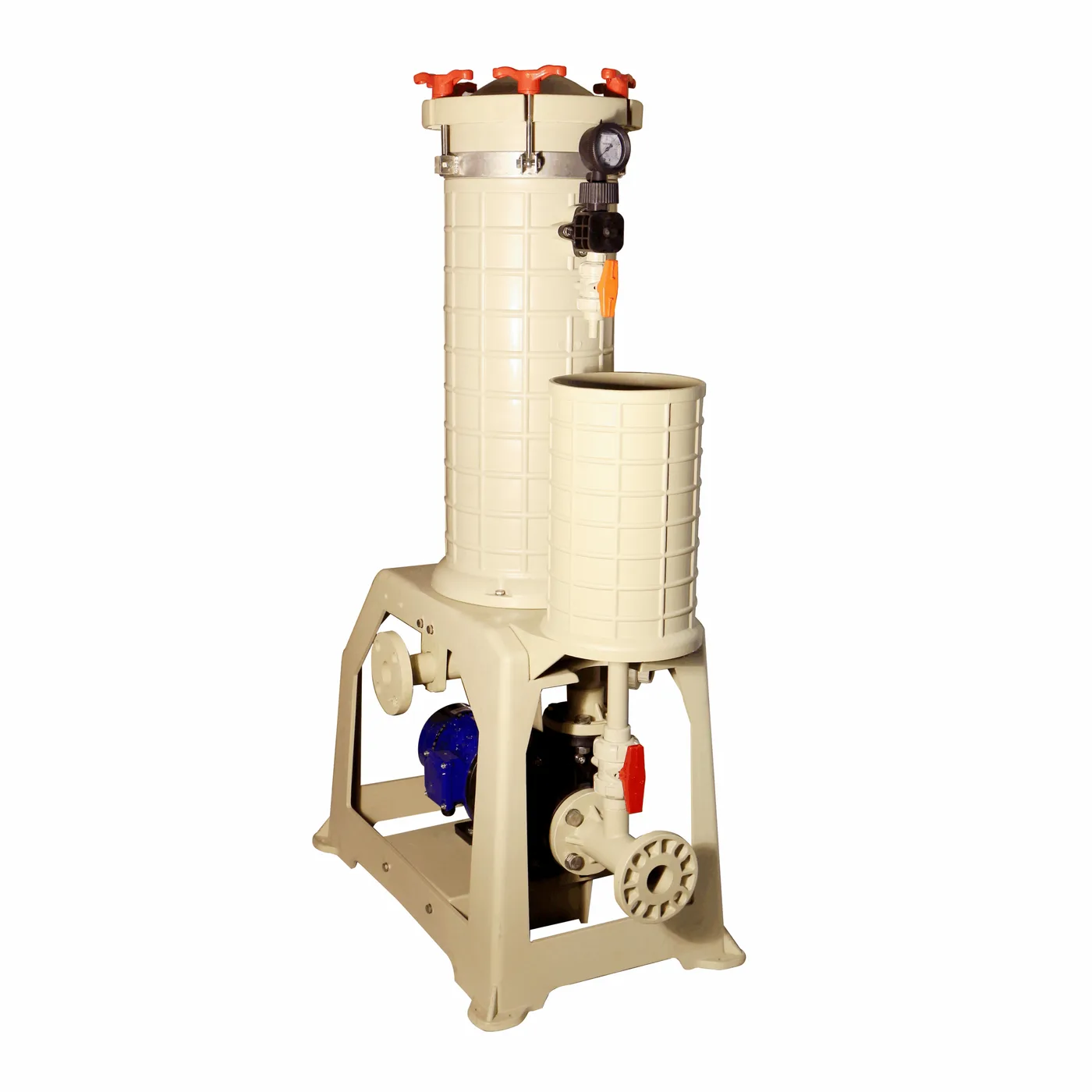
Glandless circulation filter that keeps a plating or electroforming bath clean while it runs.
80 to 92.5 percent scrap silver taken to 9999 on 10 percent dilute nitric acid alone.
Send your daily volume and feed grade and we will confirm the size, capacity and power that fits. Production and delivery normally 7 to 15 working days after order confirmation.