What 18K electroformed gold is
18K gold is 75 percent pure gold with the remaining 25 percent made up of other metals such as silver, copper and palladium. That balance of purity, hardness and colour is why it has dominated the jewelry market.
Traditional 18K production relies on casting, forging and welding. Electroforming is the newer alternative: it reduces weight and material consumption substantially while keeping the appearance and texture, which lowers cost and widens design freedom.
Common electroformed products include necklaces and bracelets with hollow structures, earrings and studs, large-size rings with intricate patterns, high-relief pendants, and craft pieces such as statues and religious ornaments where the metal saving is largest.
Five advantages over solid 18K
Lightweight and comfortable. The process creates hollow or thin-walled structures, so a piece keeps its volume while losing its weight. A solid 18K necklace of 50 grams can be made at under 25 grams electroformed.
Lower cost. With gold prices persistently high, reducing gold usage while keeping the aesthetic cuts product cost by 20 to 50 percent, which is a direct price advantage in the market.
Design freedom. Traditional processes are limited by material hardness and weight on large or complex pieces. Electroforming produces hollow, openwork, complex-pattern and three-dimensional structures readily.
The quality is real. The surface remains 18K gold, so gloss, colour and feel are virtually identical to solid. Consumers find it difficult to distinguish the two by appearance.
Sustainability. The gold solution used in electroforming can be regenerated and purified after use with precious metal recovery equipment, which reduces both waste and long-term cost.
The process
Wax model making. The jewelry model is created in wax.
Conductive treatment. A conductive layer is sprayed onto the wax so metal can deposit on it in the electrolyte.
Electroforming deposition. The model goes into an electrolyte containing 18K gold ions and current is applied; metal deposits layer by layer on the surface.
Wax removal. The wax core is removed by heating or dissolving, leaving a hollow gold product.
Post-processing. Polishing, electroplating and inlaying finish the piece.
Holding the karat value
The whole point of 18K is the 75 percent gold content, and in electroforming that number is set in the bath rather than in the alloy. The ratio of gold, silver and copper ions in the electrolyte has to be strictly controlled, and current density and electrolysis time maintained with it.
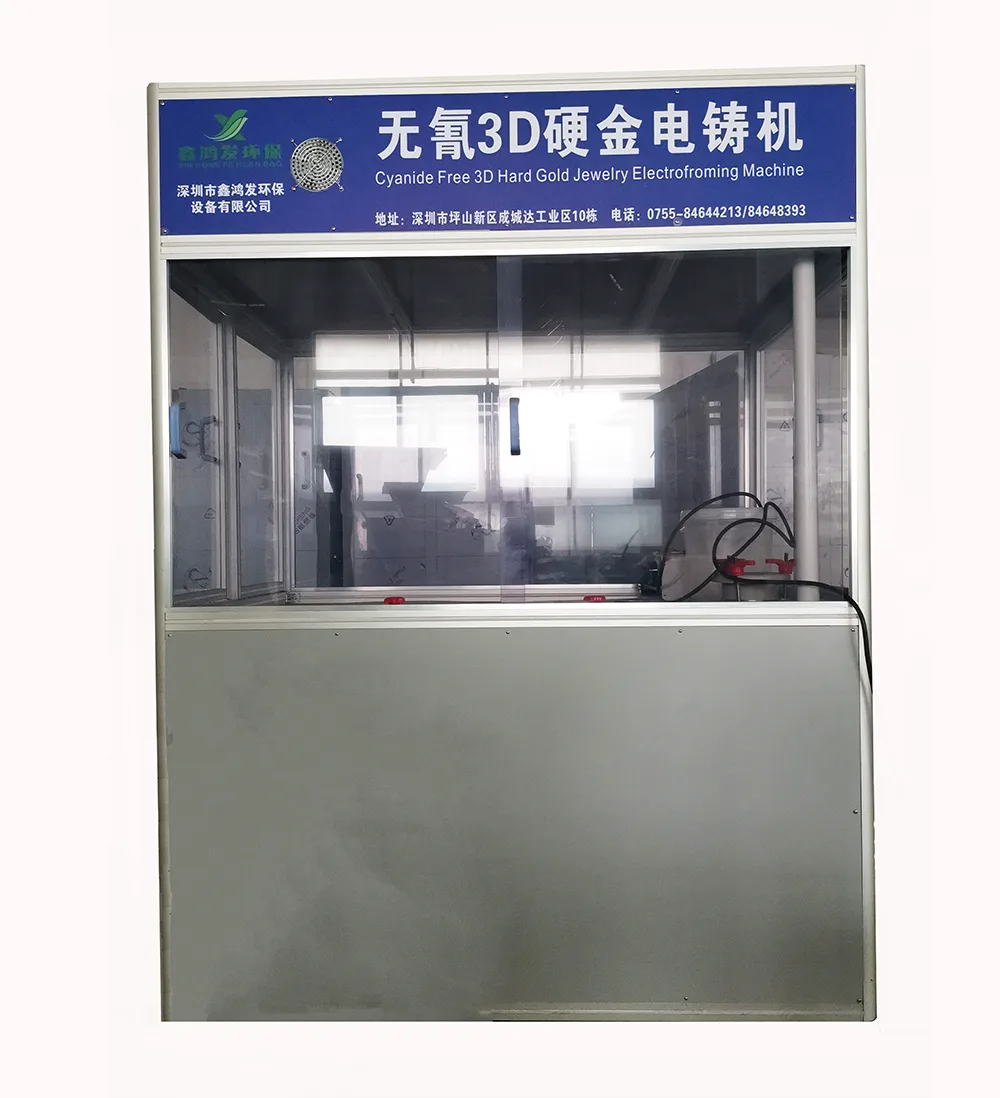
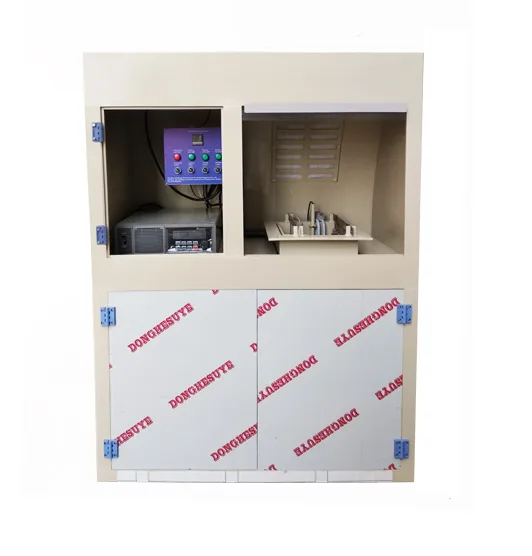
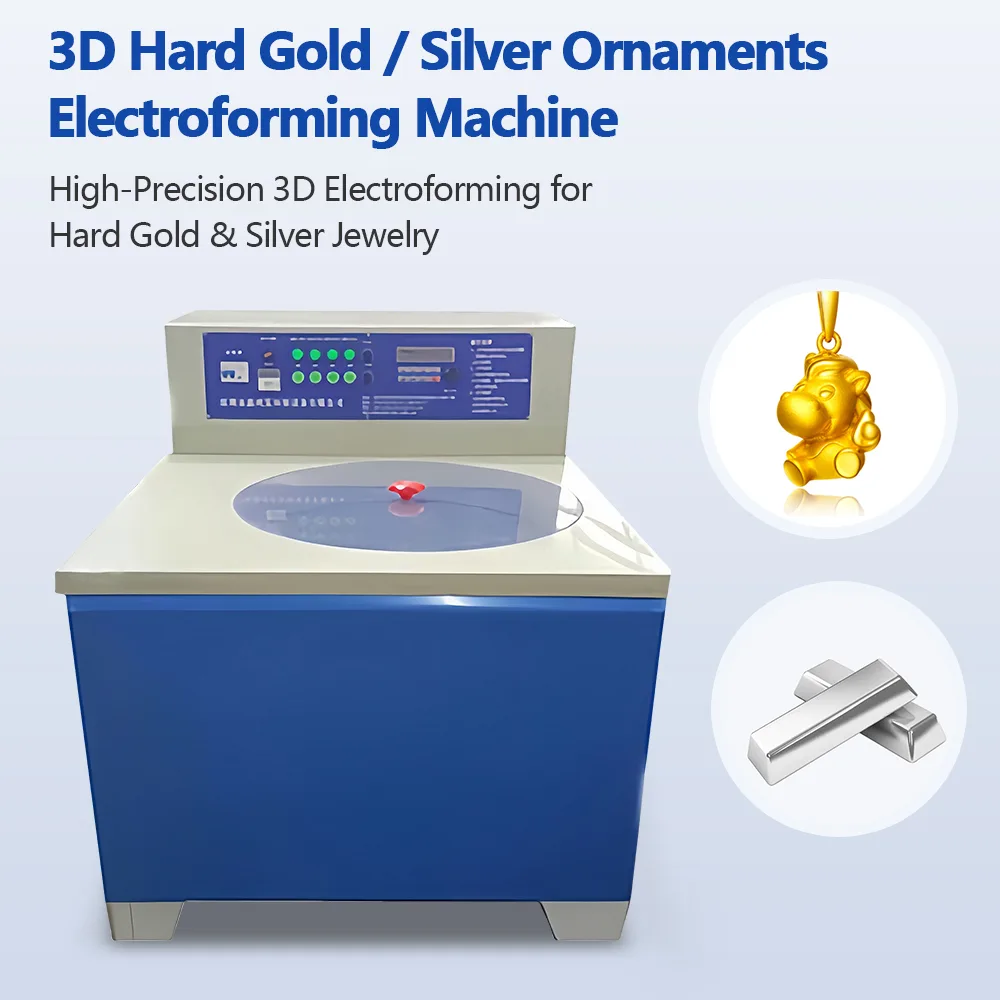
That is why the machine specification matters more here than in casting: temperature control accuracy of plus or minus 1 C, a precision rectifier at 50 A / 12 V, circulating filtration to keep the electrolyte uniform and low in impurities, and on the cyanide-free machine a PLC dosing pump that meters replenishment against the ampere-hour value actually consumed.