
5 Key Differences Between Marine Anchor Chain and Marine Mooring Chain
Marine anchor chain and marine mooring chain serve different roles in vessel security, and confusing them can compromise safety. This guide outlines the five key differences in purpose, design, load handling, corrosion resistance, and application to help procurement engineers and marine suppliers select the right chain for the right duty.
Purpose and Application
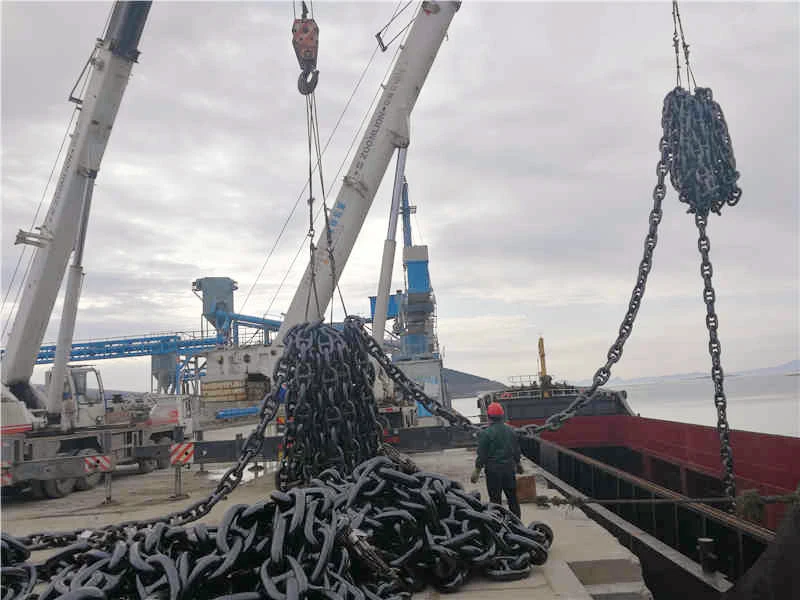
Marine anchor chains are designed to connect a vessel to its anchor and hold it in place on the seabed, resisting dynamic forces from waves, tides, and wind. Their primary role is to prevent dragging under variable conditions. Marine mooring chains, by contrast, secure a vessel to a fixed point such as a dock, buoy, or offshore mooring field. They are used for long-term or temporary berthing and must maintain a stable position relative to the mooring point. Confusing the two can lead to failure under the wrong load type, especially when a mooring chain is used in an anchoring role or vice versa.
Design and Construction
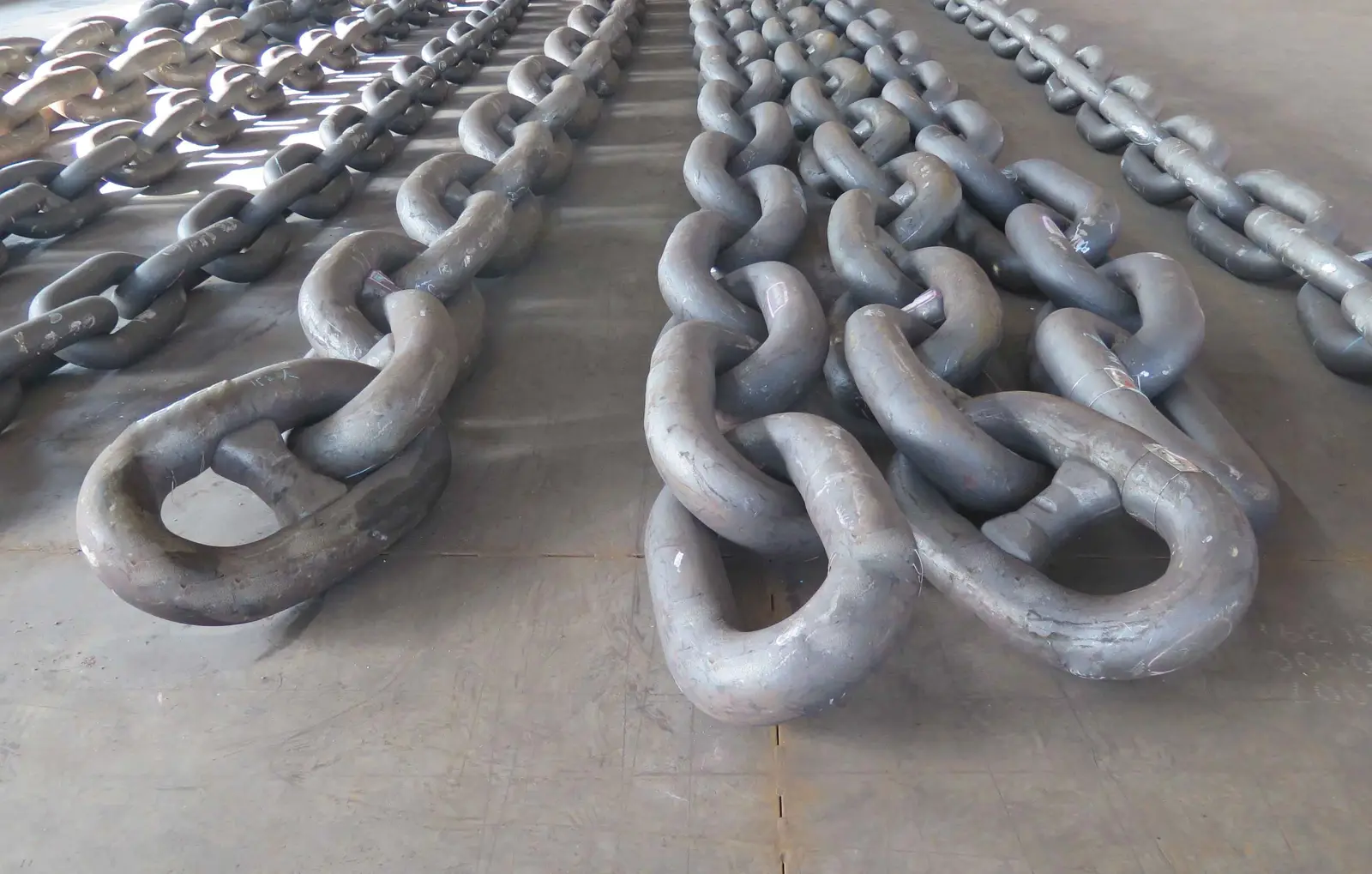
Anchor chains typically have a short-link design with robust, interlocking links to reduce tangling and resist twisting under high dynamic loads. They are made from high-grade steel with high tensile strength to handle shock and sudden movement. Mooring chains often feature longer links, which improve flexibility and ease of handling during deployment and retrieval. The design prioritizes long-term integrity over shock absorption. While both chains use high-strength materials, the link geometry and overall construction reflect their differing duties: anchor chains for dynamic resistance, mooring chains for static endurance and ease of use.
Lugless Joining Shackle - Kenter Link - End Shackle -Swivel Set
Load Characteristics
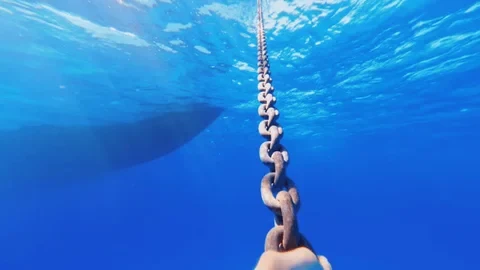
Marine anchor chains endure dynamic loads caused by vessel movement, wave action, and changing seabed conditions. They rely on chain weight and catenary to absorb shock and maintain tension. The chain's sag helps dampen sudden forces and prevents anchor drag. Mooring chains, however, are subjected primarily to static loads, with occasional dynamic input from wind and current. Their design focuses on maintaining a fixed position over time rather than absorbing shock. This difference means anchor chains are built for impact resistance, while mooring chains are built for sustained load retention and long-term stability.
Lugless Joining Shackle - Kenter Link - End Shackle -Swivel Set
Corrosion Resistance Requirements
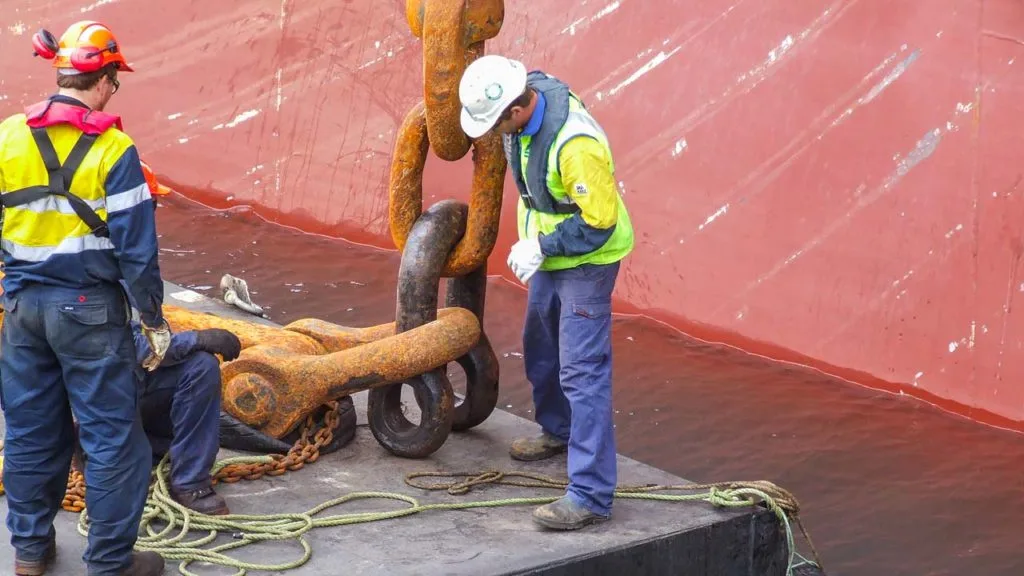
Marine anchor chains are frequently submerged and exposed to harsh seawater conditions, requiring strong corrosion protection. They are commonly galvanized or made from corrosion-resistant alloys to extend service life. Regular inspection and maintenance are essential. Mooring chains, especially those used in permanent installations, also require high corrosion resistance, but the exposure profile may vary. Chains in tidal zones or saltwater environments need the same protection, but those in sheltered marinas may see less aggressive degradation. Both types benefit from galvanization, but the frequency of inspection and maintenance schedules differ based on location and duty.
Kenter Link - Joining / End Shackle -Swivel Set
Typical Applications and Installation
Anchor chains are used on ships, offshore platforms, and vessels operating in open waters where anchoring is required. They are deployed from anchor windlasses and must withstand repeated tension cycles. Mooring chains are standard in harbors, marinas, offshore terminals, and fixed mooring fields. They are often installed with bollards, fairleads, or mooring winches and may be left in place for months or years. The installation method, storage, and handling procedures differ significantly between the two, with mooring chains often requiring more attention to alignment and wear points during long-term use.
Kenter Link - Joining / End Shackle -Swivel Set
How to Select the Right Chain for Your Project
When sourcing, confirm the intended duty: anchoring or mooring. For anchoring, select a chain with a short-link design, high tensile strength, and galvanized finish. For mooring, choose a chain with longer links, good corrosion resistance, and a design suited to static load retention. Always verify the chain grade-commonly Grade 43, Grade 70, or Grade 80-and ensure the marking is stamped on the links. Ask for a Material Test Certificate to EN 10204 3.1 with the batch. Never assume a chain is suitable for both roles; the design and load profile are not interchangeable.
Kenter Link - Joining / End Shackle -Swivel Set
Why Mixing the Two is a Safety Risk
Using a mooring chain in an anchoring role may result in inadequate shock absorption and premature failure under dynamic loads. Conversely, using an anchor chain for mooring may lead to unnecessary weight, handling difficulty, and over-engineering. The mismatched design can cause link deformation, increased wear, or failure at the connection point. In both cases, the chain's rating is not aligned with the actual load profile. A procurement engineer must verify the application before ordering, and a supplier should confirm the intended use and recommend the correct chain type.
Kenter Shackle - Anchor Chain Fittings
Ordering note. Marine anchor chains are for seabed anchoring and handle dynamic loads; marine mooring chains are for fixed-point mooring and handle static loads Anchor chains have short links and high tensile strength; mooring chains have longer links for flexibility and ease of handling Anchor chains rely on catenary and shock absorption; mooring chains focus on long-term integrity and corrosion resistance Both