
What Type of Manual Trailer Winches Can Be Divided Into?
Manual trailer winches vary by mechanism, duty and application. This guide breaks down the six main types available from Kailipu, what each one is suited for, and how to choose the right one based on load, terrain and control needs. No assumptions about performance or certification are made.
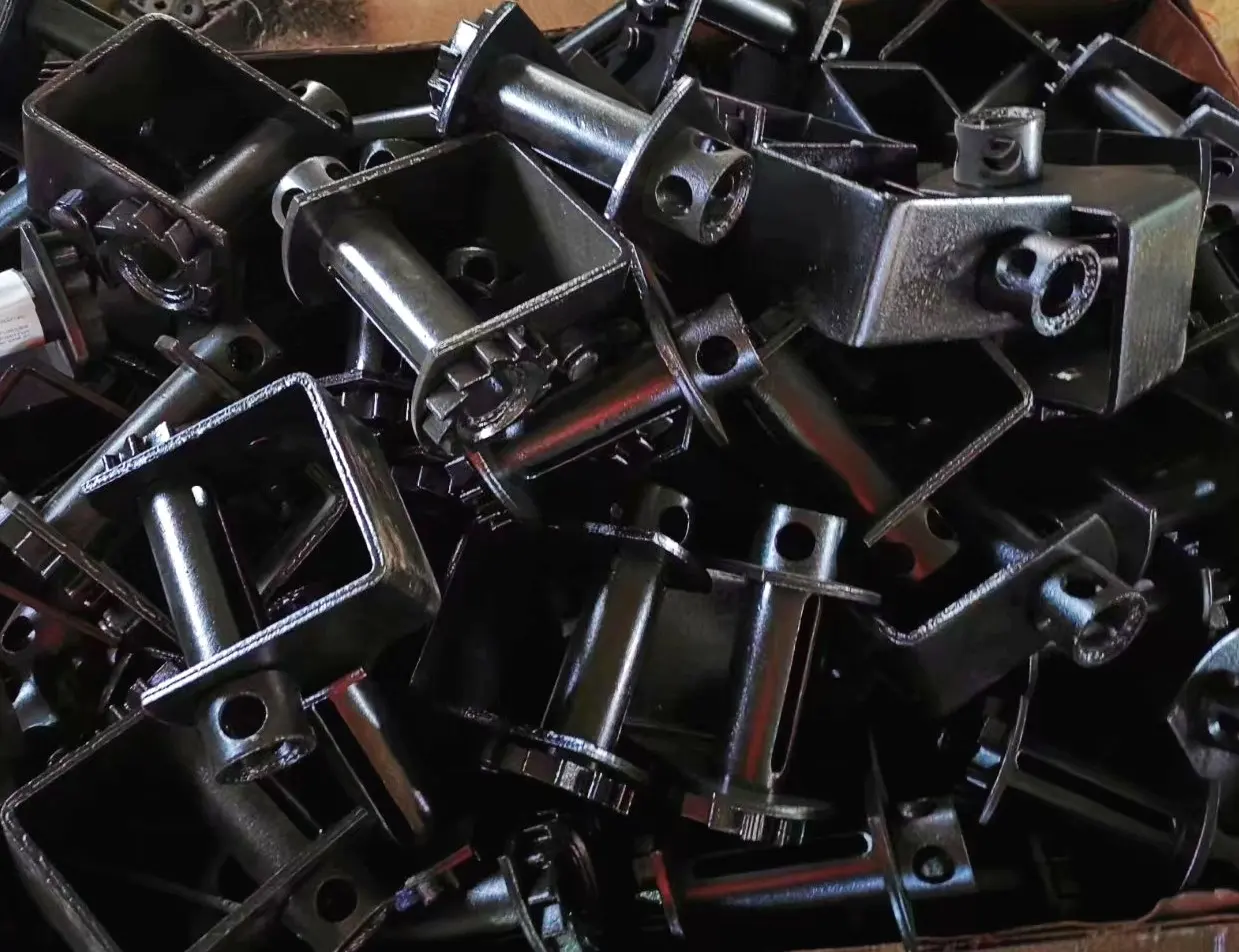
What Hand-Crank Winches Are
Hand-crank winches are the most common manual type, operated by turning a handle connected to a gearbox. The gearbox converts rotational input into linear motion to wind the cable or strap onto the drum. They are suitable for general-purpose hauling on flat or gently sloped terrain. Common applications include securing cargo on flatbed trailers, moving light machinery, and assisting with equipment loading. These winches are cost-effective and reliable for routine use, but lack built-in load-holding mechanisms, so they require constant operator attention during operation.
What Ratchet Winches Are
Ratchet winches feature a mechanical ratcheting system that locks the drum in place when the handle is released, preventing the load from slipping back. This makes them ideal for hauling heavy equipment like boats, ATVs, and construction tools where the load must be held mid-haul. The ratchet mechanism allows the operator to apply force in short bursts, reducing fatigue. These winches are commonly used in marine and off-road environments where load stability is critical and continuous cranking is impractical.
What Worm Gear Winches Are
Worm gear winches use a worm gear drive to deliver high torque at low speed. This design provides strong pulling power with minimal effort, making it suitable for heavy-duty tasks such as pulling boats onto trailers or moving equipment across rough or uneven terrain. The worm gear's self-locking nature helps hold the load in place without additional braking. These winches are typically used in demanding applications where consistent, controlled force is needed and where the operator cannot rely on friction alone to prevent slippage.
What Brake Winches Are
Brake winches include a mechanical brake system that allows the operator to control the speed of the load as it is wound onto the drum. This is essential in situations requiring precise control, such as lowering a heavy load or managing tension during a pull. The brake can be engaged manually or automatically depending on the design. These winches are used in applications where sudden release or uncontrolled descent could cause damage or injury, such as in industrial loading docks or when handling delicate equipment.
What Strap Winches Are
Strap winches use a nylon webbing strap instead of a steel cable. The strap is less likely to scratch or damage the surface of watercraft, trailers, or other sensitive equipment. They are commonly used for boats and other watercraft where hull protection is a priority. The strap is also lighter than cable, which reduces the overall weight of the winch system. However, straps have lower tensile strength than steel cable and are not recommended for high-load or repeated-duty applications. They are best suited for occasional use and lighter loads.
What Portable Winches Are
Portable winches are designed for easy transport and use in remote or temporary locations. They feature a lightweight, compact build and can be hand-powered, battery-powered, or engine-driven. Their mobility makes them ideal for field operations, emergency recovery, or jobsites without fixed infrastructure. These winches are often used in agriculture, construction, and off-grid recovery scenarios. The portability comes at the cost of reduced pulling capacity compared to fixed-mounted models, so they are best for moderate loads and short-distance pulls.
How to Match Winch Type to Application
The right winch depends on load weight, terrain, control needs, and surface sensitivity. Use hand-crank winches for light, routine hauling on stable ground. Choose ratchet winches when load holding is essential. Opt for worm gear winches when high torque and slow, steady pull are needed. Use brake winches when speed control is critical. Select strap winches to protect delicate surfaces like boat hulls. For remote or mobile operations, portable winches offer the best flexibility. Always match the winch's rated capacity to the load and ensure the mounting system can handle the forces involved.
How to Source from Kailipu
Kailipu supplies manual trailer winches with direct factory sourcing, allowing customization based on customer drawings or specifications. We can manufacture any of the six types listed, including custom tonnage ratings, mounting configurations, handle length, and finish. All winches are built to standard design factors and tested for proof load. Material Test Certificates are available upon request. We handle export documentation and offer free inspection before shipment. For a full system, we can quote winch, mounting bracket, and cable or strap together to ensure compatibility.
Ordering note. Hand-crank winches use a gearbox to convert handle rotation into linear motion; best for routine, light-duty hauling Ratchet winches hold the load in place when the handle is released; ideal for hauling boats and heavy equipment Worm gear winches deliver high torque at low speed; suited for heavy-duty pulling on rough terrain Brake winches allow controlled speed during winding; required when preci