
How to Choose a Boat Anchor
Choosing the right boat anchor is not about picking the strongest model on the shelf. It is about matching the anchor type to the seabed, the boat size, and the intended use. This guide breaks down five proven strategies to ensure maximum stability and reliable holding power in real-world marine conditions.
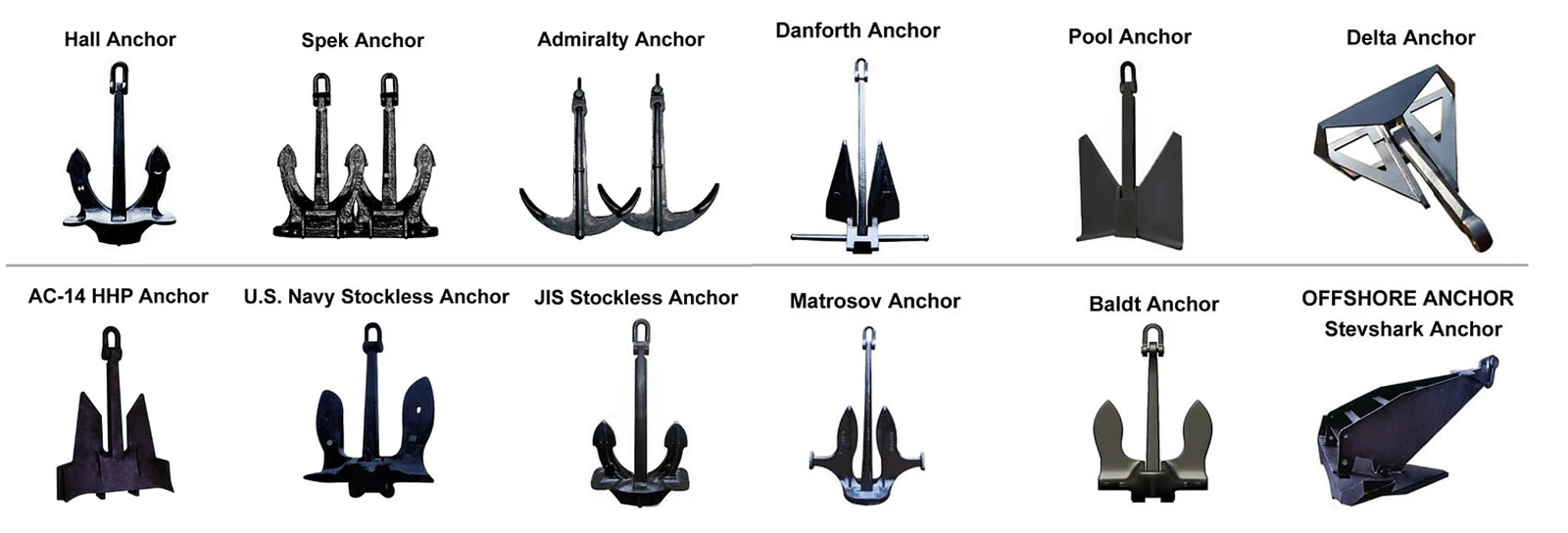
Understand the Anchor Types and Their Best Uses
Each anchor type is engineered for specific seabed conditions and vessel duties. Fluke (Danforth) anchors excel in soft bottoms like sand and mud due to their wide fluke design that digs in quickly. Plow (CQR) anchors are designed for versatility across sand, mud, and gravel, with a strong holding pattern that self-rights after dragging. Claw (Bruce) anchors grip irregular surfaces such as rock and coral, making them ideal for variable seabeds. Mushroom anchors are suited only for small boats and permanent moorings in soft silt or mud, where their high holding power in low currents is effective. Delta anchors offer a self-righting design and strong performance in mixed seabeds, though they may carry a higher price point. Knowing the intended environment is the first step in choosing the right anchor.
Match the Anchor to the Seabed Type
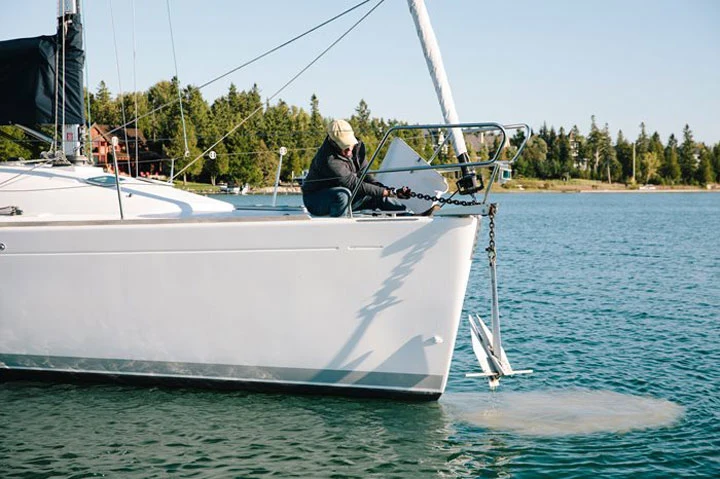
The seabed composition directly affects how well an anchor sets and holds. In sandy or muddy bottoms, fluke and delta anchors provide excellent penetration and holding power. For rocky or coral areas, claw anchors are preferred because their shape allows them to grip uneven surfaces. Gravel and mixed bottoms suit plow anchors, which can drag and re-set effectively. Using an anchor not suited to the seabed results in poor holding, dragging, or failure to set. Always assess the bottom type before anchoring. If you're unsure, use a depth sounder or consult local marina staff for seabed composition in your anchorage area.
Size the Anchor by Boat Length and Weight
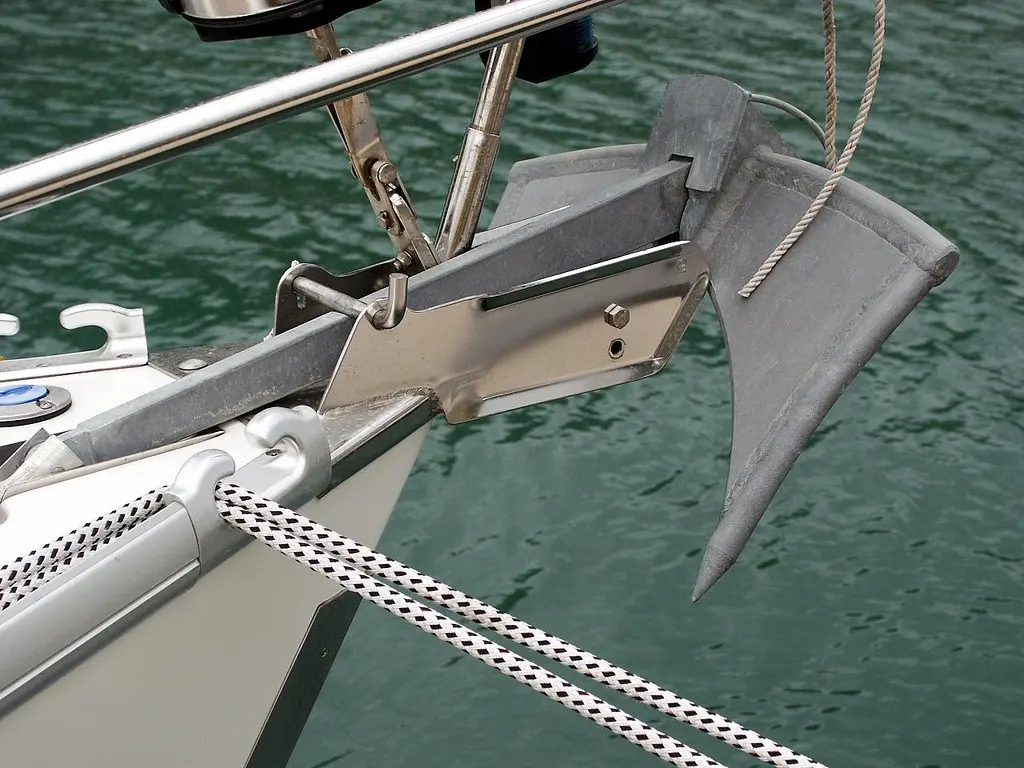
An anchor must be proportionate to the boat's size and displacement. A small boat under 27 feet typically requires a fluke anchor for adequate holding in soft bottoms. Medium-sized boats between 28 and 35 feet benefit from plow or delta anchors due to their higher holding power and versatility. Larger vessels need heavier anchors, often of the plow or claw type, to resist wind and current forces. Manufacturer guidelines based on boat length and weight are the best starting point. Avoid using an anchor that is too small, as it may not hold in moderate conditions, or too large, which can make handling difficult and increase the risk of damage during deployment.
Consider the Rode and Chain Configuration
The anchor rode-whether rope, chain, or a combination-plays a critical role in stability. Chain provides weight and abrasion resistance, especially in rocky bottoms, and helps keep the anchor shank at the optimal angle for setting. Rope is lighter and easier to handle but less durable in abrasive conditions. A hybrid rode with chain at the anchor end and rope for the rest is common on medium to large boats. The length of the rode should be at least 7 to 10 times the depth of the water to allow for a low scope angle, which improves holding. Always match the rode material and length to the anchor type and expected weather conditions.
Evaluate the Anchor's Deployment and Retrieval Practicality
An anchor must not only hold but also be manageable during use. Claw and mushroom anchors are bulkier and harder to stow on smaller boats. Fluke anchors are lightweight and compact, making them easier to store but less effective in rocky areas. Plow anchors are heavier and may require a dedicated anchor locker or winch. Consider the weight and size of the anchor when handling it manually or with a windlass. For frequent use, a lighter anchor with good holding power is preferable. For long-term mooring or heavy-duty use, a heavier anchor with proven performance in the expected seabed is more reliable.
Avoid Common Sizing and Type Mistakes
One of the most frequent errors is oversizing the anchor for a small boat. A large anchor on a 20-foot vessel is difficult to handle, increases the risk of damage to the boat's bow, and may not set properly due to insufficient weight. Conversely, using a fluke anchor on a rocky seabed leads to poor holding and frequent dragging. Another mistake is assuming that a more expensive anchor is always better. The right anchor is the one that matches the boat, the seabed, and the intended use. Always verify the anchor's grade and finish-marine-grade steel with hot-dip galvanizing or zinc plating is standard for corrosion resistance in saltwater environments.
How to Confirm the Anchor is Suitable Before Purchase
Before ordering, confirm the anchor's rated holding power in the expected seabed type and the chain or rode compatibility. Ask the supplier for the anchor's weight, material grade, and finish. Check whether it is stamped with the manufacturer's mark and whether it meets marine standards such as EN 1492-2 or DIN 741 for marine chain. For offshore or commercial use, ensure the anchor is designed for continuous exposure to saltwater and dynamic loads. If you are sourcing from a supplier like Kailipu, request a Material Test Certificate for the batch and confirm that the anchor is proof load tested and breaking strength validated.
Ordering note. Match anchor type to seabed: fluke or delta for sand and mud, claw for rock, plow for mixed or gravel Size anchor by boat length and weight—small boats under 27 feet typically use fluke, medium boats 28–35 feet use plow or delta Use chain at the anchor end for abrasion resistance, especially in rocky areas; rode length should be 7 to 10 times water depth Avoid oversizing for small boats—lighter an