

What a Mold DFM Study Should Contain
The ten items we put in every DFM we send, and what each one is there to prevent.
Why the DFM is the cheapest document in the project
Every change costs more the later it is made. A gate position moved on a drawing costs an email. The same gate moved after the cavity is finished costs a weld insert and a week. The DFM exists to force those decisions into the window where they are still cheap, which is before fabrication starts.
The ten items
A JEC DFM covers basic project and product information (part number and name, steel and resin material, injection machine specification), the injection system with detailed pictures of the gating, the main mold layout with dimensions, the product main parting lines and the split lines of the inserts, draft angle analysis and product thickness study, the ejection layout and concept, the cooling sketch layout, the product surface finish review, and the part and steel tolerance review. Anything else you require is added to the same document.
Read the gating section first
The gating pictures tell you where the weld lines will be. If your part has a visible face, check that the flow fronts meet somewhere you can accept before you look at anything else.
Then read draft and thickness together
Draft angle and wall thickness are the two items that most often come back as a part change rather than a tool change. Reviewing them in the same sitting is how you find the corner that has no draft because the wall was thinned late in the design.
Treat it as a record, not a formality
The DFM is the document both sides refer back to when something is disputed during the build. Comment on it in writing.
Tooling and Parts Behind This Guide
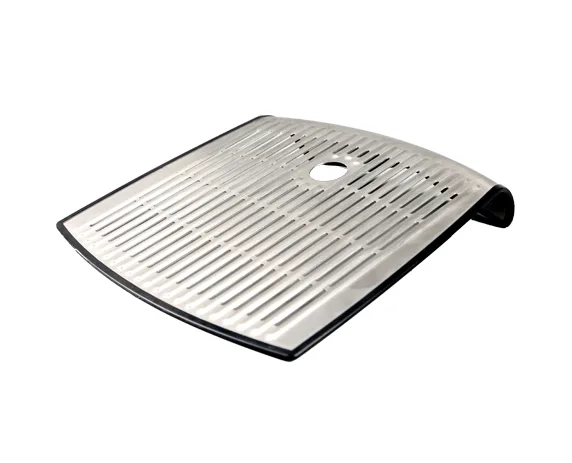
Two Shot Ribbed Panel
Curved panel combining a rigid frame with a ribbed contrast surface in one tool.
View details →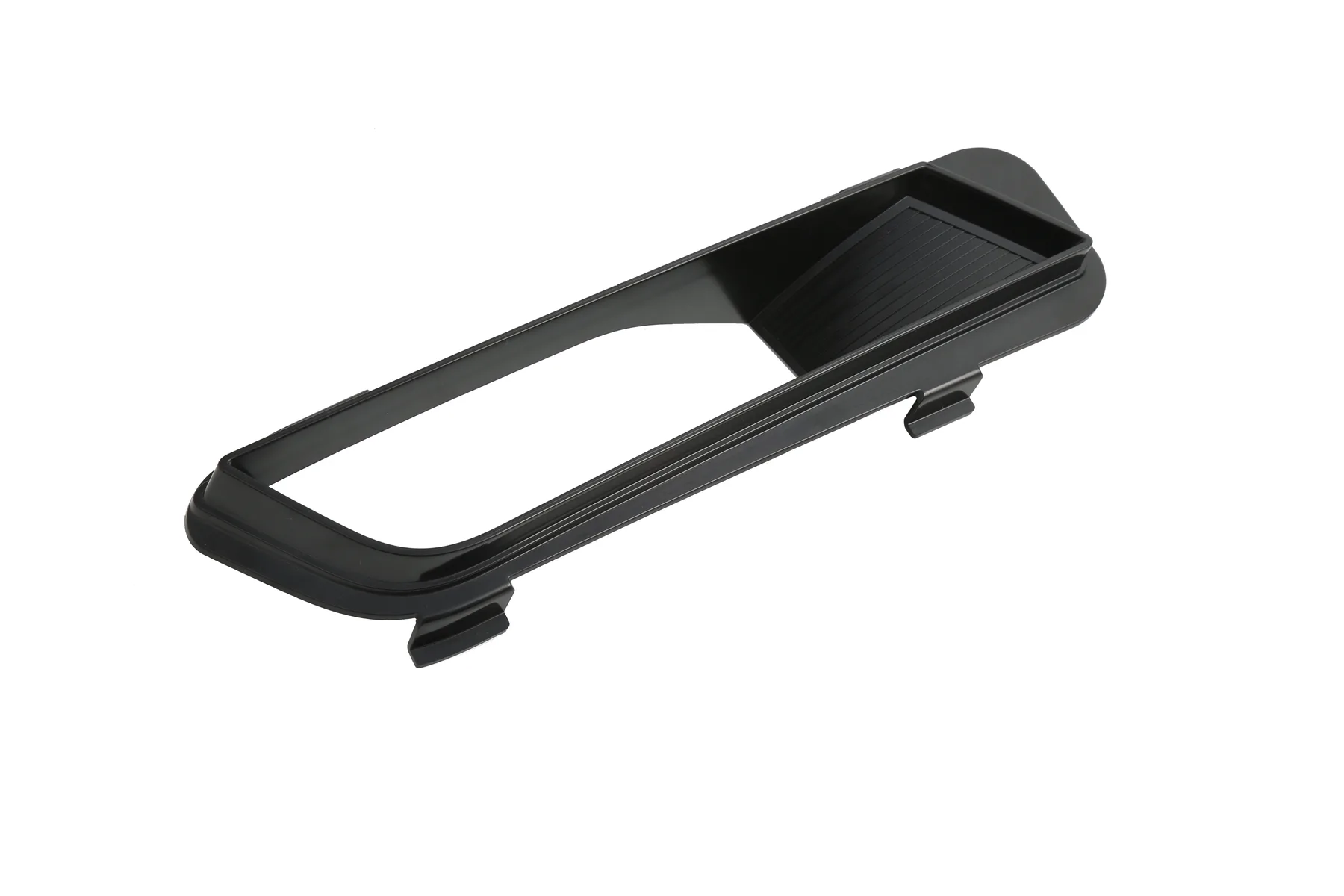
Automotive Interior Trim Bezel
Slim black bezel frame with a molded-in clip rail and a Class-A visible face.
View details →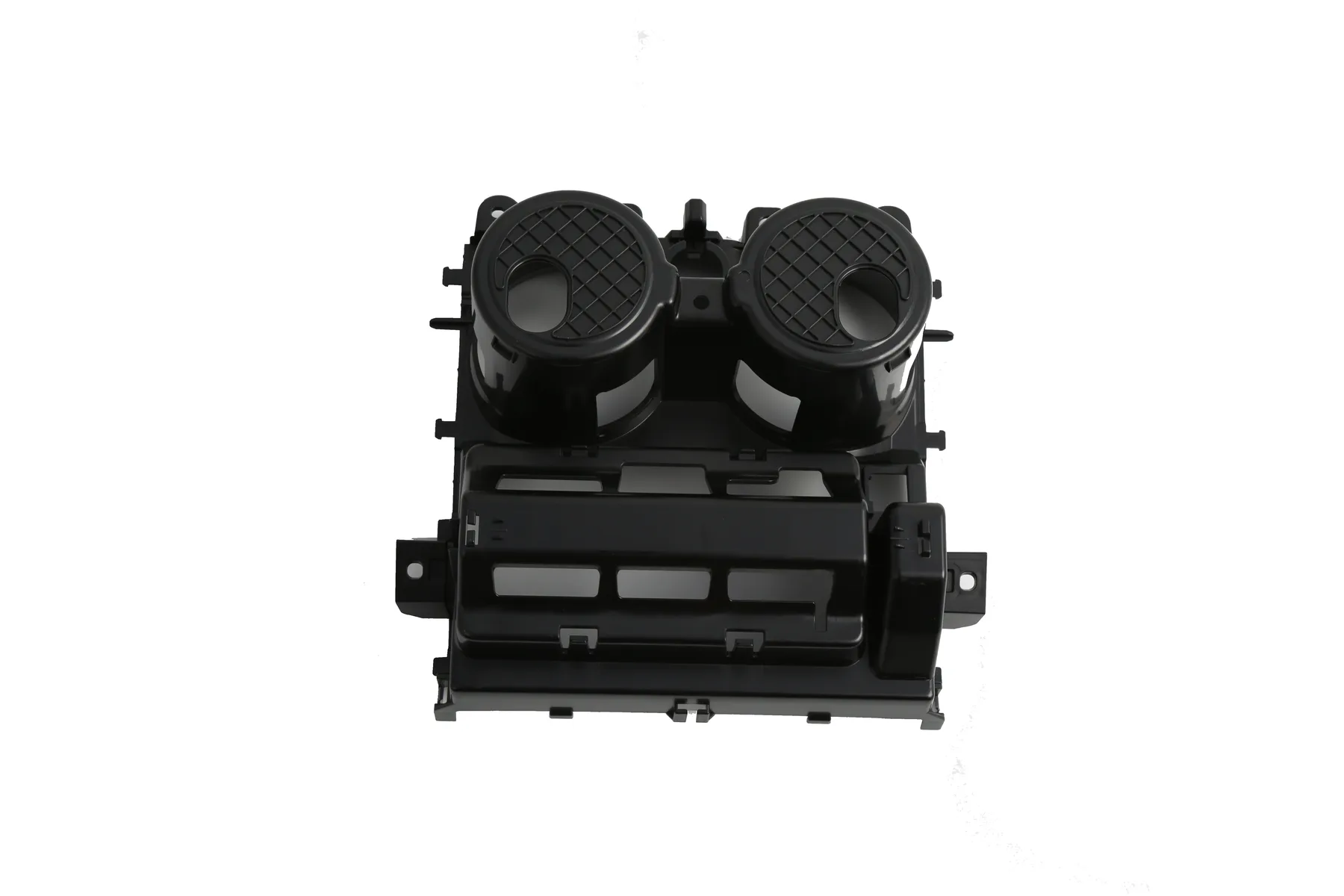
Automotive HVAC Air Vent Register
Black vent register with twin circular barrels, louvre frame and a ducted rear body.
View details →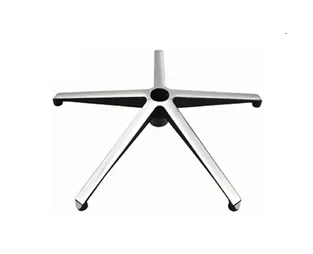
Die Cast Aluminum Five Star Chair Base
Polished five-arm base casting with castor sockets and a central column bore.
View details →Other Guides
What MoldFlow Analysis Actually Catches
Filling, packing, warpage, cooling — what each stage of the analysis is looking for.
Mold Standards DME HASCO Meusburger and MISUMI
Why the standard you name in the purchase order decides how your tool is maintained for the next ten years.
Two Shot Molding Versus Overmolding
Both put two materials on one part. The difference is where the first shot sits when the second one arrives.
Mold Trials and FAI Reports
What you should receive when a tool is tried, and what to do with it.
Why Mold Motion Simulation Is Worth the Time
For complex tools, watching the mold open step by step finds the collisions a static model hides.
Choosing Between a Prototype Mold and a Production Mold
A prototype tool answers a different question. Buying the wrong one wastes the whole stage.
About This Guide
Who is this guide written for?
Buyers and engineers specifying injection mold tooling in Asia. It reflects how we work at JEC Mold rather than a generic textbook process.
Can you apply this to our project?
Yes. Send the 3D data, the resin and the annual volume and a professional quotation with technical comment comes back within two working days.
Where can I see the tools and parts referred to here?
All seventy-one parts and tools we show are on our products page, grouped by category, with the tooling route on each product page.
Apply This to Your Own Tool
Send the part and the volume and we will comment on it directly in the quotation, within two working days.