
What MoldFlow Analysis Actually Catches
Filling, packing, warpage, cooling — what each stage of the analysis is looking for.
Four stages, four different questions
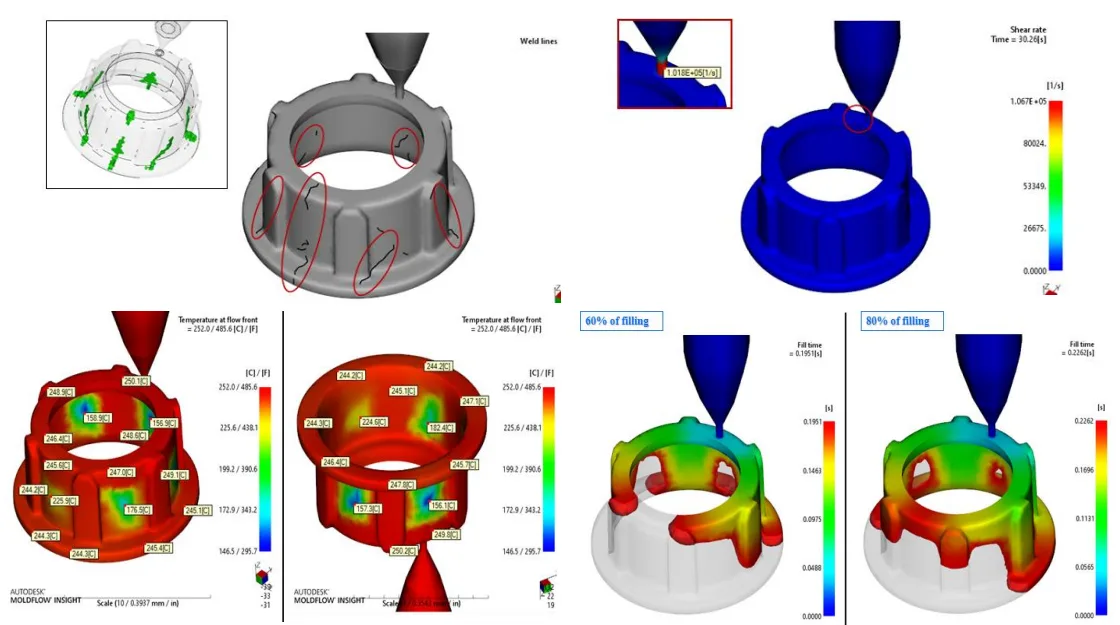
A practical MoldFlow study runs filling, then packing, then warpage, then cooling. They are not four views of one result; each stage answers a different question and each one can fail on its own.
Filling
Filling shows how the cavity fills and where the flow fronts meet. That meeting point is your weld line, and on a visible part it is a cosmetic decision, not a technical one. Filling also shows where the part is being filled last, which is where short shots will appear if the process drifts.
Packing
Packing shows how pressure is held on the part after the cavity is full. Sink marks over ribs and bosses are a packing result before they are a cooling result.
Warpage
Warpage is the stage that matters most on large thin parts such as appliance covers and base panels. A part can fill perfectly and pack perfectly and still bow far enough to fight its own fixings.
Cooling
Cooling is run last but it is the stage that changes the tool the most, because the cooling layout is designed from this result rather than from convention. On a mass production mold this is the difference between a cycle time you quoted and a cycle time you can hold.
Where it does not help
Analysis does not replace a trial. It removes the predictable failures so that the trial is spent on the unpredictable ones.
Tooling and Parts Behind This Guide
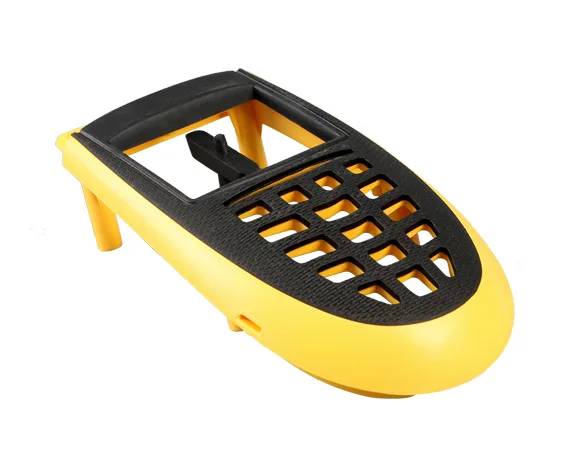
Two Shot Handheld Terminal Housing
Handheld terminal front housing molded in a yellow shell with a black keypad frame.
View details →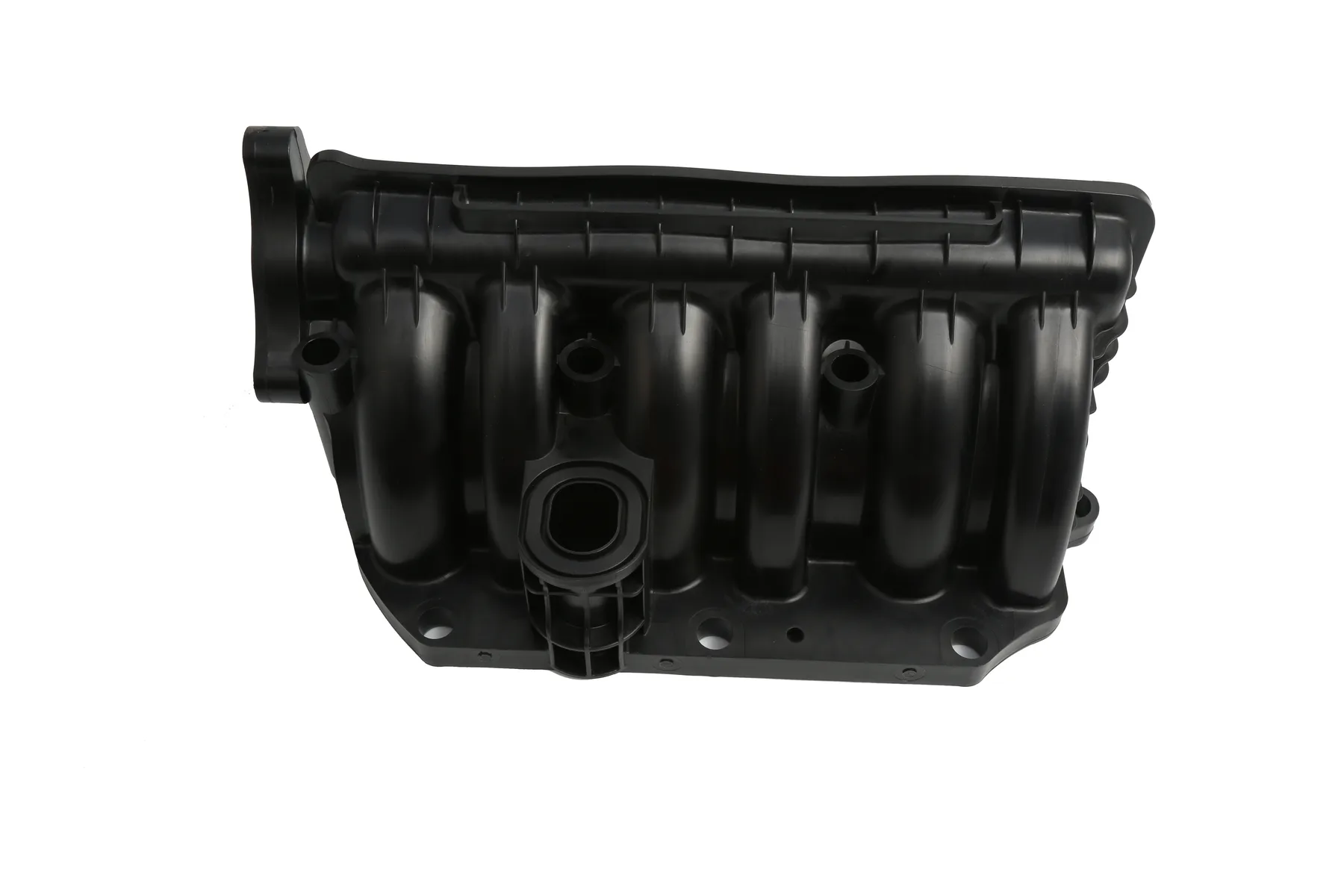
Automotive Intake Manifold
Long black manifold body with plenum, runner ports and bolt flanges in a single molding.
View details →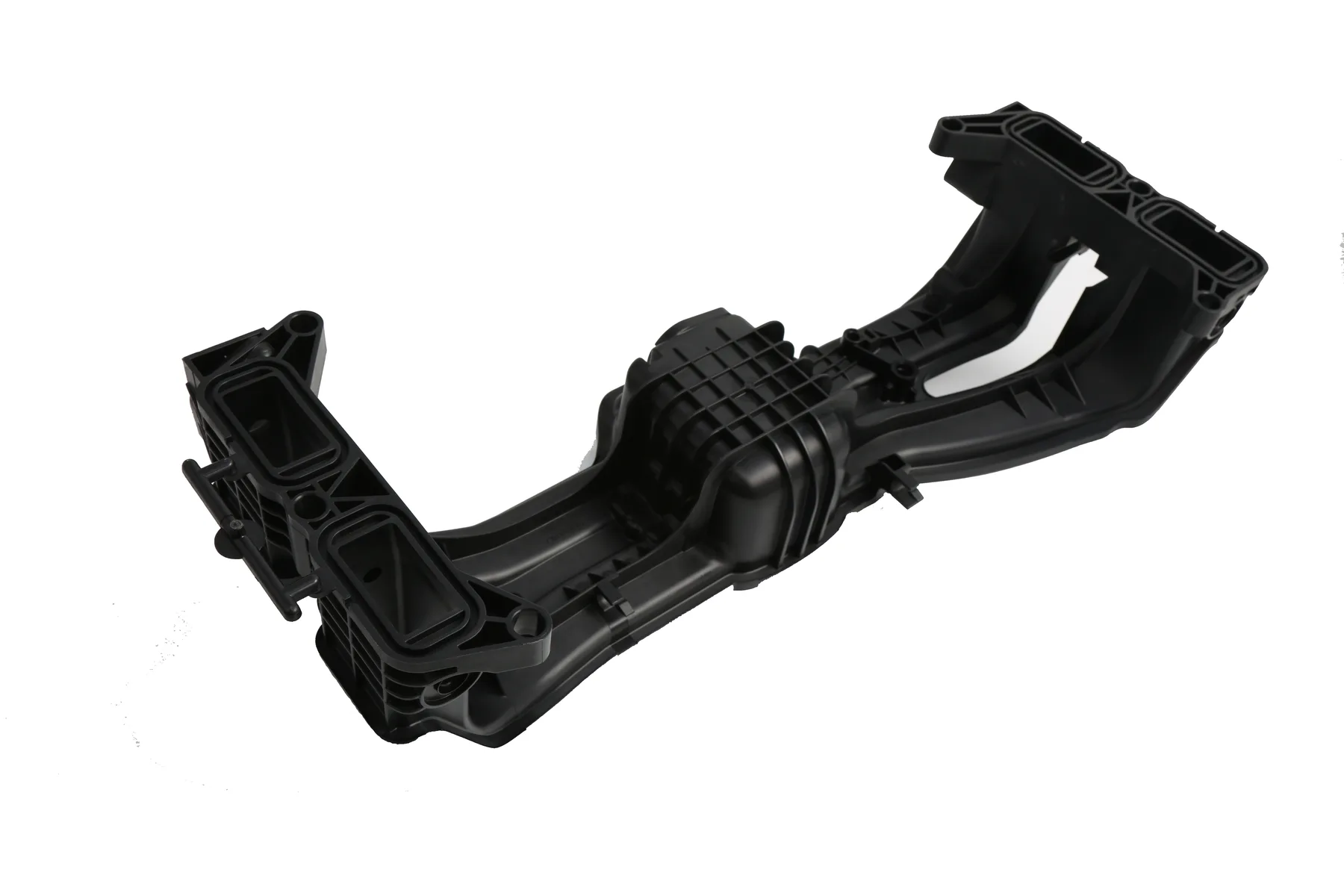
Automotive Under Hood Bracket Assembly
Wide structural bracket with a corrugated conduit run and molded-in retaining clips.
View details →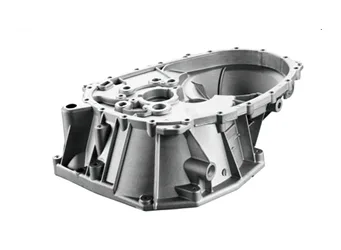
Die Cast Aluminum Gearbox Housing
Complex cast housing with bearing bores, a sealing flange and a full bolt pattern.
View details →Other Guides
What a Mold DFM Study Should Contain
The ten items we put in every DFM we send, and what each one is there to prevent.
Mold Standards DME HASCO Meusburger and MISUMI
Why the standard you name in the purchase order decides how your tool is maintained for the next ten years.
Two Shot Molding Versus Overmolding
Both put two materials on one part. The difference is where the first shot sits when the second one arrives.
Mold Trials and FAI Reports
What you should receive when a tool is tried, and what to do with it.
Why Mold Motion Simulation Is Worth the Time
For complex tools, watching the mold open step by step finds the collisions a static model hides.
Choosing Between a Prototype Mold and a Production Mold
A prototype tool answers a different question. Buying the wrong one wastes the whole stage.
About This Guide
Who is this guide written for?
Buyers and engineers specifying injection mold tooling in Asia. It reflects how we work at JEC Mold rather than a generic textbook process.
Can you apply this to our project?
Yes. Send the 3D data, the resin and the annual volume and a professional quotation with technical comment comes back within two working days.
Where can I see the tools and parts referred to here?
All seventy-one parts and tools we show are on our products page, grouped by category, with the tooling route on each product page.
Apply This to Your Own Tool
Send the part and the volume and we will comment on it directly in the quotation, within two working days.