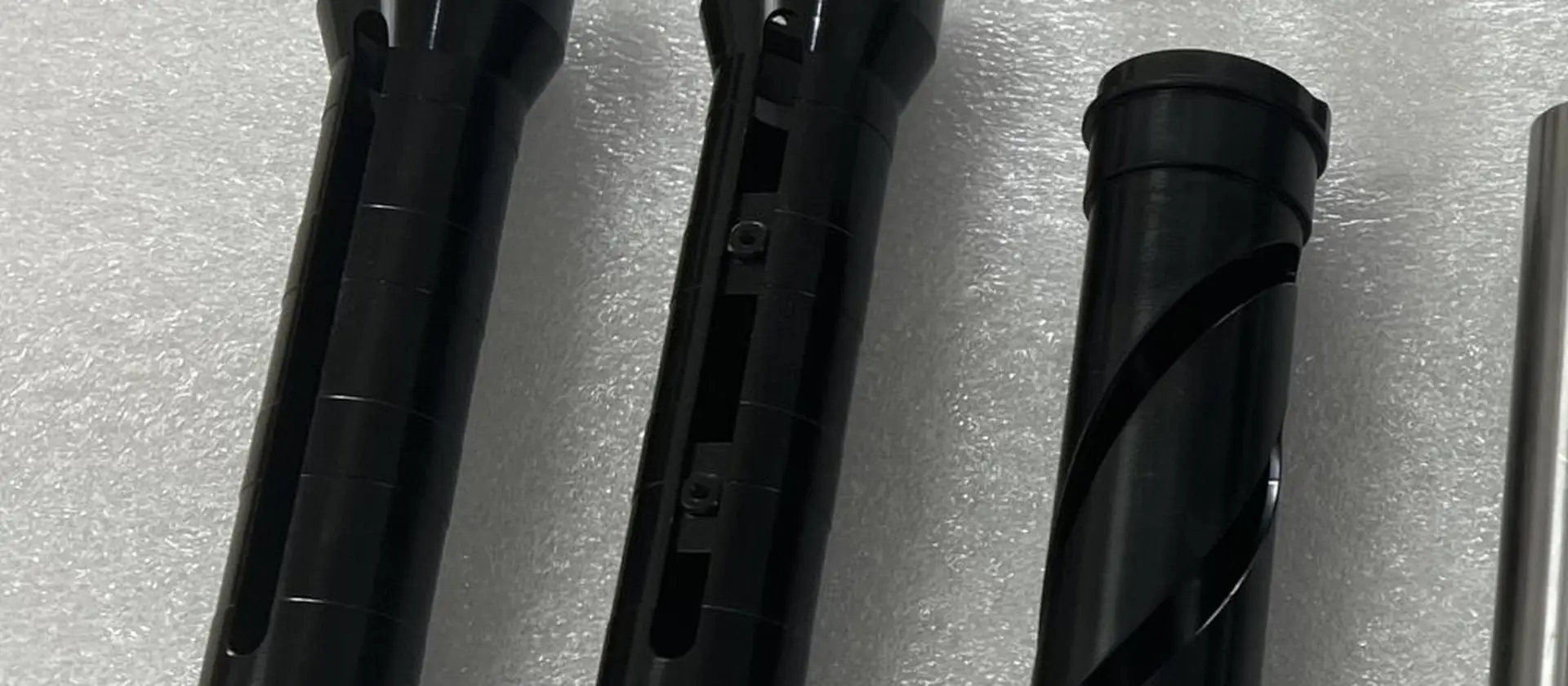
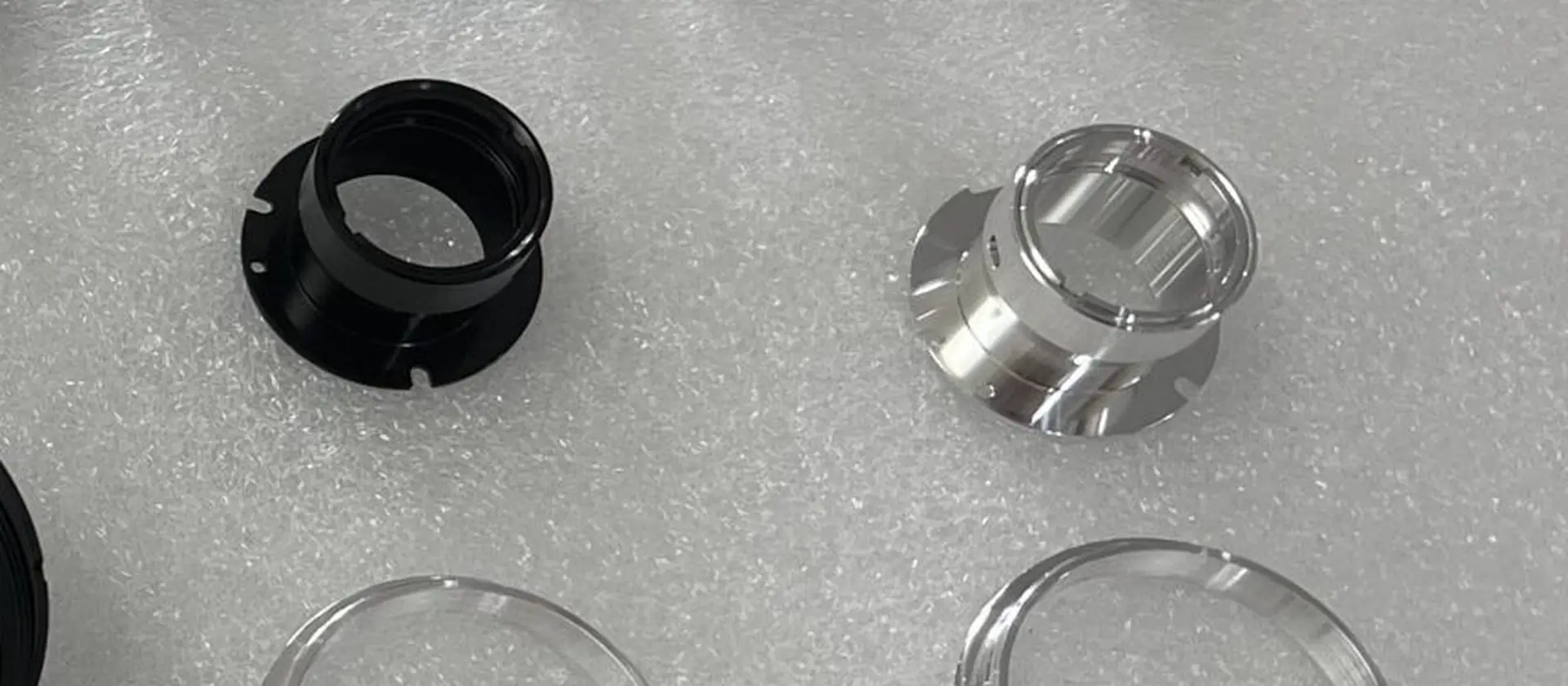
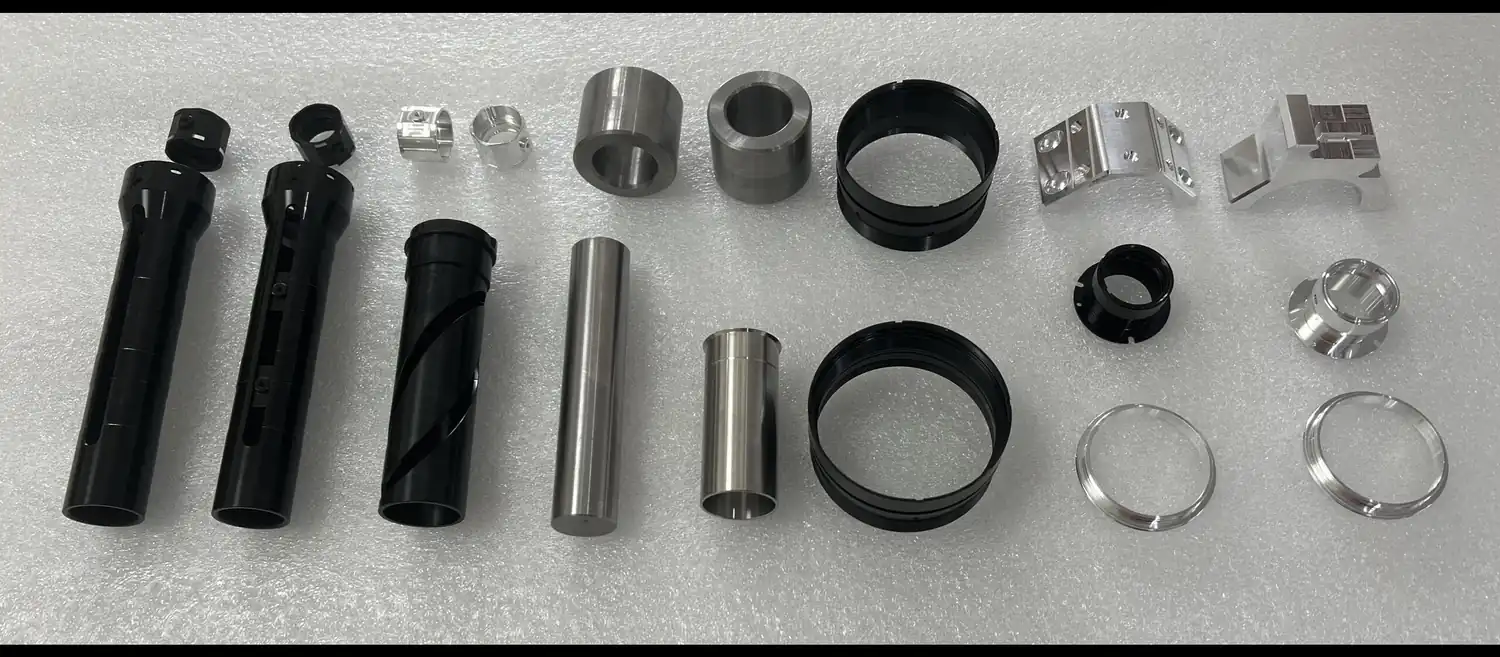
Yiwu Hongpin machines production fixtures, inspection jigs and made-to-drawing components in stainless steel, aluminium alloy and engineering plastic.
Eight part families, all machined to customer prints. None of them are catalogue items, because the whole point of them is that the catalogue size was the wrong size.
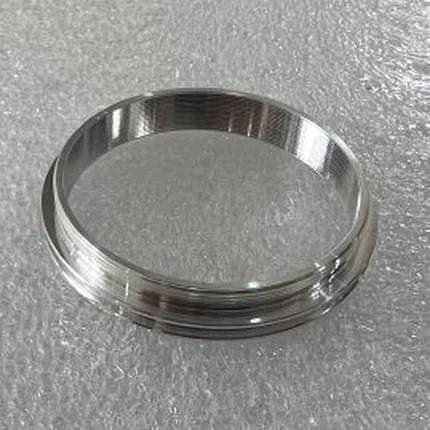
A turned ring that joins two tube or housing sections and holds them concentric while the assembly is fastened.
View The Part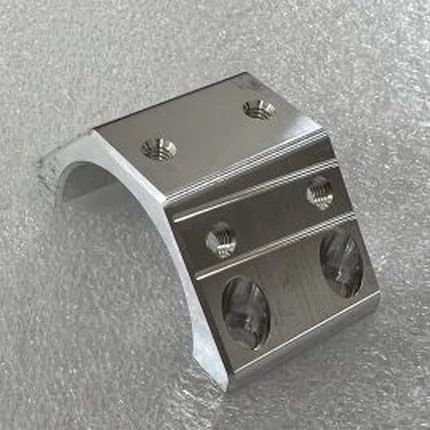
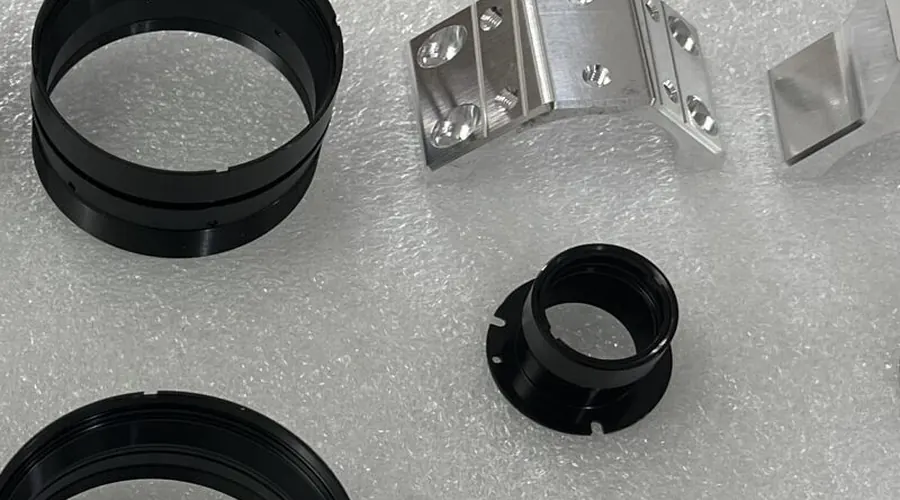
A curved saddle block that clamps a round tube down onto a flat surface with four fasteners.
View The Part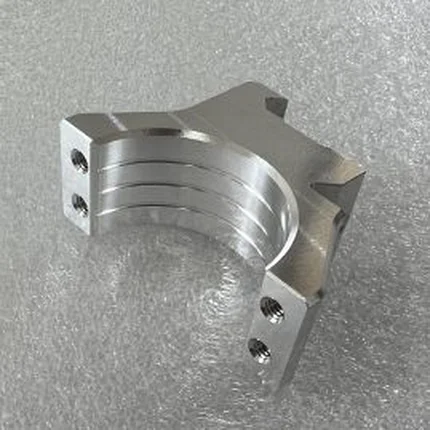
A slotted clamp block that closes around a captive tube and grips it without needing access from above.
View The Part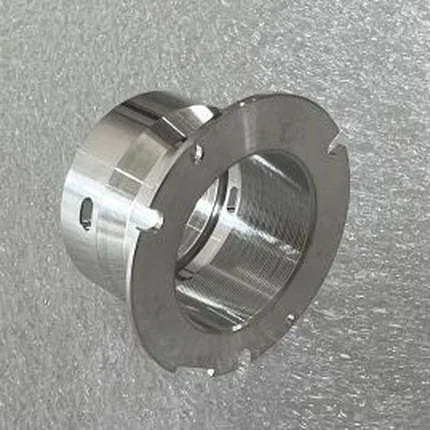
A flanged spigot that plugs into a tube end and gives the assembly a shoulder to register against.
View The Part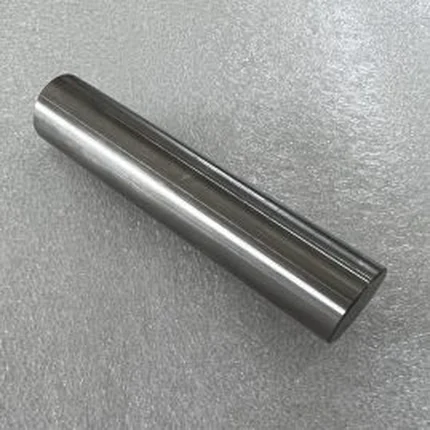
A turned and finished shaft that runs in a bearing or a bushing and holds its diameter along the whole working length.
View The Part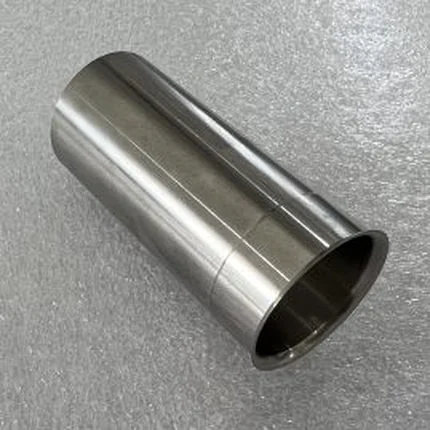
A turned sleeve that carries a shaft, sets the running clearance and takes the wear instead of the housing.
View The Part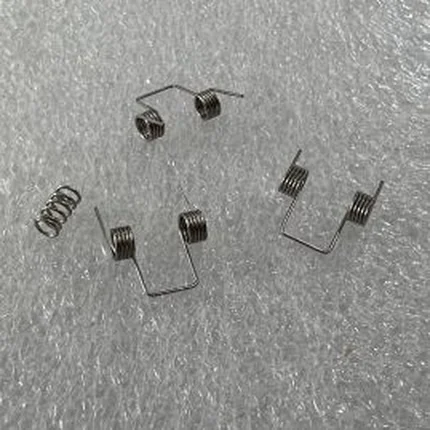
Torsion springs and formed wire parts made to drawing for mechanisms that have to return, latch or hold.
View The Part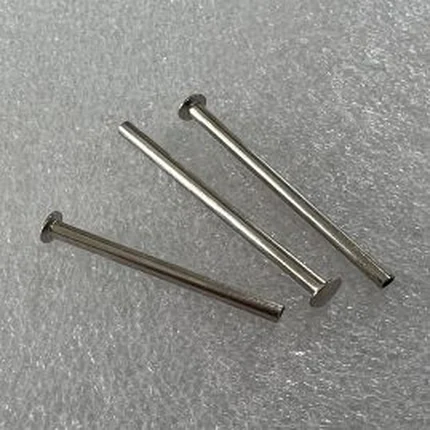
Headed pins and solid rivets turned to drawing, for joints that have to locate as well as fasten.
View The PartGrouped by what the part has to do, not by which machine cut it.
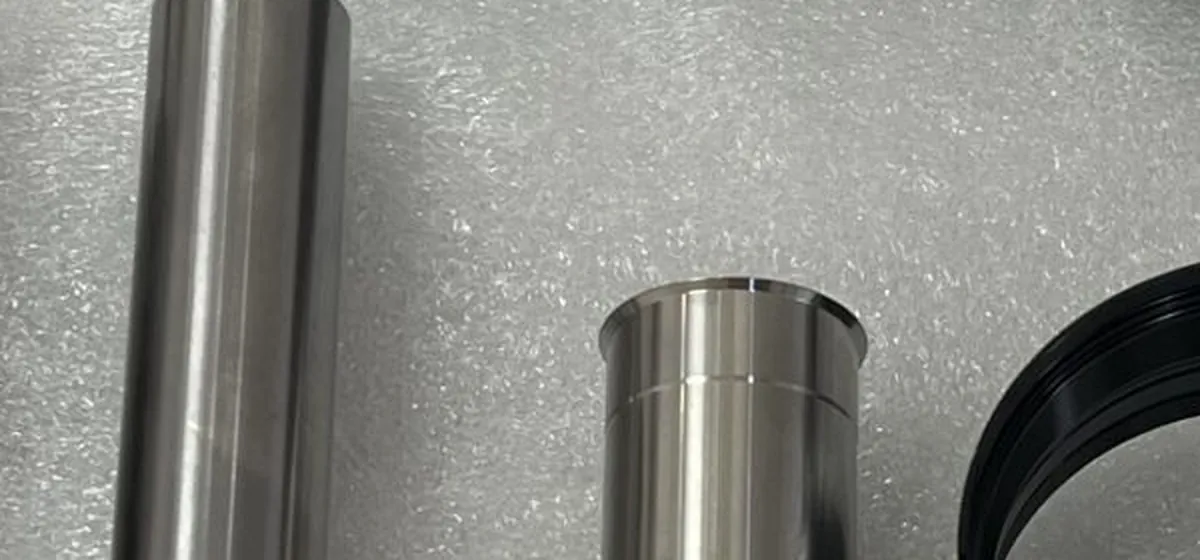
Shafts bushings and rings turned to your drawing, where the working dimension is a diameter and a finish.
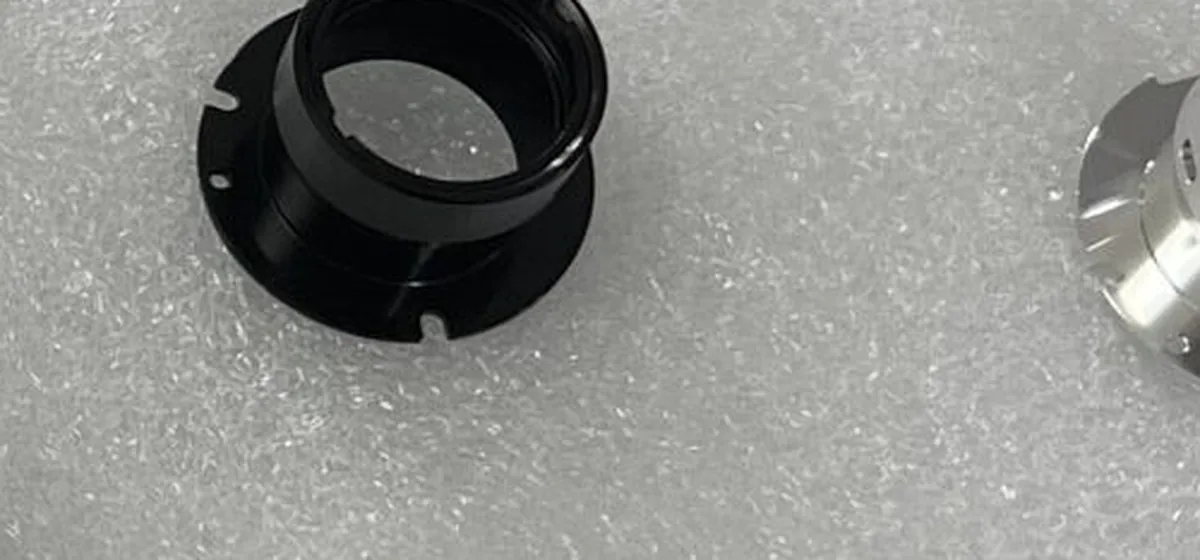
Clamps and connectors milled and turned to hold round tube exactly where your assembly needs it.
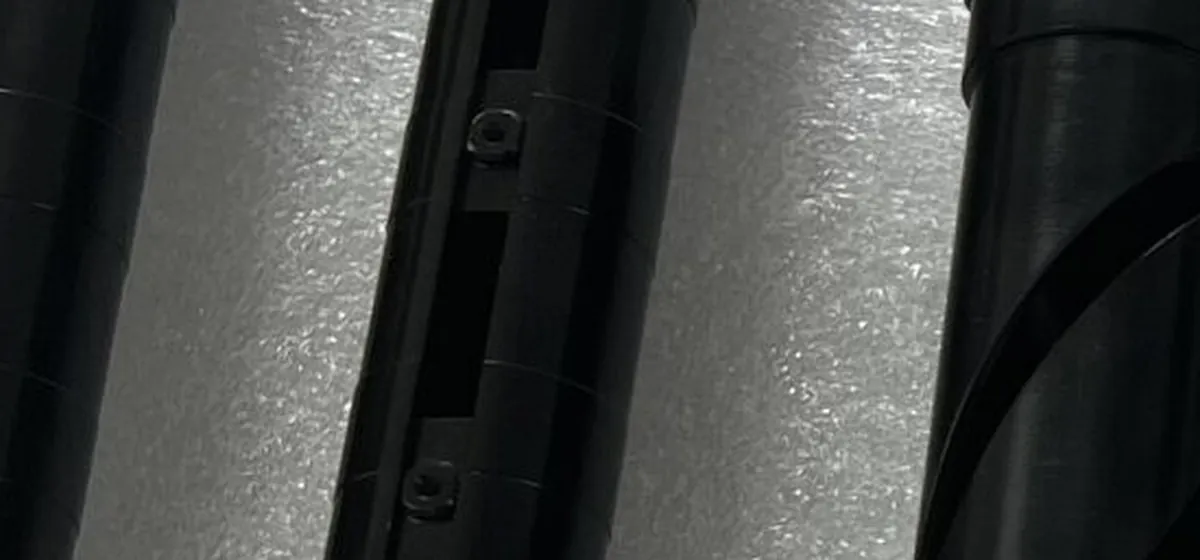
Torsion springs wire forms rivets and dowel pins made to drawing when stock ranges do not reach.
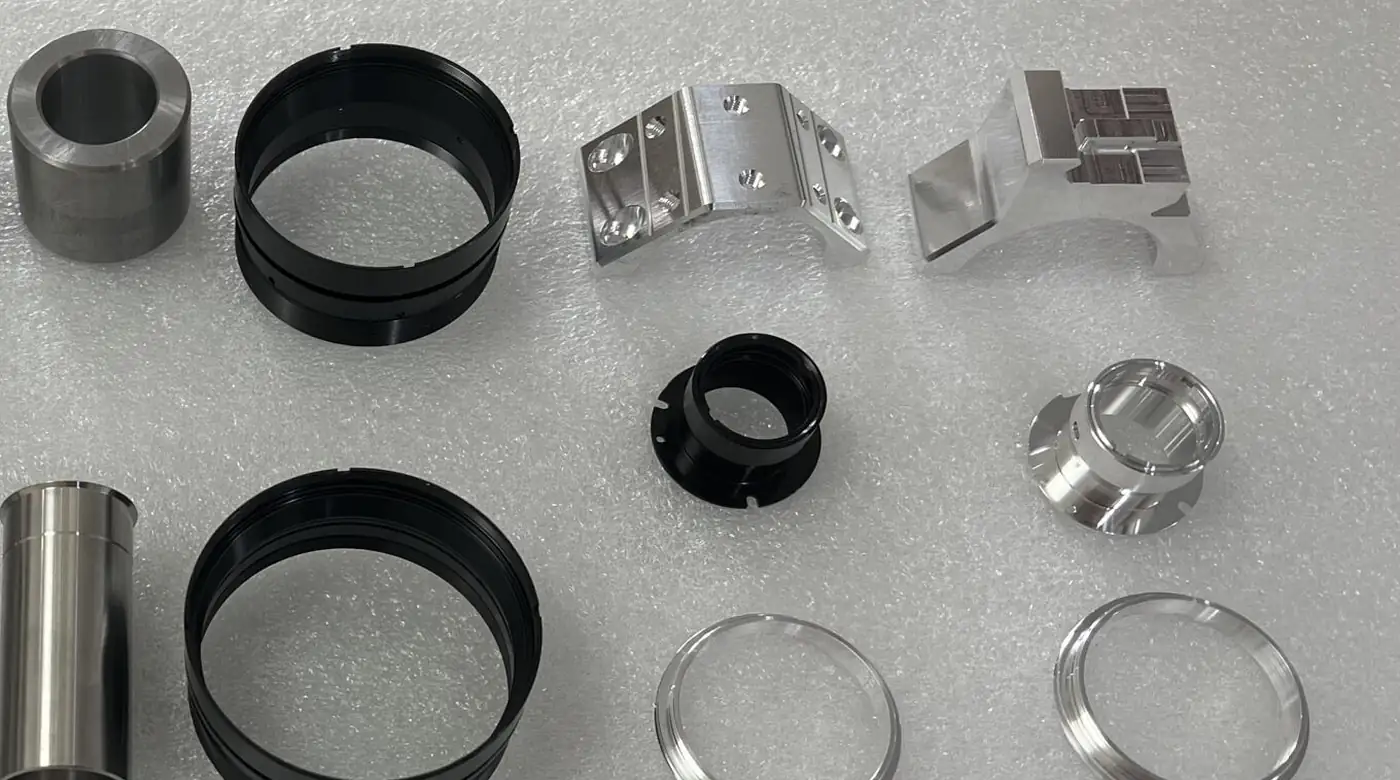
Parts machined to customer prints in stainless steel and aluminium alloy.
A catalogue component that nearly fits brings adaptors, shims and secondary machining with it, and every one of those is a new tolerance stack and a new thing to get wrong on the line.
The fixture work and the part work feed each other. The same bushings and locating pins that go into a customer assembly go into the fixtures that build it.
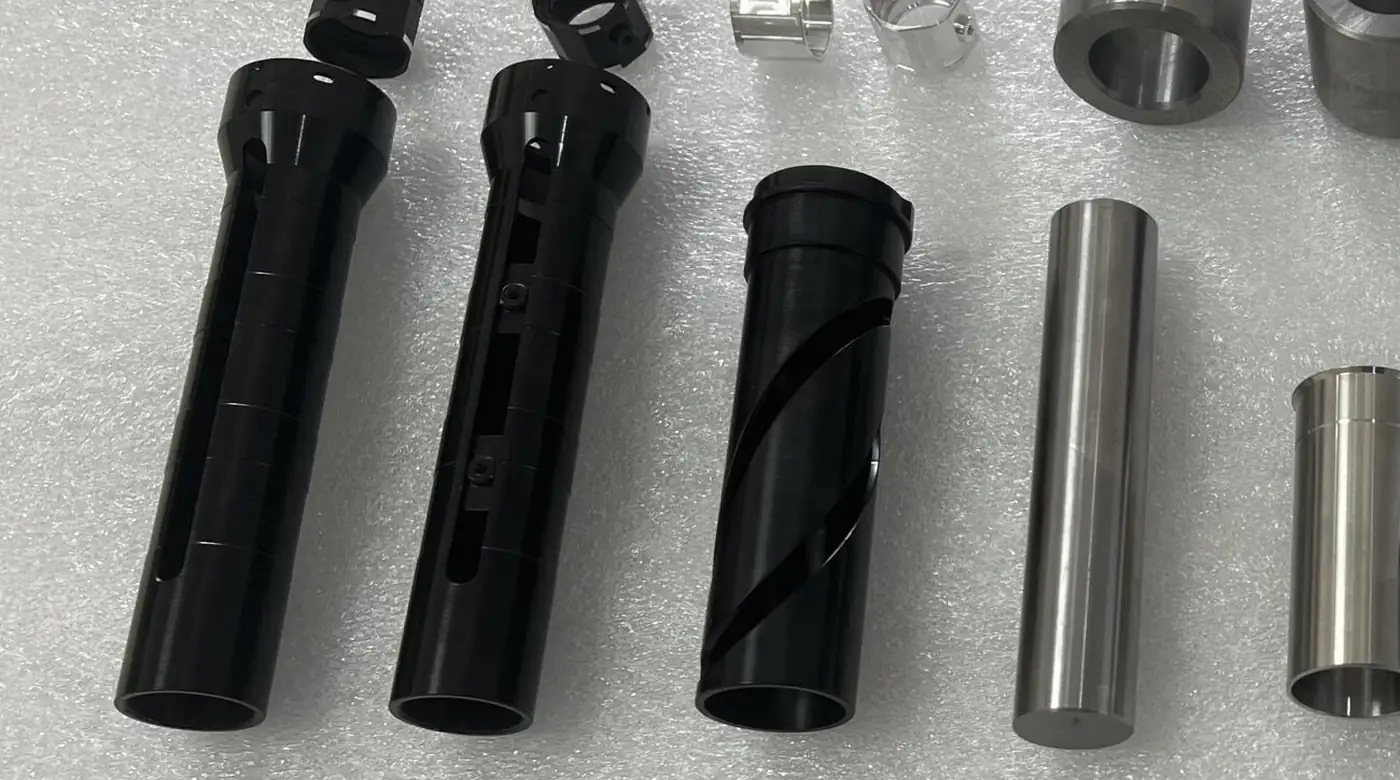
Fixtures that hold the part the same way every time so the process result stops depending on the operator.
Read More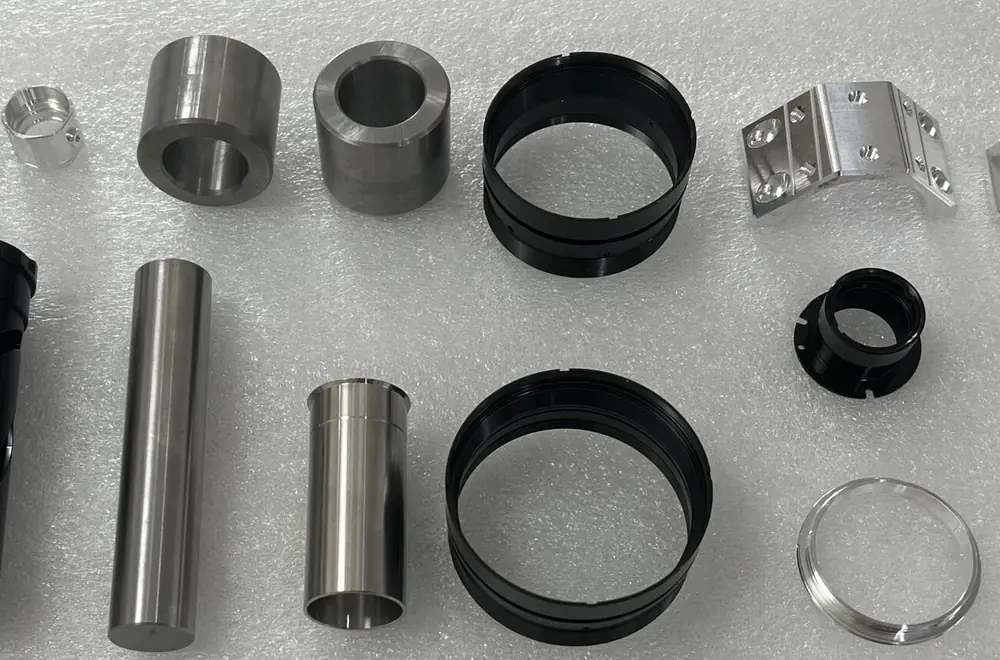
Jigs and check fixtures that turn a drawing tolerance into a decision an operator can make in seconds.
Read More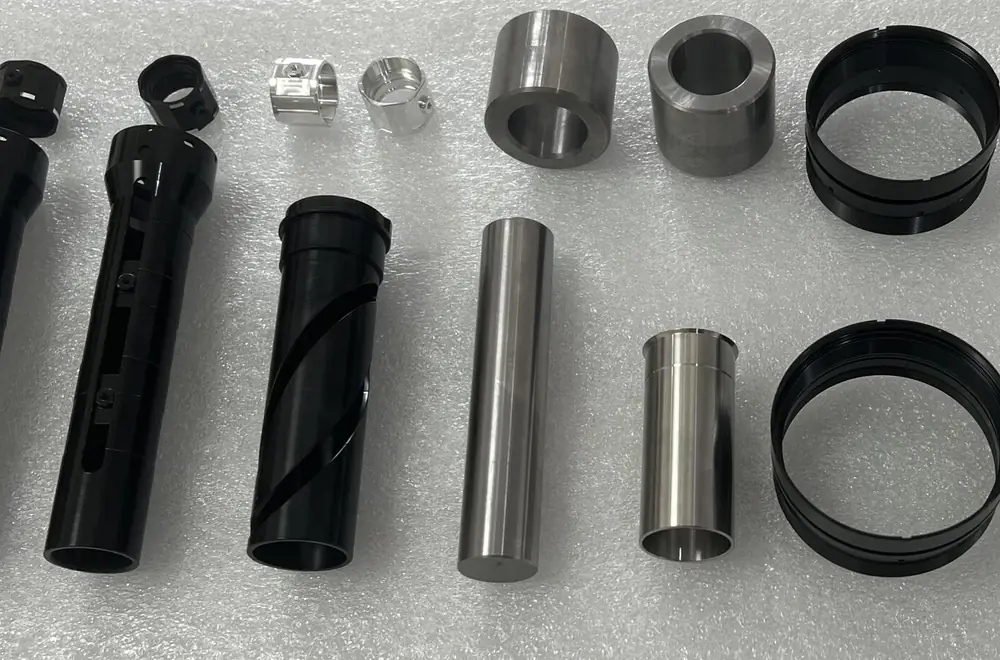
Send the print. Parts come back in stainless steel aluminium alloy or engineering plastic.
Read More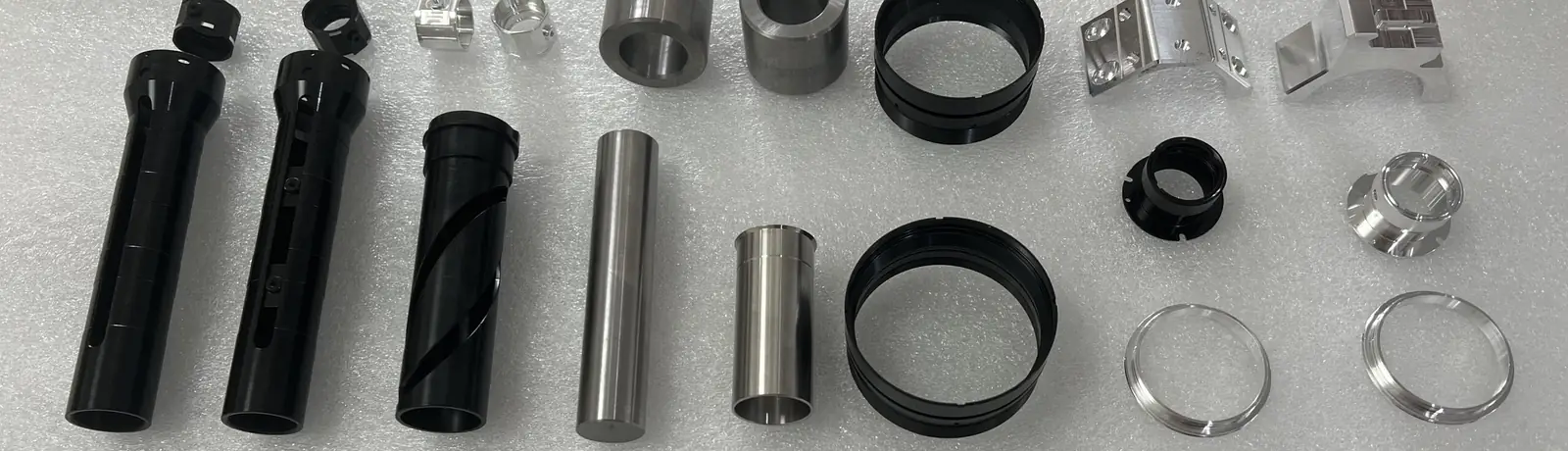
No enquiry system, no account to open, no minimum that suits the supplier rather than the job. A drawing, a material, a quantity and a sentence about what the part does is enough to get a price back.
What the part touches, what it carries and who lifts it usually decide the material on their own.
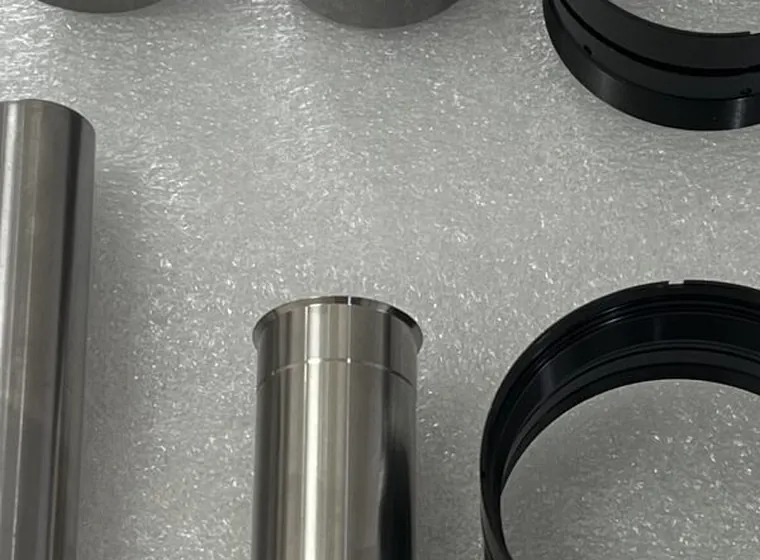
Chosen when the part has to resist corrosion carry load or survive washdown.
When To Specify It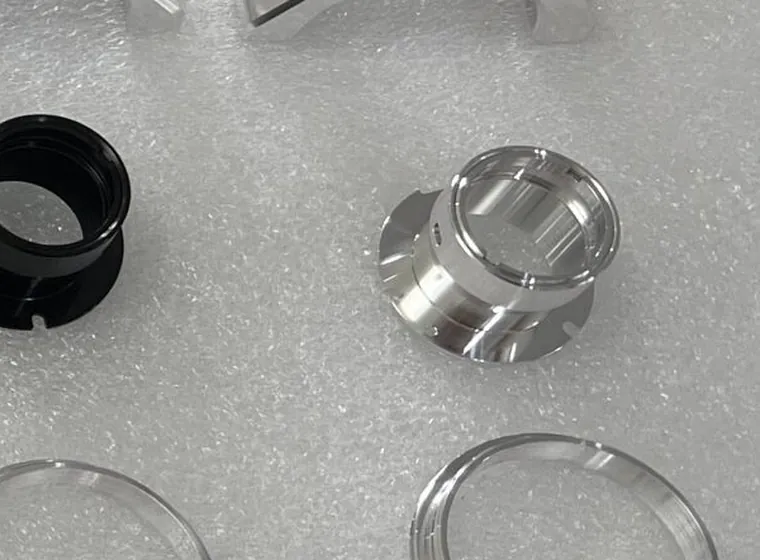
Chosen when weight matters when the part is handled often or when cost per part has to come down.
When To Specify It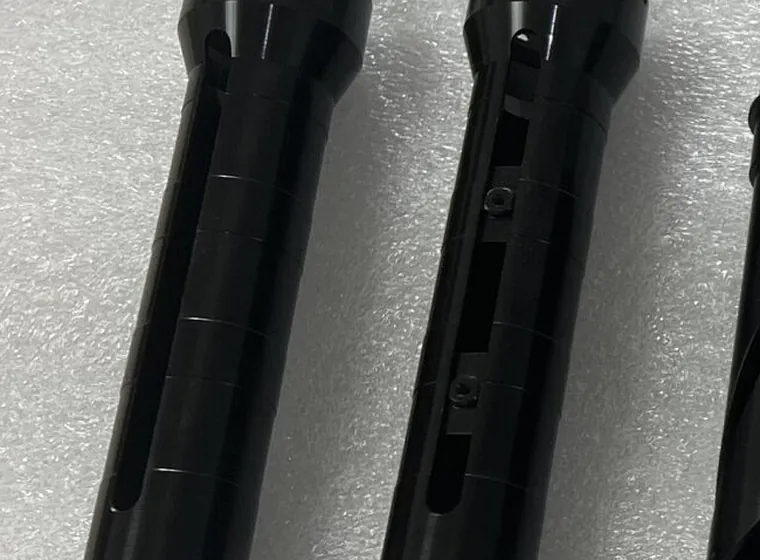
Chosen when the part must not mark the workpiece must run dry or must not conduct.
When To Specify ItPractical notes on fixtures, jigs, materials and what to put in a request for quotation.
What a fixture supplier actually needs from you and the four decisions that set the cost.
Read The Note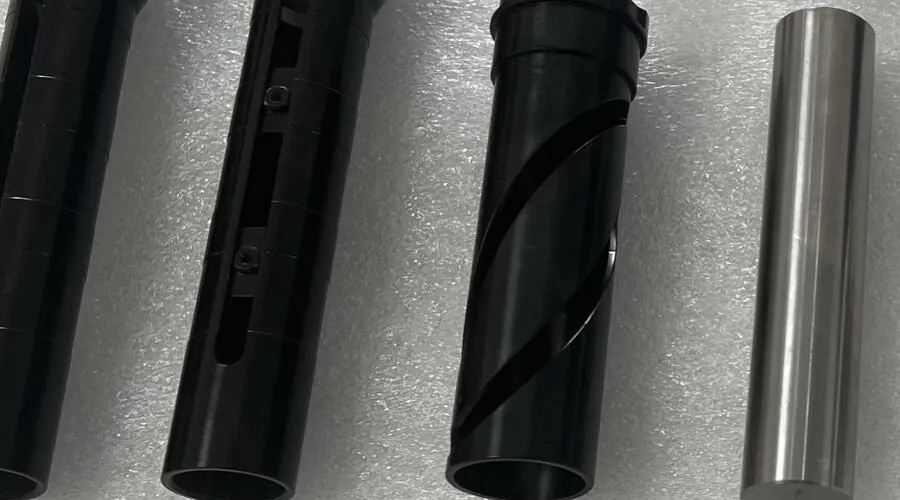
How to build a check fixture that gives the same answer regardless of who is using it.
Read The Note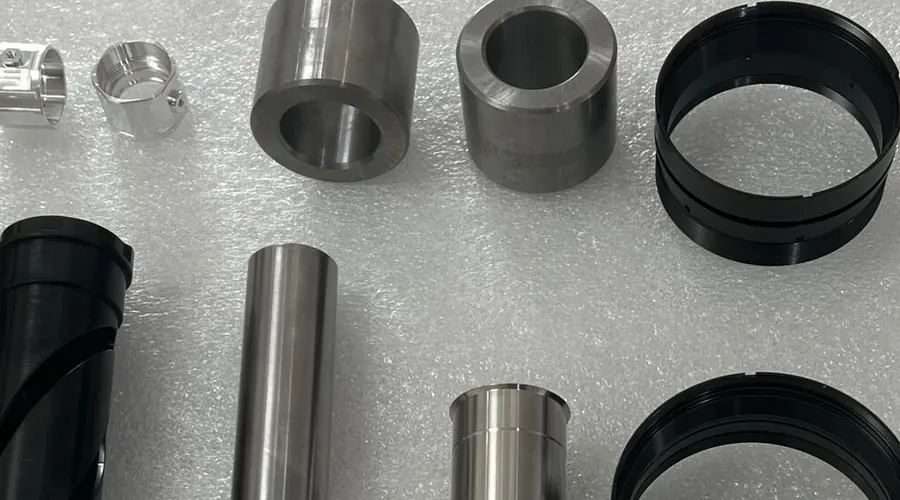
A practical comparison of the three material families for fixtures jigs and machined parts.
Read The Note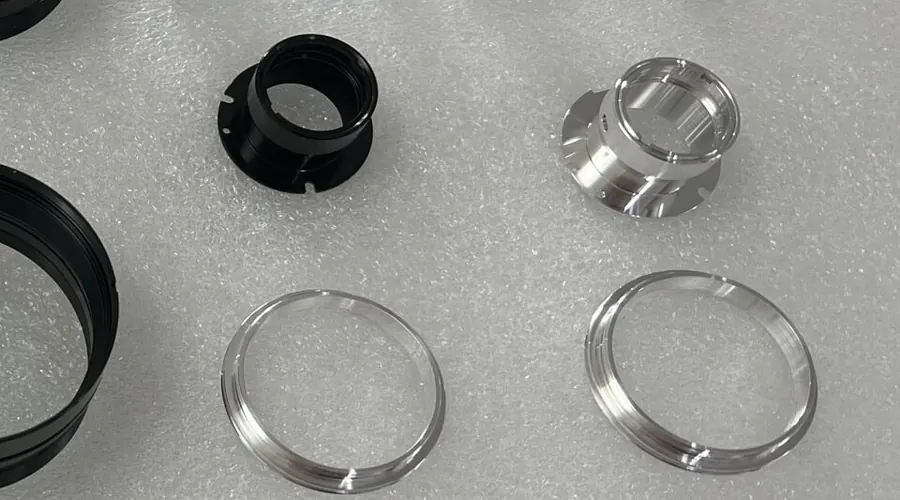
The six items that let a supplier quote accurately and the one that usually sets the price.
Read The NoteAttach the print, say what the part does and how many you need. If a tolerance looks tighter than the job requires, that gets flagged before you are quoted for it.
Direct line +86 137 1250 5040 · [email protected]
