Non-standard fixtures jigs and made-to-drawing parts · Yiwu China
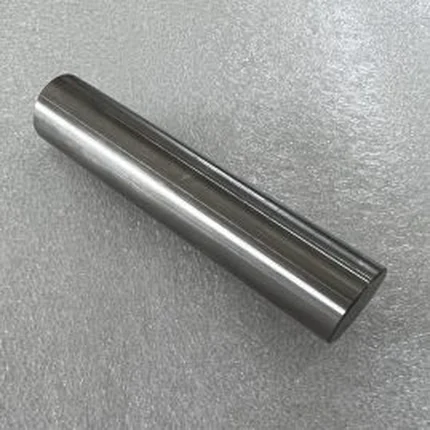
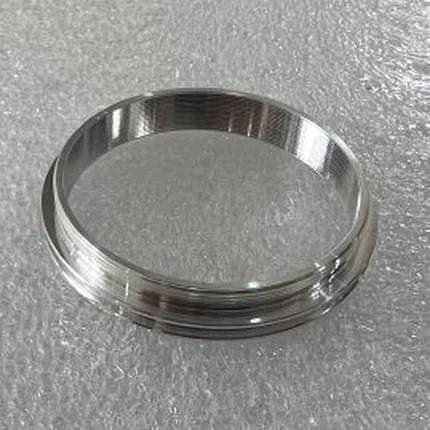
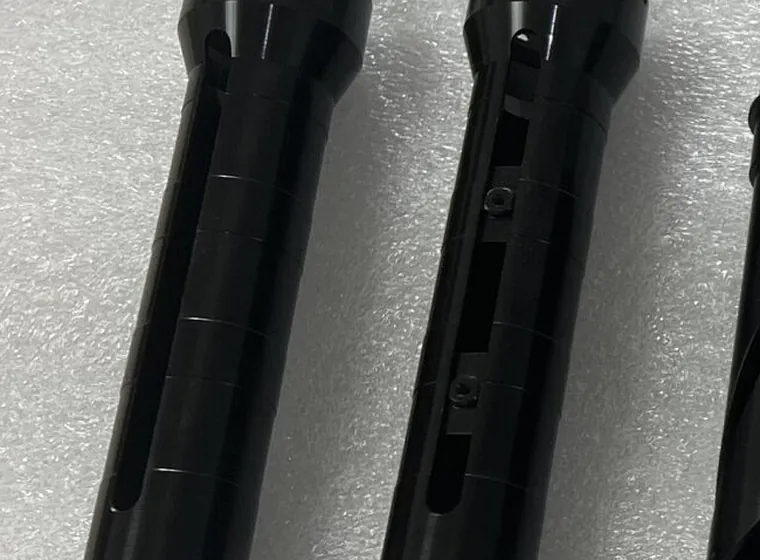
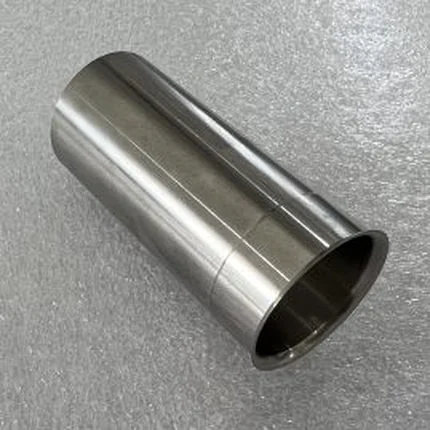
Precision machined components of the kind produced in engineering plastic for non-marking duty
Material

Engineering Plastics

Chosen when the part must not mark the workpiece must run dry or must not conduct.

Overview

When To Specify It

Engineering plastics are specified for what they do not do. They do not mark a finished surface, they do not need oil, and they do not conduct. On fixtures handling painted, anodised or polished parts, a plastic contact face is often the difference between a good part and a reject.
Good For

Where It Earns Its Place

  • Fixture contact faces touching finished or coated surfaces
  • Bushings that must run without lubrication
  • Parts in food, cleanroom or electrical contexts where oil or metal is unwelcome
  • Lightweight locators and guides on hand-loaded fixtures
Watch For

What It Costs You

  • It movesPlastics expand more than metals with temperature and some absorb moisture, which shifts dimensions.
  • It creepsUnder sustained clamping load a plastic part keeps deforming slowly, so it is a poor choice for a permanent preload.
  • Tolerances are widerThe material is less stable than metal, so a tolerance achievable in stainless may not be achievable here.
Parts In This Material

Machined In Engineering Plastics

Other Materials
Questions

Questions About Engineering Plastics

Which plastic should I specify?
It depends on whether you are optimising for wear, for stability, for chemical resistance or for cost. Describe the duty and the environment and the options can be narrowed before quoting.
Can plastic parts hold the same tolerance as metal?
Generally no. Thermal movement and moisture absorption make plastics less dimensionally stable, so the achievable tolerance is confirmed per project and per material.
Why use a plastic bushing instead of metal?
Because it can run dry. Where lubricant would contaminate the product or attract dust, a plastic bushing removes the problem rather than managing it.

Not Sure Which Material The Job Needs

Describe what the part touches, what it has to carry and who has to lift it. Those three answers usually pick the material on their own.

Direct line +86 137 1250 5040  ·  [email protected]