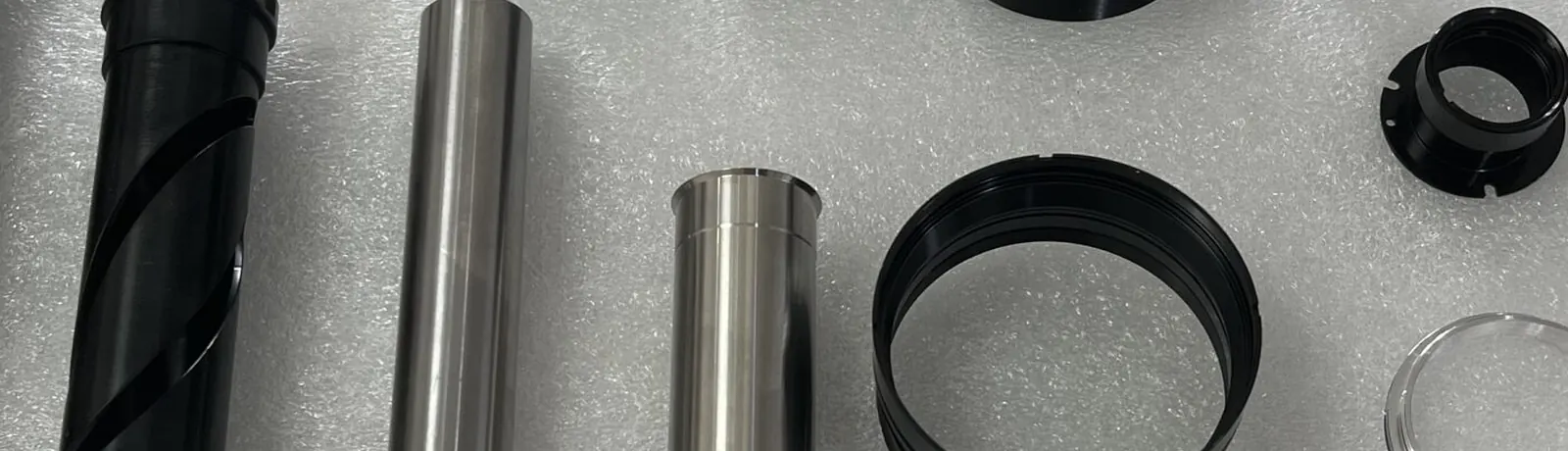
Eight part families across three groups. All made to customer drawings in stainless steel, aluminium alloy or engineering plastic.
Nothing here is a stock item. Each page sets out what the part does, what it is for, where it goes wrong when it is bought nearly-right, and what a quotation needs from you.
Everything in this group is defined by a diameter that has to be right and a surface that has to be right with it. These are the parts that decide whether a mechanism runs free or binds, and they are the parts most often needed when an original is worn out or no longer available.
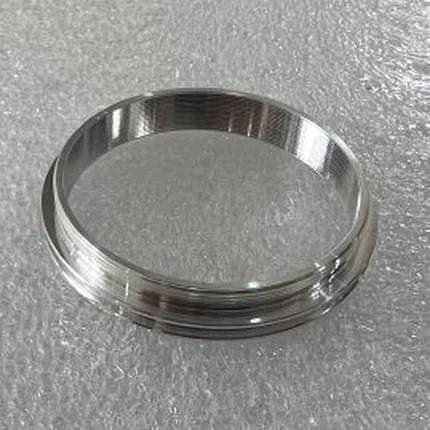
A turned ring that joins two tube or housing sections and holds them concentric while the assembly is fastened.
View The Part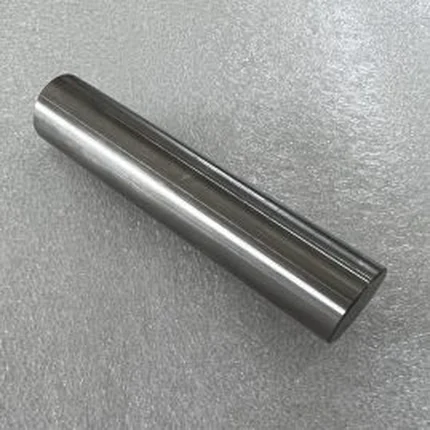
A turned and finished shaft that runs in a bearing or a bushing and holds its diameter along the whole working length.
View The Part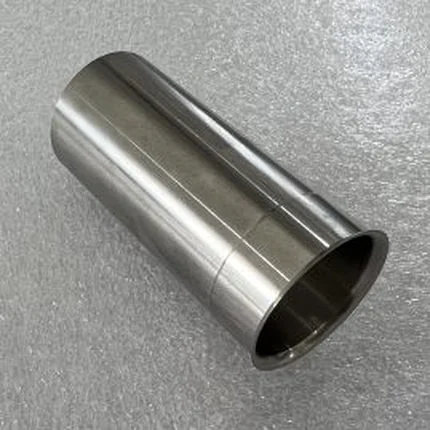
A turned sleeve that carries a shaft, sets the running clearance and takes the wear instead of the housing.
View The PartTube is cheap, standard and everywhere. What is never standard is how you have to hold it: the diameter you actually bought, the access you actually have, and whether the tube can be lifted out or is trapped in place. These parts are cut for one tube and one situation.
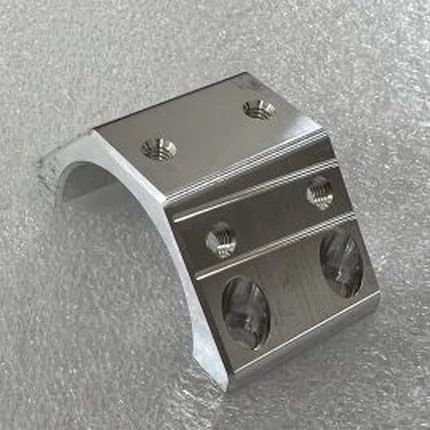
A curved saddle block that clamps a round tube down onto a flat surface with four fasteners.
View The Part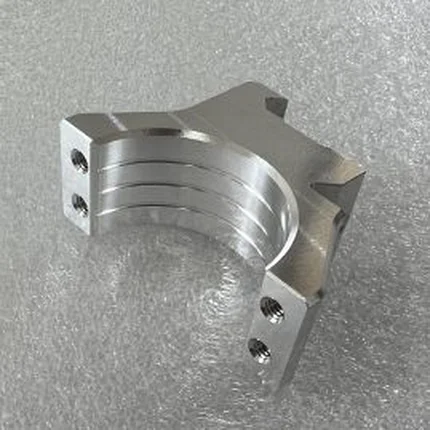
A slotted clamp block that closes around a captive tube and grips it without needing access from above.
View The Part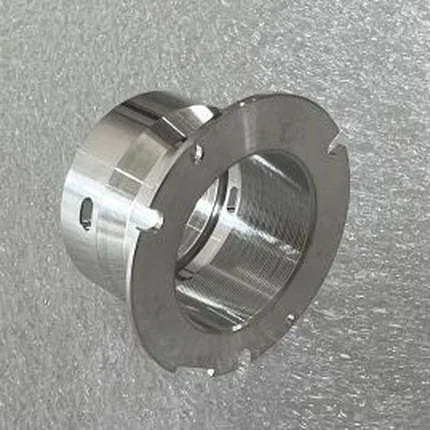
A flanged spigot that plugs into a tube end and gives the assembly a shoulder to register against.
View The PartThese are the small parts that hold a mechanism together and give it back its motion. They are also the parts most likely to be discontinued, and the ones where a catalogue item that is nearly right is no use at all, because a spring with the wrong leg angle simply cannot be fitted.
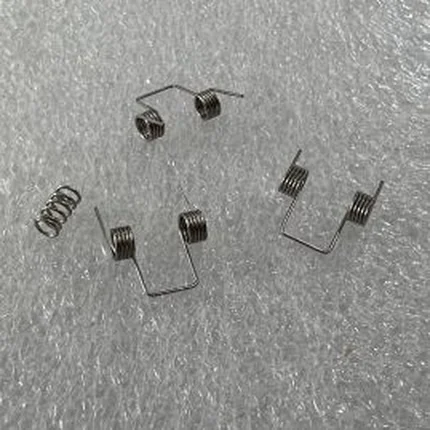
Torsion springs and formed wire parts made to drawing for mechanisms that have to return, latch or hold.
View The Part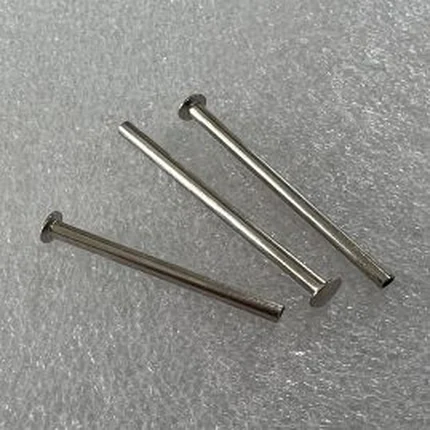
Headed pins and solid rivets turned to drawing, for joints that have to locate as well as fasten.
View The PartThe eight families here are what gets made most often, not a limit. Send the drawing and it can be quoted on its own terms.
Direct line +86 137 1250 5040 · [email protected]
