Non-standard fixtures jigs and made-to-drawing parts · Yiwu China
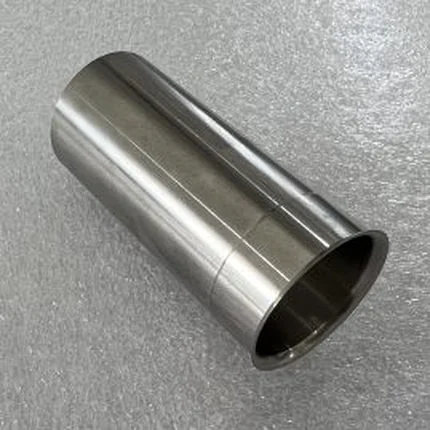
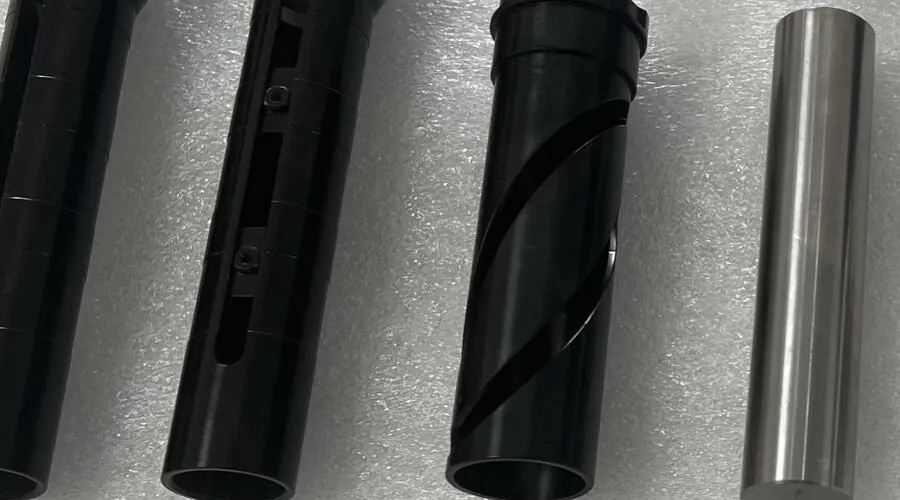
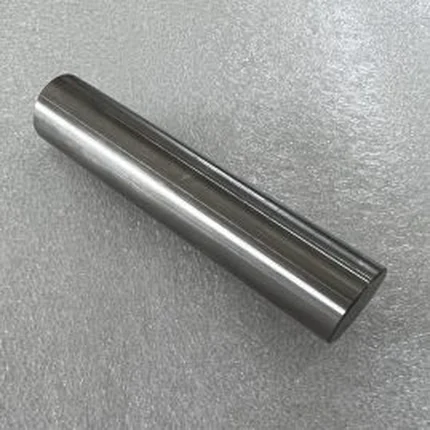
Ground stainless steel precision shaft with a smooth cylindrical running surface

Ground stainless steel precision shaft with a smooth cylindrical running surface.

Precision Turned Parts

Precision Shaft

A turned and finished shaft that runs in a bearing or a bushing and holds its diameter along the whole working length.

Stainless SteelEngineering Plastics
Made to your drawing. Every dimension below that depends on your print is marked To drawing rather than given a number that would only be a guess.
Overview

What This Part Does

A shaft is a simple part that is unforgiving to make. What matters is not the nominal diameter but how little that diameter varies along the length, how straight the axis is, and how smooth the running surface is where a bushing or a seal rides on it. Hongpin turns shafts to customer drawings in stainless steel and in aluminium alloy, with the running surface finished to the specification on the print.

Key Benefits

Why It Is Made This Way

  • Consistent diameter along the lengthA shaft that tapers runs tight at one end of its stroke and loose at the other.
  • Finished running surfaceSurface finish is what decides whether a bushing beds in or wears out.
  • Made to your printLength, diameter, end features, chamfers and any cross holes follow the drawing.
  • Matched to the bushingShaft and bushing can be quoted and made together so the running clearance is controlled as a pair.
Problems It Solves

What Goes Wrong Without It

  • Stock bar is not a shaftDrawn bar is not straight enough or round enough to run in a close bushing without work.
  • Diameter drifts along the lengthThe clearance changes through the stroke and the motion goes from free to stiff.
  • Rough surface eats the bushingA shaft finished too coarse acts like a file on a plain bearing.
Application Scenarios

Where It Is Used

  • Running in a plain bushing on a linear or rotary motion
  • Carrying a pulley, roller or lever arm on an assembly
  • Acting as a guide shaft on a production fixture
  • Serving as a pivot in a mechanism that has to stay free after many cycles
Who It Is For

Who Specifies It

Designers and maintenance engineers who need a replacement or a new shaft made to a drawing, particularly where the original part is obsolete.

Related Capability

Technical Features

How It Is Made

  • ProcessCNC turning, with grinding or a finishing pass where the drawing requires it
  • GeometryPlain or stepped, with chamfers, cross holes, flats, threads or circlip grooves to drawing
  • MaterialStainless steel as shown; aluminium alloy and engineering plastic to the same print
  • FinishTo the surface finish called out on the drawing
Specifications

Specification Table

DiameterTo drawing
LengthTo drawing
Diameter toleranceConfirmed per project against your print
Straightness and roundnessConfirmed per project against your print
Surface finishTo drawing
MaterialStainless steel, aluminium alloy or engineering plastic
End featuresChamfers, threads, flats, cross holes or grooves to drawing
Minimum orderConfirmed per project

Values marked to drawing or confirmed per project are set against your print at quotation. No certification, capacity or tolerance figures are published because none were published by the business.

Comparison

How It Compares

Against buying hardened and ground linear shafting from a catalogue, a made-to-drawing shaft costs more per piece but carries your end features and your length, with no adaptor or secondary machining. Against a hollow tube it is stiffer in bending for the same outside diameter.
Use Guide

Questions

Questions About The Precision Shaft

I do not have a drawing, only the worn shaft. Can you still make it?
Usually yes. A worn shaft can be measured and drawn, but the worn running surface has to be interpreted rather than copied, so tell us what it runs in and how it failed.
Can you hold a tolerance across a long length?
The achievable tolerance depends on the length-to-diameter ratio and the material, which is why it is confirmed per project rather than promised as a blanket figure.
Should the shaft or the bushing be the sacrificial part?
Normally the bushing, because it is cheaper and easier to replace. That points to a harder shaft and a softer bushing, which is worth agreeing before either is made.
Can you supply shaft and bushing as a matched pair?
Yes, and it is the better way to buy them. Running clearance is the difference between two dimensions, so controlling both together controls the clearance.
Related Products

Often Quoted Alongside

Related Reading

Engineering Notes

Quote The Precision Shaft

Send the drawing with tolerances, the material and the quantity. Say what the part fits against and any tolerance that is doing no work will be flagged before it is priced.

Direct line +86 137 1250 5040  ·  [email protected]