What a fixture supplier actually needs from you and the four decisions that set the cost.
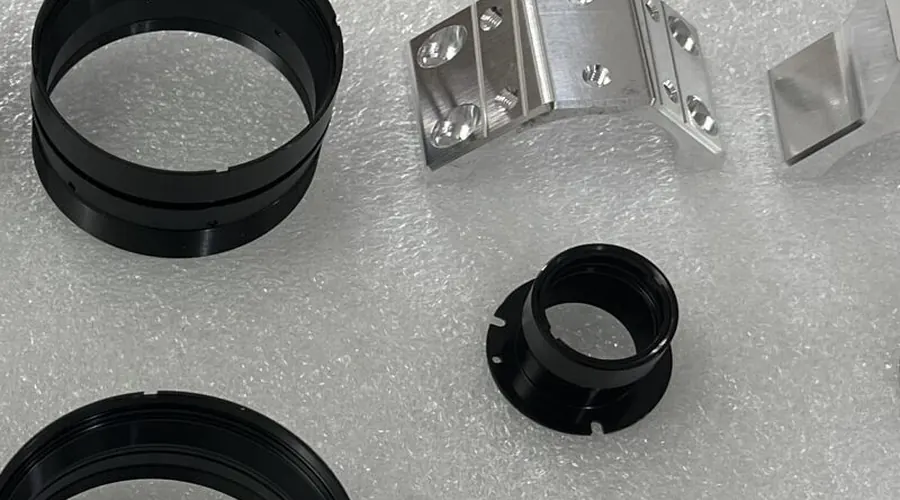
Machined locating and clamping components of the type used to build production fixtures.
A fixture is defined by what is being done to the workpiece, not by the workpiece alone. Drilling, welding, assembly and inspection all load the part differently and want different clamping. Before any geometry is discussed, write down the operation, the forces it applies and the direction they act in. A fixture designed for drilling and then used for welding will distort the part, because the heat input was never in the brief.
The most common fixture mistake is locating the part on whichever faces are easy to reach. If the drawing controls a feature relative to datum A and the fixture holds the part on a different surface, then every part the fixture produces is measured against the wrong reference. Locate on the drawing datums, and if those datums are unreachable, that is a conversation to have with the designer before the fixture is cut.
A part in space has six degrees of freedom, and a good fixture removes each one exactly once. Remove one twice and the fixture fights itself: the part rocks between two locators, and which way it rocks depends on the operator. This is why three points define a plane and why a fourth support on the same face is a liability rather than extra safety.
Clamping force should push the part into a locator, never into thin air. A clamp acting on an unsupported span bends the part, the operation is performed on a bent part, and the part springs back out of tolerance after release. If a clamp has to act on an unsupported area, add a support under it, and make that support adjustable only if you are prepared to control how it is set.
Locators, guide bushes and contact pads wear. That is not a design failure, it is the normal life of a fixture. The failure is making them integral to the body so that wear scraps the whole tool. Make them separate machined parts, dowelled and bolted, and keep their drawings. Then the fixture is refurbished in an afternoon instead of remade in a month.
The workpiece drawing with its datums and tolerances, a description of the operation, the annual and batch quantities, and any constraint on size, weight or material. If the fixture has to fit an existing machine table, send that too. Where a required tolerance seems tighter than the function needs, say what the function is; that is frequently where the cost can be taken out.
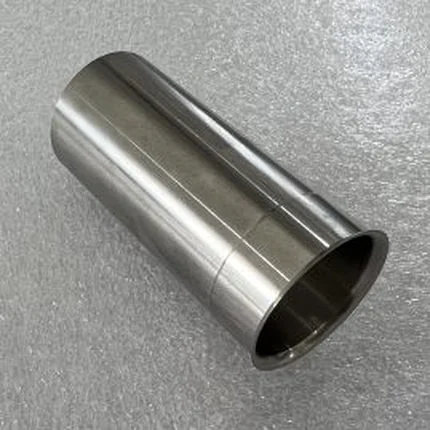
A turned sleeve that carries a shaft, sets the running clearance and takes the wear instead of the housing.
View The Part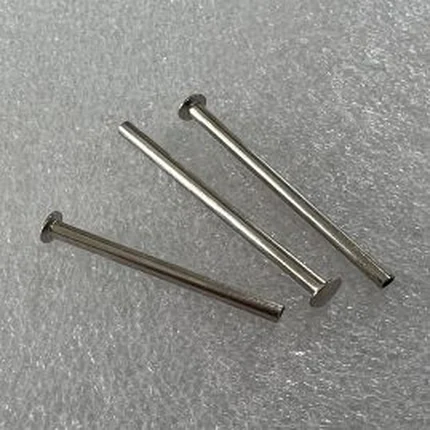
Headed pins and solid rivets turned to drawing, for joints that have to locate as well as fasten.
View The PartSend the drawing and the operation it has to survive. It is a shorter conversation than it sounds.
Direct line +86 137 1250 5040 · [email protected]
