
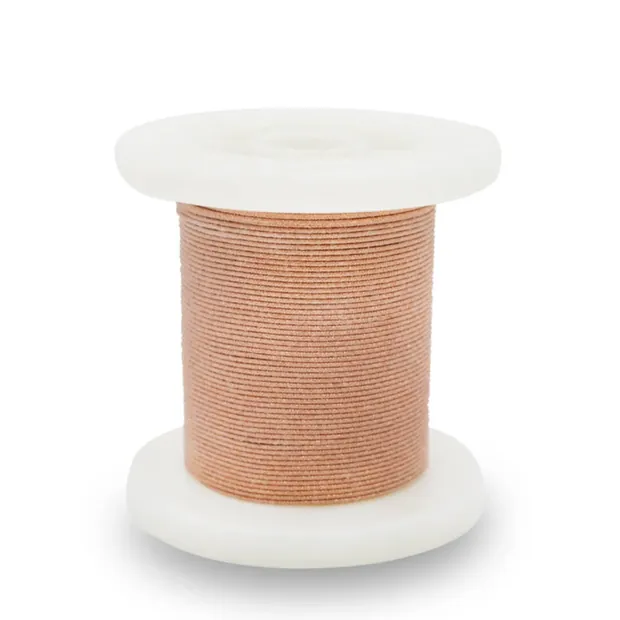
Tinsel Wire
Copper Alloy Tinsel Wire
Alloy foil raises the mechanical ceiling over pure copper at the same construction.
View specifications
Conductors for robot wires and drag chain cables, where the cable is in motion for the whole duty cycle of the machine.
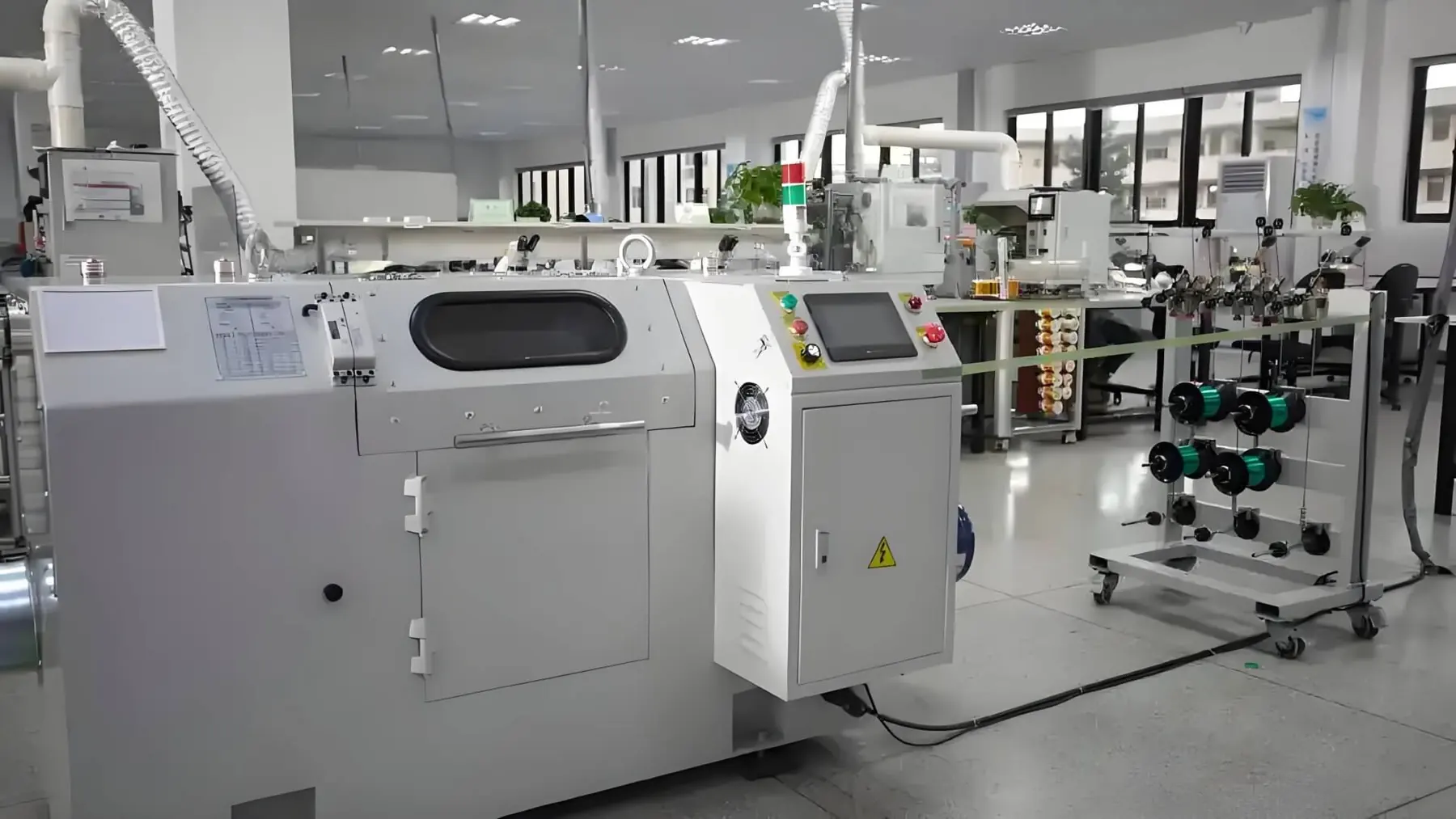
Robot wires and drag chain cables are among the main applications for our conductors, and they are the clearest case of flex life deciding everything. A drag chain cable does not get a rest cycle; it bends every time the axis moves, millions of times over the life of the machine, and when a conductor inside it opens the whole machine stops. That is a construction problem rather than a material problem, which is why the foil-over-fiber design and multi-strand twisting matter here: they raise breaking load and swing performance at the same time as they lower conductor resistance.
Tinsel Wire
Alloy foil raises the mechanical ceiling over pure copper at the same construction.
View specifications
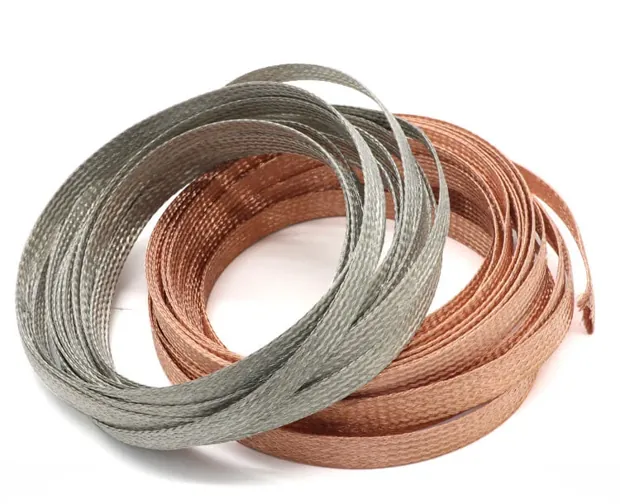
Copper Stranded Wire
Flexibility at full cross-section, instead of trading one for the other.
View specifications
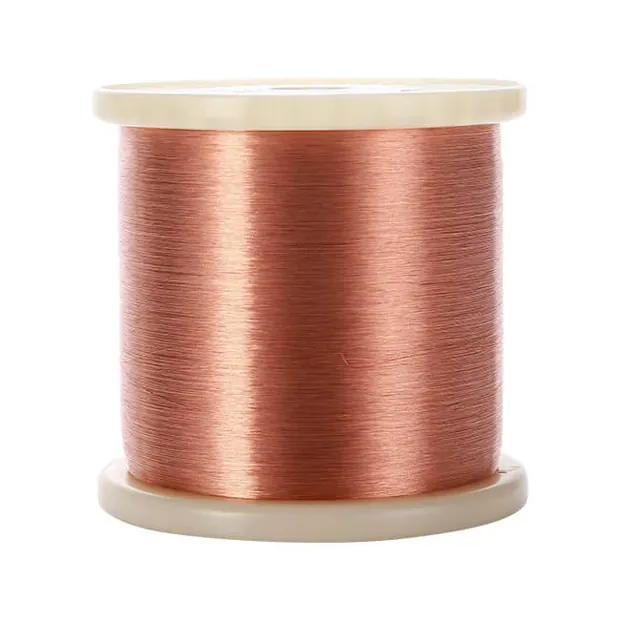
Tinsel Wire
Highest conductivity per unit of foil in the range, with no plating layer in the current path.
View specifications
Precision Copper Foil
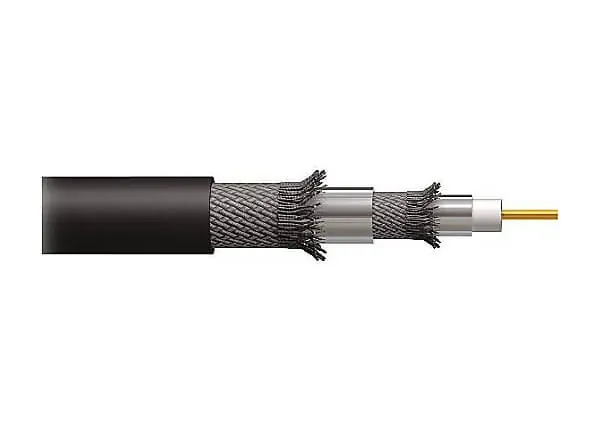
Shielding and mechanical protection without stiffening the cable.
View specifications
You send the conductor resistance, outer diameter, tensile strength, swing life and soldering method. All five are treated as one problem.
Foil and base metal chosen from bare copper, oxygen-free copper and the tin-copper, iron-copper, silver-copper, nickel-chromium, nickel-iron and copper-nickel alloys.
Fiber core picked for working temperature and abrasion; tin, silver or nickel plating specified at 0.3 um to 2 um.
We build and test a sample. No minimum order quantity applies to conventional or customized sampling.
Resistance, tensile strength and elongation are measured on our own equipment, with salt spray where corrosion matters.
Two shifts keep delivery on schedule, and a comprehensive loading report goes out with every shipment.
technical guide
The construction, the materials and the reason a foil-over-fiber conductor beats a solid wire of the same size on flex life.
Read the guide
material guide
What each fiber core actually gives a tinsel wire, and which service conditions should point you at which one.
Read the guide
Foil wound over a soft textile fiber core, twisted into strands, and where required mixed with copper wires. Multi-layer foil and multi-strand twisting improve breaking load and swing performance while reducing conductor resistance.
Yes. Tinsel wire can be mixed with copper wires in the same conductor, mainly to increase the bending strength of the construction.
Send the performance targets your conductor has to meet. We will propose a construction and sample it with no minimum order quantity.