
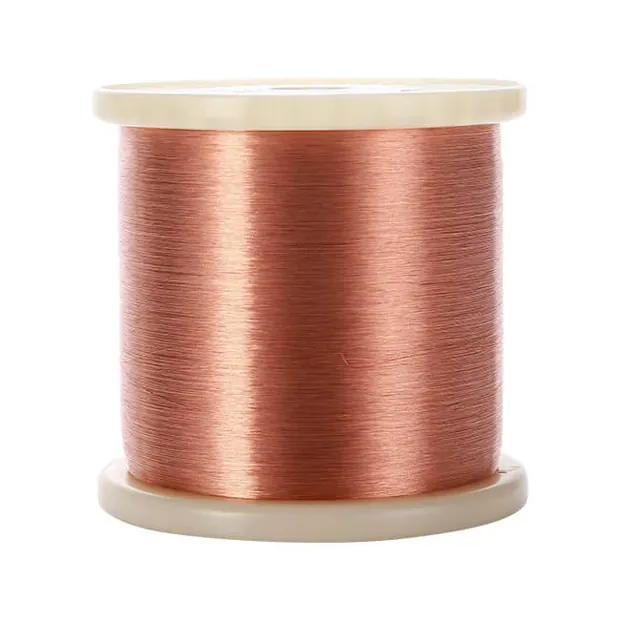
Tinsel Wire
Bare Copper Tinsel Wire
Highest conductivity per unit of foil in the range, with no plating layer in the current path.
View specifications
Ultra-thin metal foil wound over a soft textile fiber core, for cables that have to bend, swing and survive instead of sitting still.
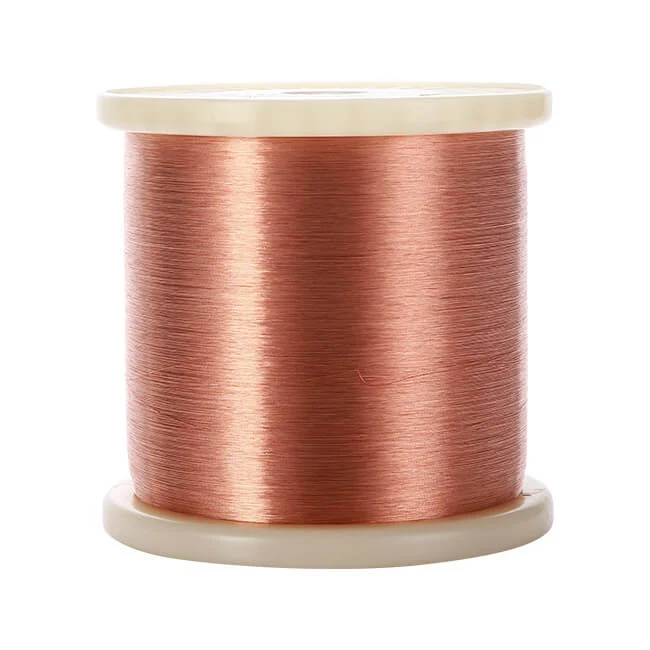
Tinsel wire is a conductor made by winding a layer of ultra-thin metal foil, or several layers of it, around a soft textile fiber core. The specifications we produce are very fine and flexible with a low specific gravity. Against a traditional solid wire of comparable size, bending strength and tensile strength are both greatly improved, oxidation resistance is better and the conductor is easier to weld. With imported raw materials and a special process, the product holds up over a long service life with good wear resistance and corrosion resistance under high temperature and high pressure. The multi-layer copper foil design and the multi-strand twisted design significantly reduce conductor resistance, and breaking load and swing performance improve with them.
Tinsel Wire
Highest conductivity per unit of foil in the range, with no plating layer in the current path.
View specifications
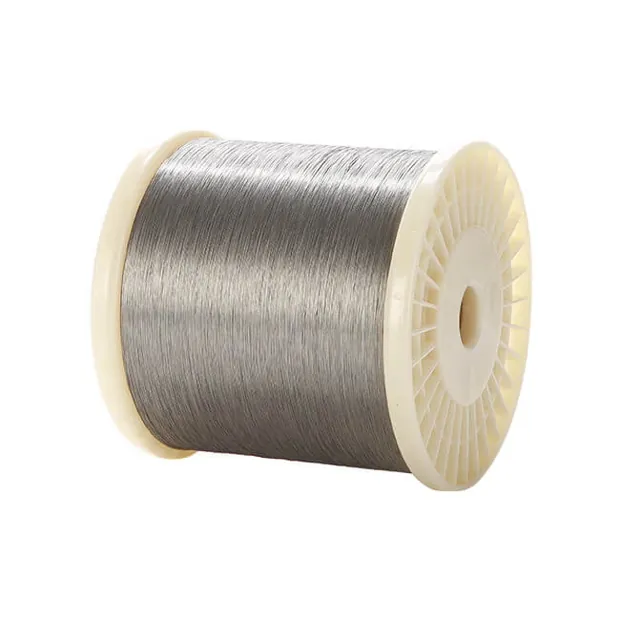
Tinsel Wire
Tin layer protects the copper foil surface from oxidation through storage and handling.
View specifications
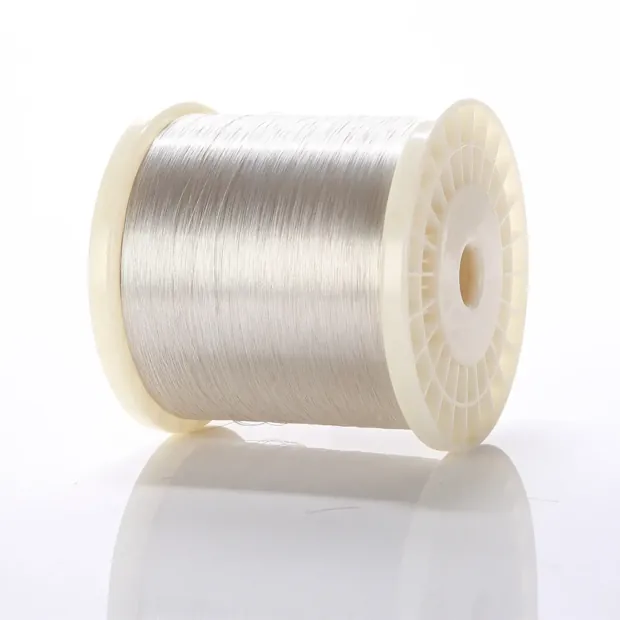
Tinsel Wire
Silver surface for demanding termination and contact requirements.
View specifications
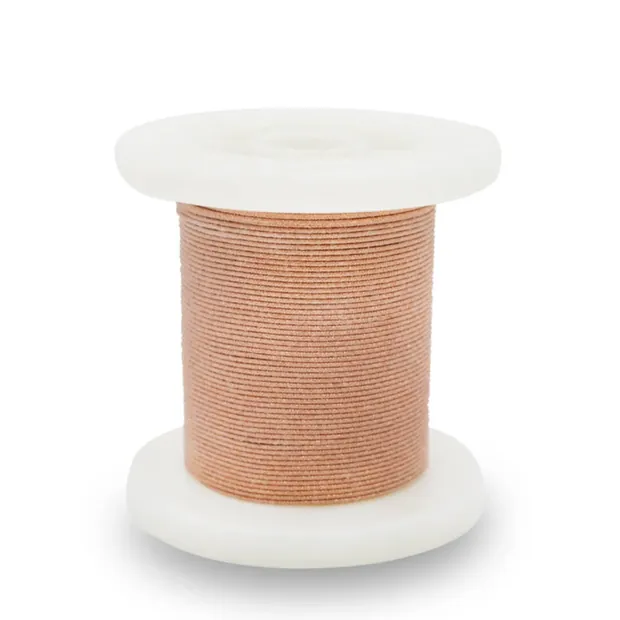
Tinsel Wire
Alloy foil raises the mechanical ceiling over pure copper at the same construction.
View specifications
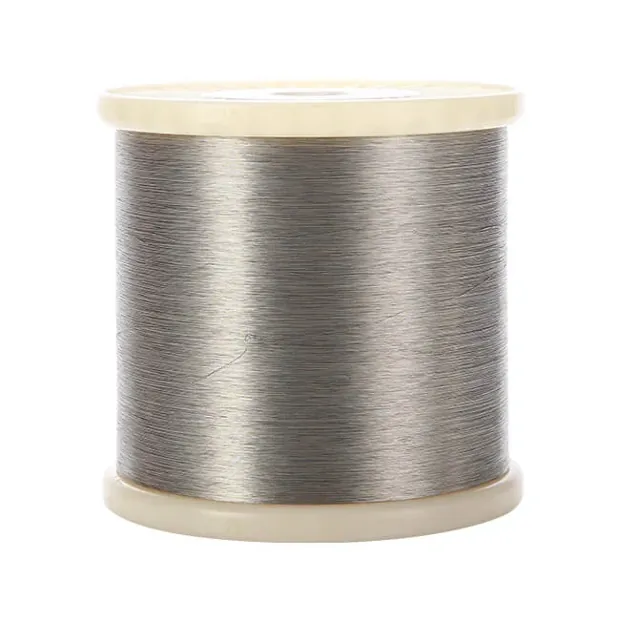
Tinsel Wire
Alloy foil strength combined with a tin-plated, oxidation-protected surface.
View specifications
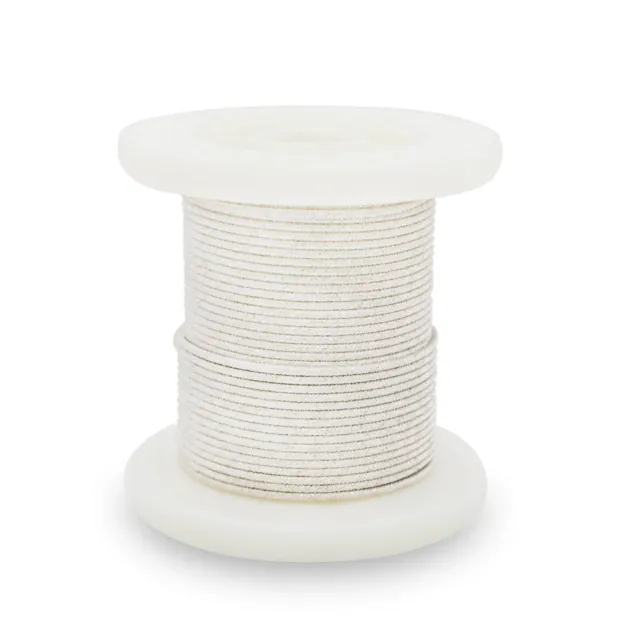
Tinsel Wire
Silver-copper alloy foil with silver plating: strength and surface both at the top of the range.
View specifications
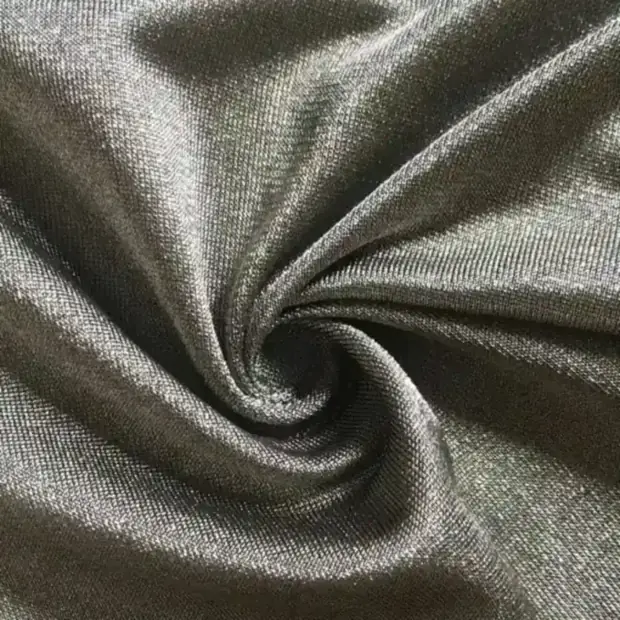
Tinsel Wire
A soft textile fiber core at the centre, so the conductor handles like yarn.
View specifications
Lead-out wire and internal cable for drivers, headphones and in-ear monitors, where the conductor moves with the diaphragm.
Read the application
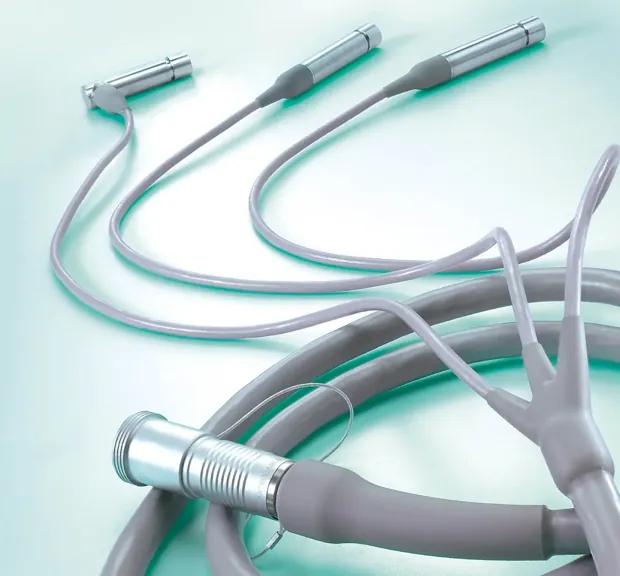
Conductors for patient cables, sensor leads and medical wires that flex daily and stay in service for years.
Read the application
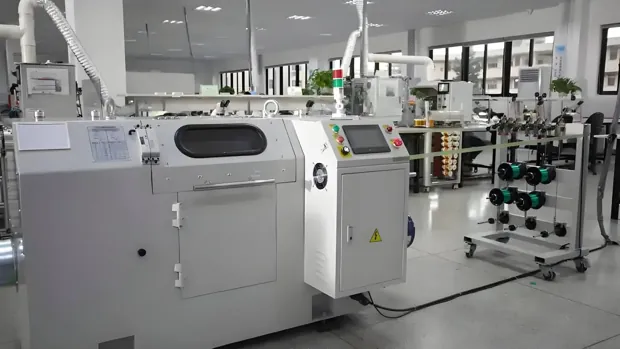
Conductors for robot wires and drag chain cables, where the cable is in motion for the whole duty cycle of the machine.
Read the application
Conductors that can be sewn, woven and worn, for smart clothing, heated apparel and technical textiles.
Read the application
Two materials. A metal foil on the surface and a fiber core inside. Common foils are bare copper foil, tin-plated copper foil, nickel-plated copper foil, silver-plated copper foil, tin-copper alloy foil, iron-copper alloy foil and silver-copper alloy foil. Common fiber cores are nylon, polyester, aramid, liquid crystal fiber, heat-resistant cotton yarn and glass fiber.
The outer diameter of a single tinsel wire runs from 0.04 mm up to 0.40 mm, built with either a single-layer or a multi-layer copper foil structure.
The foil surface carries the plating, so the solderable surface is the outside of the conductor rather than a freshly exposed core. Combined with better oxidation resistance than solid wire, the joint stays consistent through volume assembly.
Yes. Tinsel wire can be twisted into strands on its own, or mixed with copper wires in the same construction, mainly to increase the bending strength of the finished conductor.
Send the resistance, outer diameter and flex targets. Sampling is available on conventional and customized products with no minimum order quantity.