
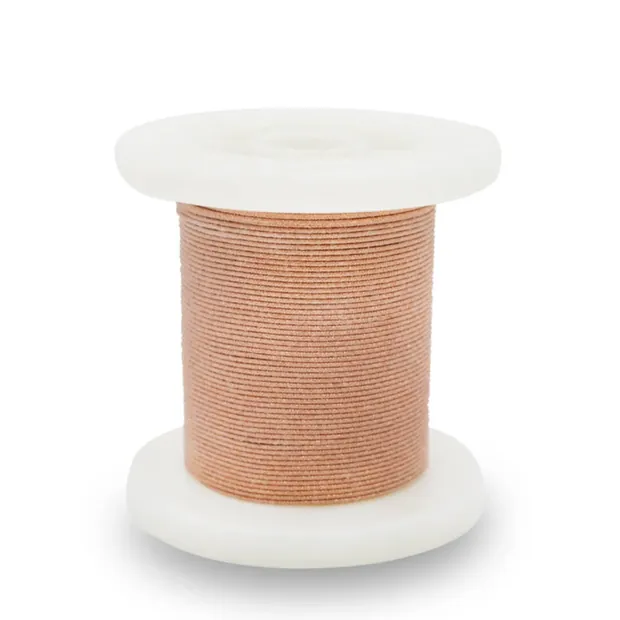
Tinsel Wire
Copper Alloy Tinsel Wire
Alloy foil raises the mechanical ceiling over pure copper at the same construction.
View specifications
From a performance requirement on paper to a verified conductor in production, without a minimum order standing in the way.
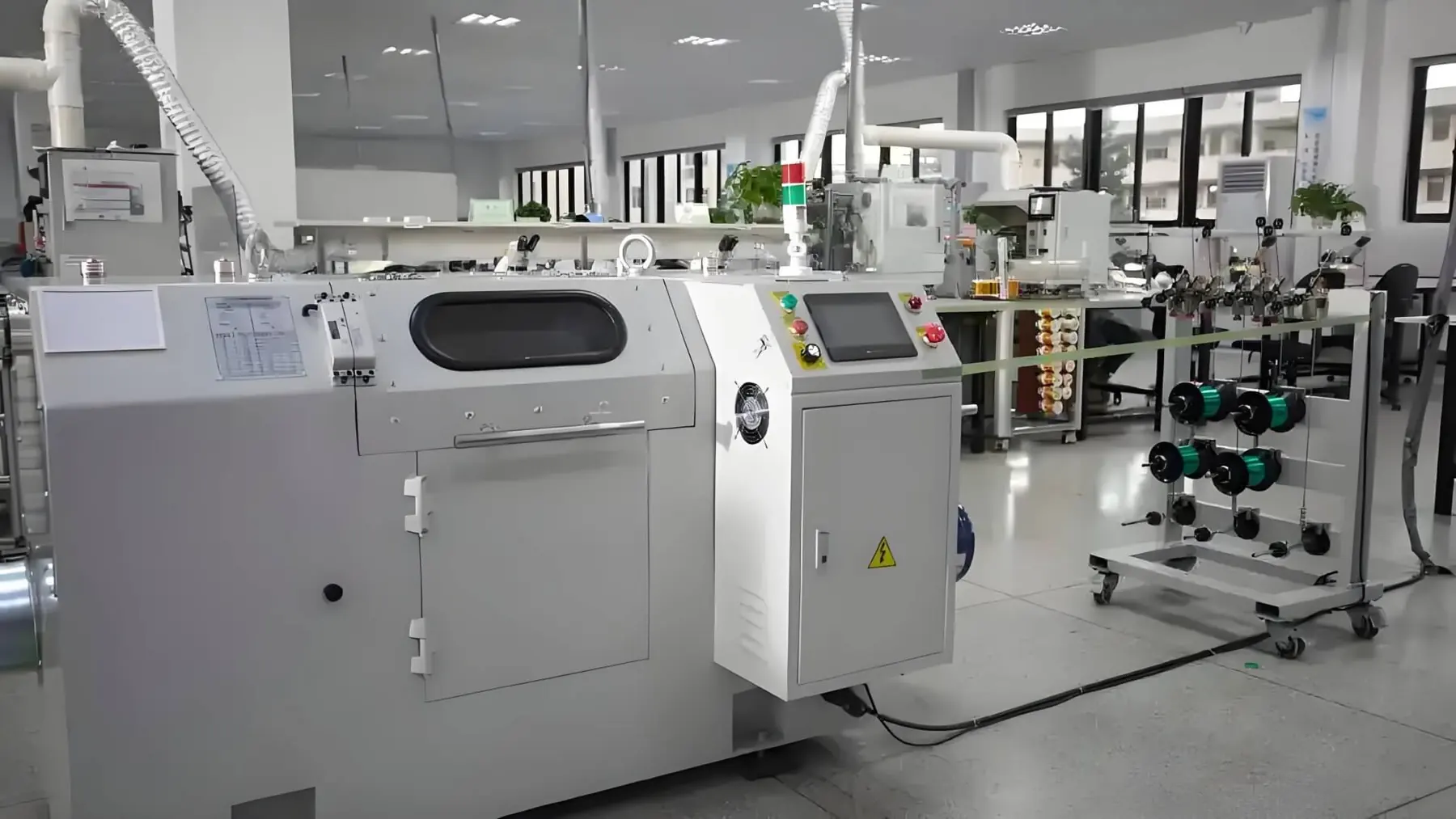
If you have conductors made of special metal materials that need to be designed or developed, this is the route. We customize conductors of various materials according to the performance requirements of the customer's product, meeting the requirements of conductor resistance, outer diameter, tensile strength, high swing and solderability. The reason this works as a service rather than as a catalogue lookup is that those five requirements usually conflict, and resolving them means changing the foil, the core, the twist and the plating together rather than picking a part number.
The problem: A conductor has to meet resistance, outer diameter, tensile strength, swing and solderability targets that pull against each other.
How we handle it: We take all five as inputs at once rather than optimising one and discovering the rest later.
The problem: The right base metal and plating are not obvious from the electrical requirement alone.
How we handle it: We select from bare copper, oxygen-free copper and the tin-copper, iron-copper, silver-copper, nickel-chromium, nickel-iron and copper-nickel alloys, with tin, silver or nickel plating from 0.3 um to 2 um.
The problem: Working temperature, abrasion and chemical exposure decide the fiber, and getting it wrong shows up only in the field.
How we handle it: We select the fiber core from nylon, polyester, aramid, liquid crystal fiber, heat-resistant cotton yarn and glass fiber against the actual service conditions.
The problem: Committing to a production run before anyone has measured a real sample is how projects go wrong.
How we handle it: Sample testing is available on both conventional and customized products with no minimum order quantity.
The problem: A sample that has not been measured is an opinion.
How we handle it: We run DC resistance, tensile strength and elongation on our own equipment, plus salt spray where corrosion matters, and send the data with the sample.
The problem: A conductor that worked as a sample has to repeat across a lot and arrive on schedule.
How we handle it: Two shifts run without interruption to keep delivery on time, and every shipment goes out with a comprehensive loading report.
The problem: Markets move and a conductor specified two years ago stops being competitive.
How we handle it: We keep updating and iterating the product with the customer, which is how our customers keep their conductors differentiated from their competitors.
Tinsel Wire
Alloy foil raises the mechanical ceiling over pure copper at the same construction.
View specifications
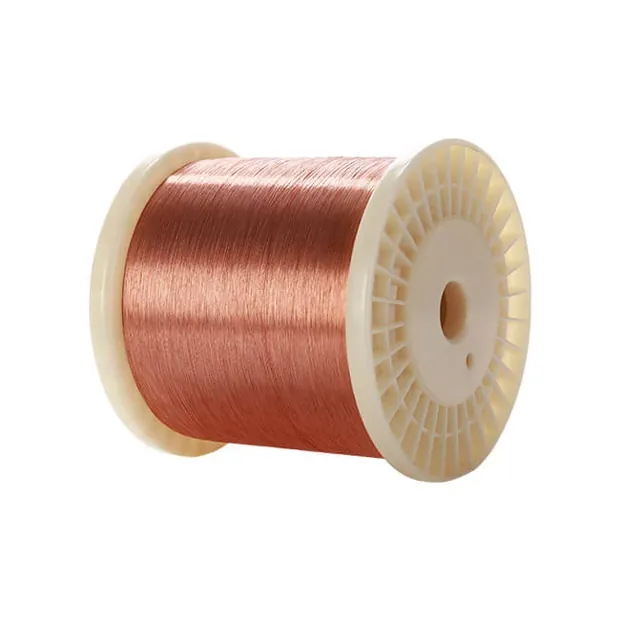
Speaker Lead Wire
Built for swing performance, which is the actual failure mode in a driver lead.
View specifications
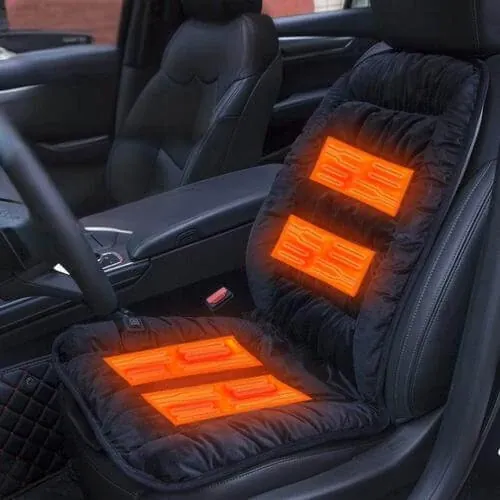
Heater Wire
High resistance in a conductor that is still flexible enough to sew, wind or route.
View specifications
No. Sample testing is available for both conventional and customized products without a minimum order quantity.
The performance targets: conductor resistance, outer diameter, tensile strength, the swing or flex life required, and how the conductor will be soldered. Working temperature and environment help us pick the fiber core and plating.
If you have conductors made of special metal materials that need to be designed or developed, that is exactly what to contact us about. Graphene copper wire, graphene aluminum wire, single crystal copper wire and pure silver wire can all be supplied.
Sampling is available on conventional and customized products without a minimum order quantity, and the test data comes back with the sample.