
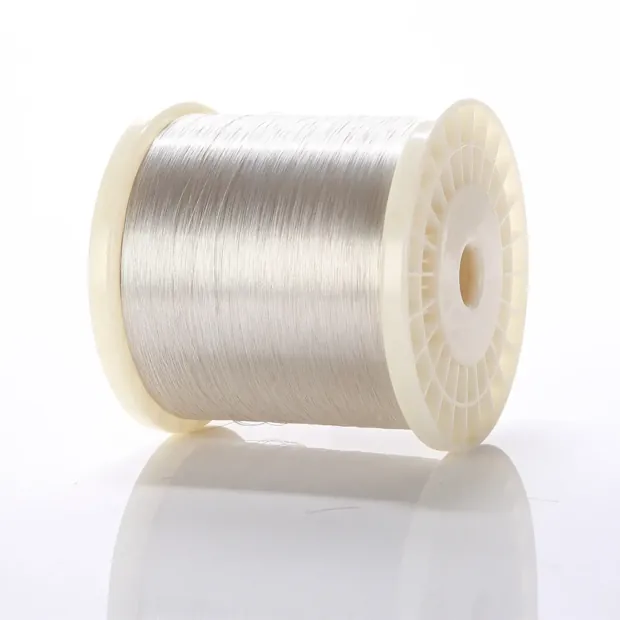
Tinsel Wire
Silver-Plated Tinsel Wire
Silver surface for demanding termination and contact requirements.
View specifications
Conductors for patient cables, sensor leads and medical wires that flex daily and stay in service for years.
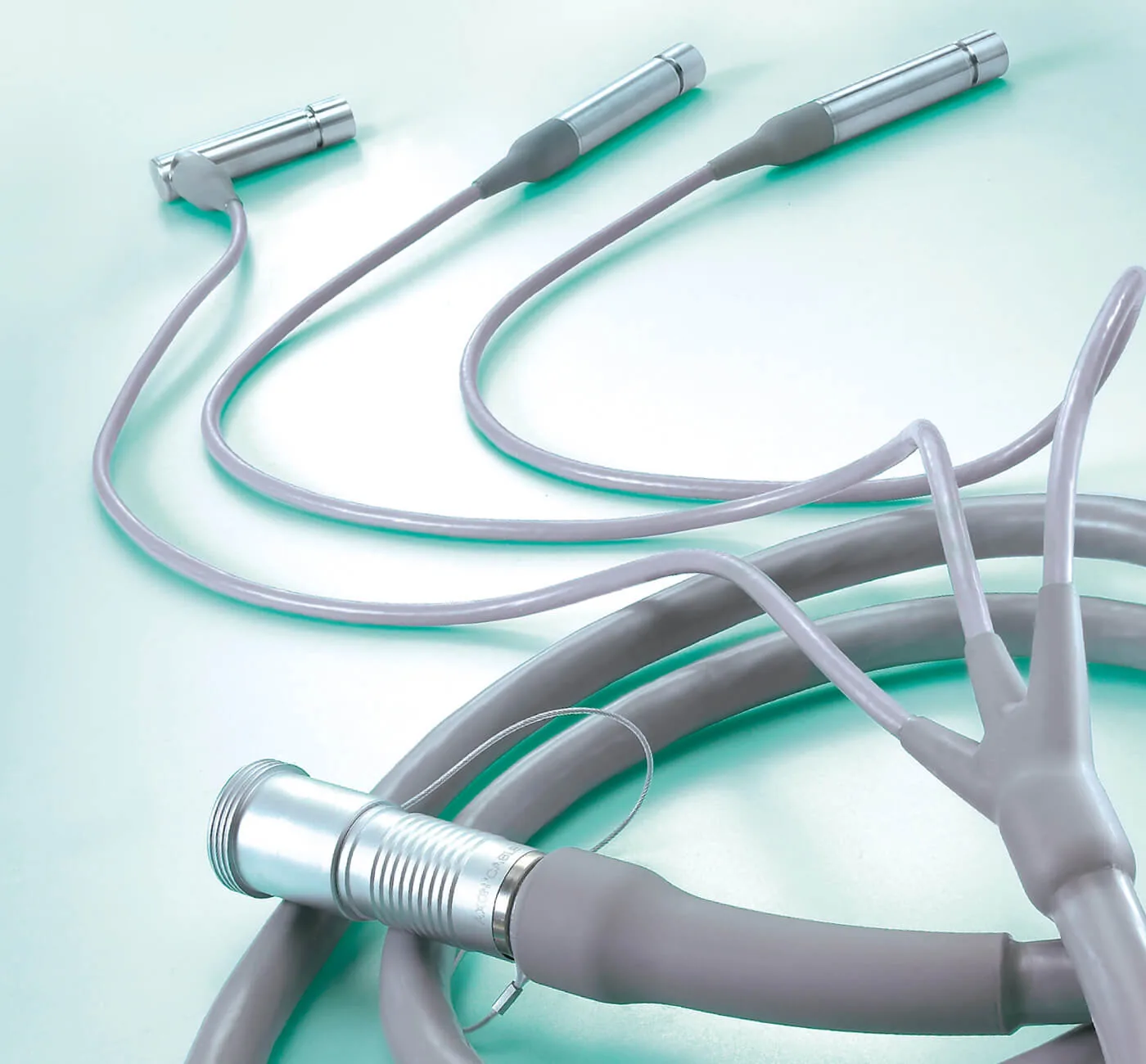
Medical wires are one of the main application areas for our conductors. A patient cable gets coiled, dropped, wiped down and flexed hundreds of times a week, and the failure that matters is not a dramatic one: it is a conductor that slowly opens at the flex point or a termination whose resistance has drifted. Medical care is one of the fields where we help customers design differentiated conductors, and the levers are the same ones that govern the rest of the range, foil material, fiber core, twist and plating, set against a service life rather than against a price point.
Tinsel Wire
Silver surface for demanding termination and contact requirements.
View specifications
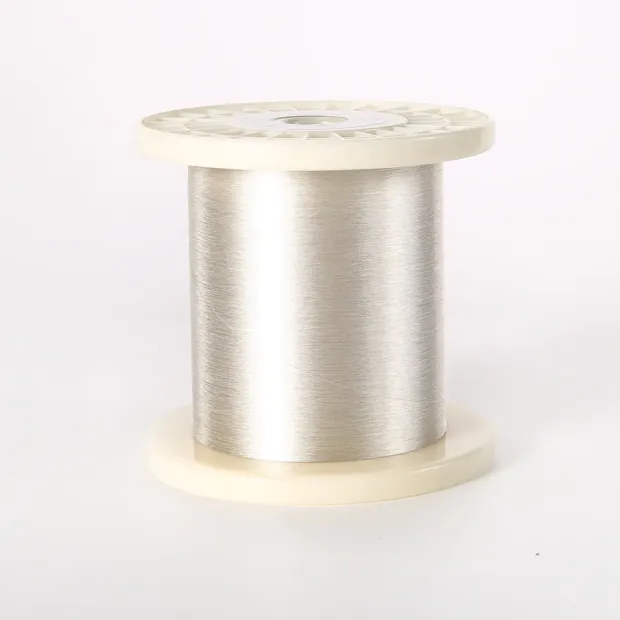
Copper Stranded Wire
Silver surface for stable contact and termination resistance over a long service life.
View specifications
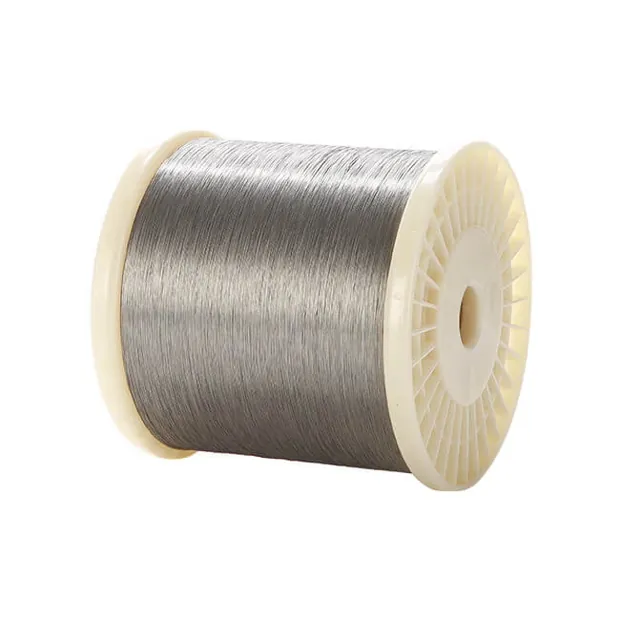
Tinsel Wire
Tin layer protects the copper foil surface from oxidation through storage and handling.
View specifications
Precision Copper Foil
Shielding and mechanical protection without stiffening the cable.
View specifications
You send the conductor resistance, outer diameter, tensile strength, swing life and soldering method. All five are treated as one problem.
Foil and base metal chosen from bare copper, oxygen-free copper and the tin-copper, iron-copper, silver-copper, nickel-chromium, nickel-iron and copper-nickel alloys.
Fiber core picked for working temperature and abrasion; tin, silver or nickel plating specified at 0.3 um to 2 um.
We build and test a sample. No minimum order quantity applies to conventional or customized sampling.
Resistance, tensile strength and elongation are measured on our own equipment, with salt spray where corrosion matters.
Two shifts keep delivery on schedule, and a comprehensive loading report goes out with every shipment.

quality guide
The four instruments behind our inspection, what each one measures, and what leaves with the shipment.
Read the guide
process guide
What plating does for a fine conductor, how thickness is chosen between 0.3 and 2 microns, and what a good coating looks like.
Read the guide
The outer diameter of a single tinsel wire runs from 0.04 mm to 0.40 mm, in single or multi-layer foil structure, and can be stranded from there.
DC resistance, tensile strength and elongation are measured on our own equipment, and salt spray testing is available where corrosion resistance matters. A comprehensive loading report is provided with every shipment.
Send the performance targets your conductor has to meet. We will propose a construction and sample it with no minimum order quantity.