

Heater Wire
Heater Wire
High resistance in a conductor that is still flexible enough to sew, wind or route.
View specifications
The four instruments behind our inspection, what each one measures, and what leaves with the shipment.
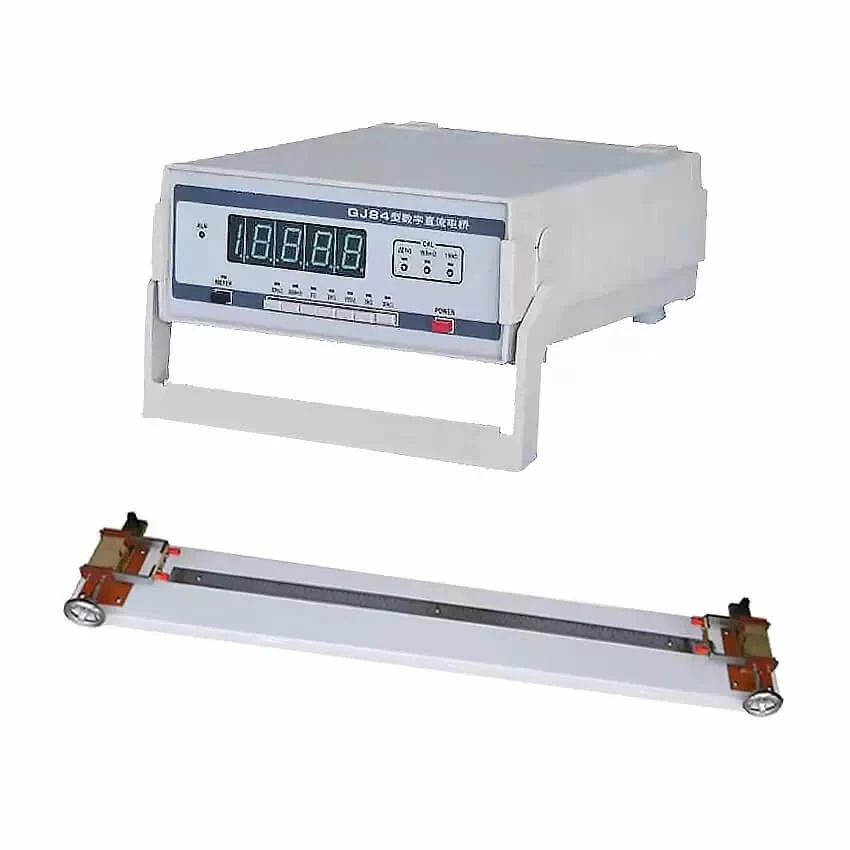
The DC resistance tester is used for precisely measuring the resistance parameters of a wire conductor. It is the key tool for ensuring power safety, product quality and equipment reliability, and it is how we confirm a conductor has landed on the resistance target agreed at the start.
The tensile testing instrument measures the physical properties of materials through the tensile process, including tensile strength, yield strength, elongation and elongation after fracture. For a conductor designed to flex, this is where the difference between a foil-over-fiber construction and a solid wire shows up as a number.
The elongation tester measures the elongation rate of the wire during the stretching process, which is how the mechanical properties and mechanical strength of the material are evaluated.
The salt spray test machine is simulated salt spray environment artificial accelerated corrosion test equipment, used mainly to test the corrosion resistance of metals, coatings, electronic components and other materials. It applies where the finished cable faces a corrosive environment.
Comprehensive loading report support is provided for every shipment. Sample testing is available for both conventional and customized products without a minimum order quantity, so the measurement happens before anyone commits to a production run.
Heater Wire
High resistance in a conductor that is still flexible enough to sew, wind or route.
View specifications
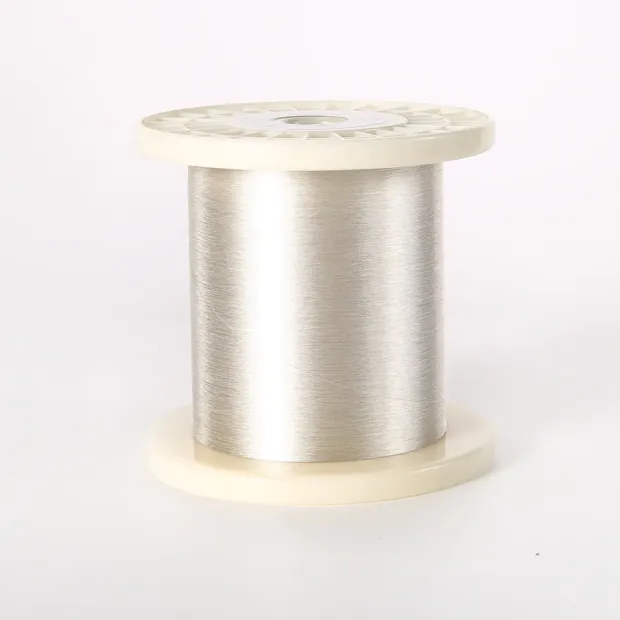
Copper Stranded Wire
Silver surface for stable contact and termination resistance over a long service life.
View specifications
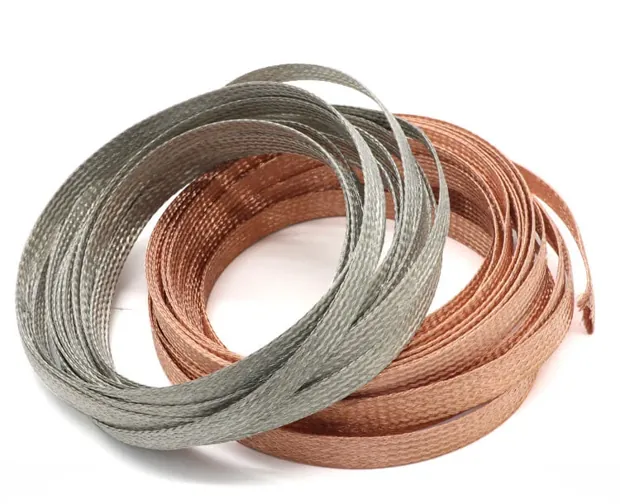
Copper Stranded Wire
Flexibility at full cross-section, instead of trading one for the other.
View specifications
Yes. Sample testing is available on conventional and customized products with no minimum order quantity, and the measurements come from the same equipment used on production lots.
It applies where the finished cable will face a corrosive environment. Resistance, tensile and elongation testing are the standard checks.
Technical staff are available 24/7 for immediate support and engineering advice on your product.