
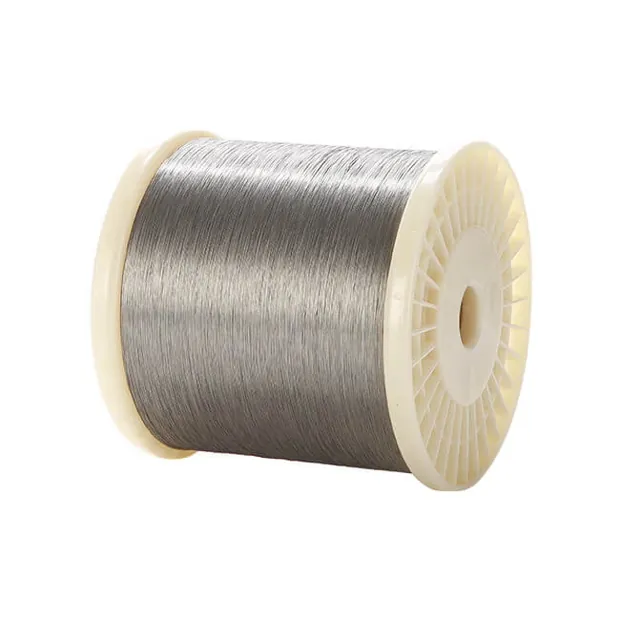
Tinsel Wire
Tin-Plated Tinsel Wire
Tin layer protects the copper foil surface from oxidation through storage and handling.
View specifications
Highest conductivity per unit of foil in the range, with no plating layer in the current path.
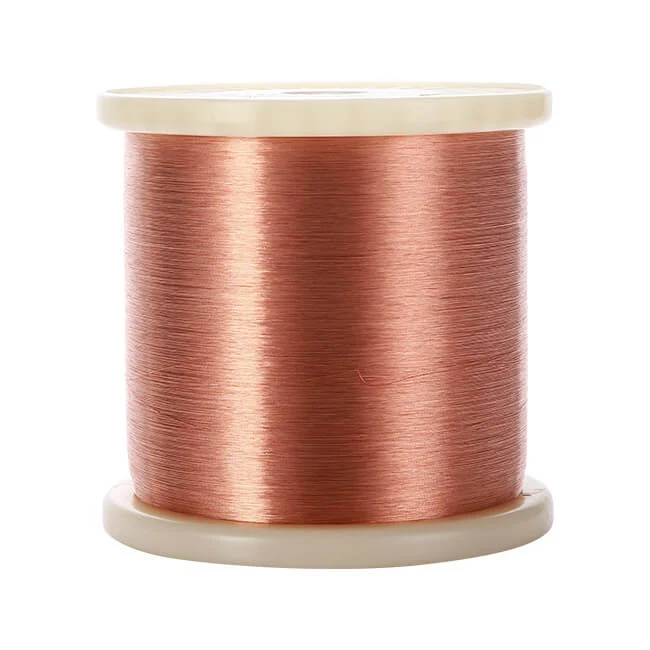
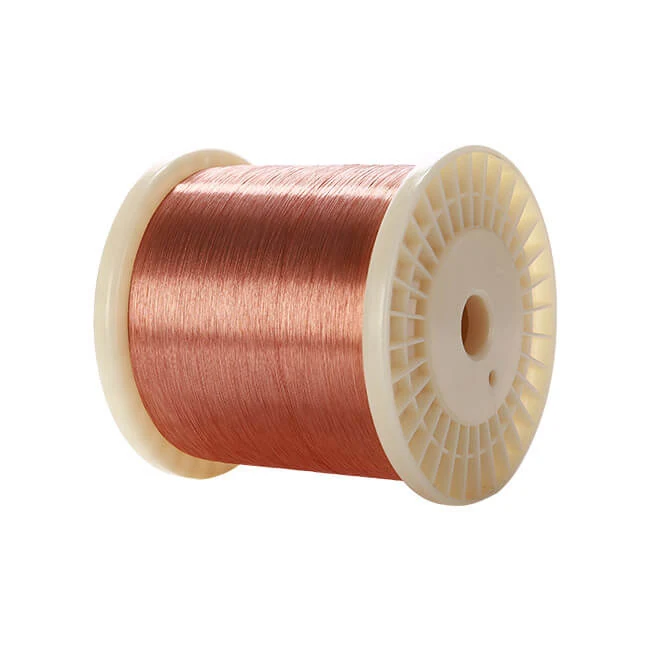
Bare copper tinsel wire is the baseline construction in the range: ultra-thin bare copper foil wound over a soft textile fiber core. It is what you specify when conductivity and cost matter more than long-term surface protection, and when the conductor will be terminated soon after it is made rather than sitting in stock. Because the conductive layer is on the outside of a fiber core rather than packed into a solid centre, it keeps the bending strength and tensile strength advantage over a traditional solid wire of comparable size, with a low specific gravity that keeps mass off moving assemblies.
Values that depend on your application are set against your targets rather than fixed here.
| Construction | Metal foil wound over soft textile fiber core |
|---|---|
| Surface Material | bare copper foil |
| Single Wire Outer Diameter | 0.04 mm - 0.40 mm |
| Foil Structure | Single-layer or multi-layer |
| Fiber Core Options | nylon, polyester, aramid, liquid crystal fiber, heat-resistant cotton yarn and glass fiber |
| Stranding | Single, twisted into tinsel strands, or mixed with copper wires |
| Plating | None (bare copper foil) |
| Conductor Resistance | Customized to your target |
| Minimum Order For Samples | None |
No third-party certification is published for this product line. Test data from our own resistance, tensile, elongation and salt spray equipment is supplied with samples and with every shipment loading report.
Tinsel Wire
Tin layer protects the copper foil surface from oxidation through storage and handling.
View specifications
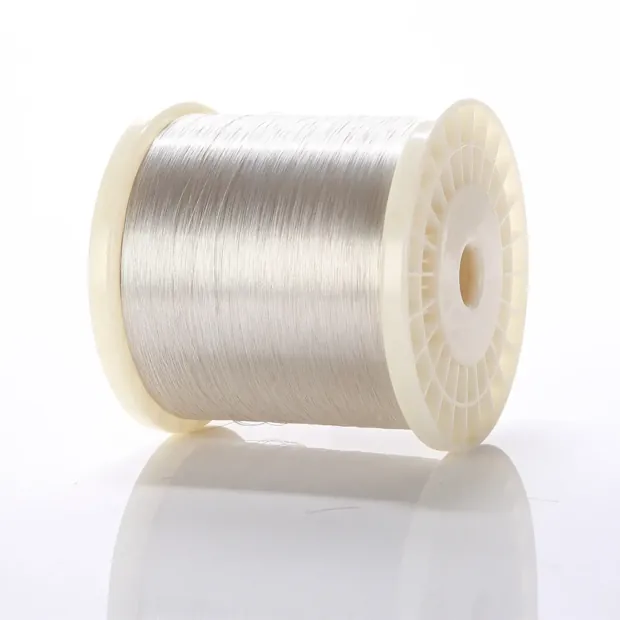
Tinsel Wire
Silver surface for demanding termination and contact requirements.
View specifications
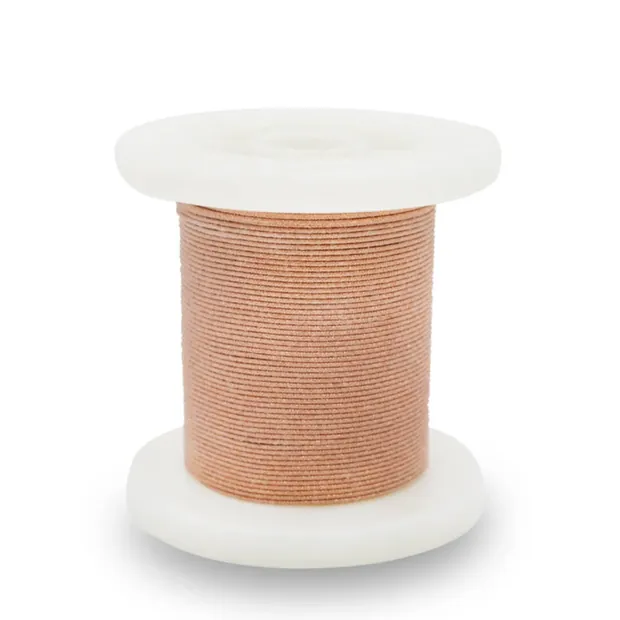
Tinsel Wire
Alloy foil raises the mechanical ceiling over pure copper at the same construction.
View specifications
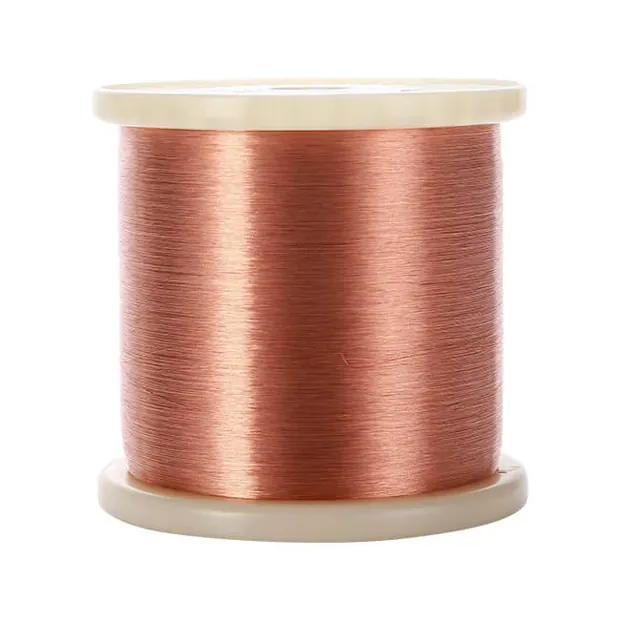
technical guide
The construction, the materials and the reason a foil-over-fiber conductor beats a solid wire of the same size on flex life.
Read the guide
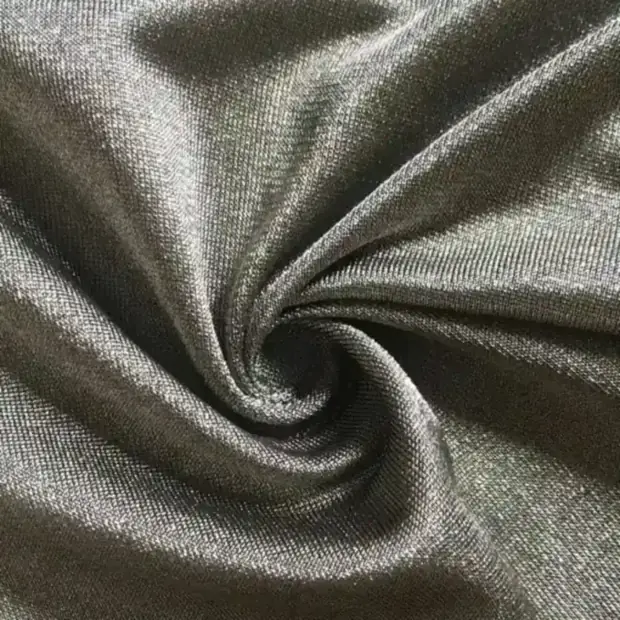
material guide
What each fiber core actually gives a tinsel wire, and which service conditions should point you at which one.
Read the guide
When conductivity is the priority, the termination happens without a long storage interval, and the finished cable is not exposed to a corrosive environment. If any of those change, tin-plated or silver-plated is the safer specification.
Tinsel wire in general is easier to weld than comparable solid wire, because the solderable surface is the foil on the outside of the conductor. Bare copper does not carry the plating protection that keeps that surface clean over time, so soldering is most consistent when the conductor is used rather than stored.
Yes. It can be twisted into tinsel wire strands or mixed with copper wires, mainly to increase the bending strength of the finished conductor.
Tell us the resistance, outer diameter and flex life you need. Samples on conventional and customized products carry no minimum order quantity.