
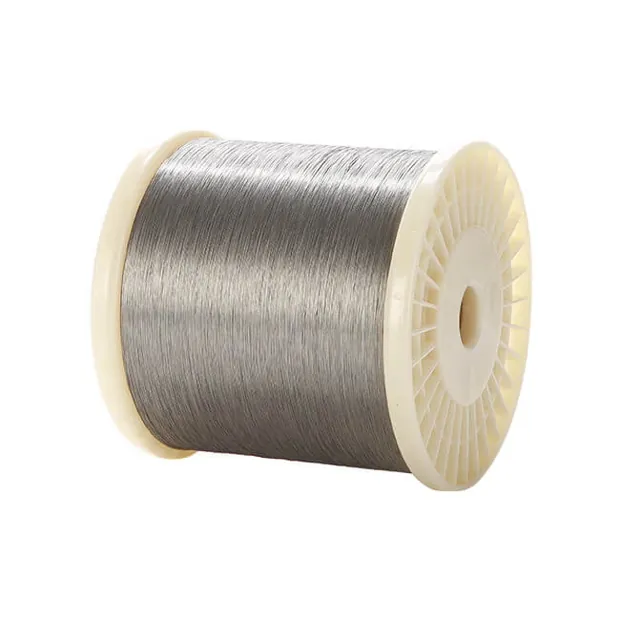
Tinsel Wire
Tin-Plated Tinsel Wire
Tin layer protects the copper foil surface from oxidation through storage and handling.
View specifications
What plating does for a fine conductor, how thickness is chosen between 0.3 and 2 microns, and what a good coating looks like.
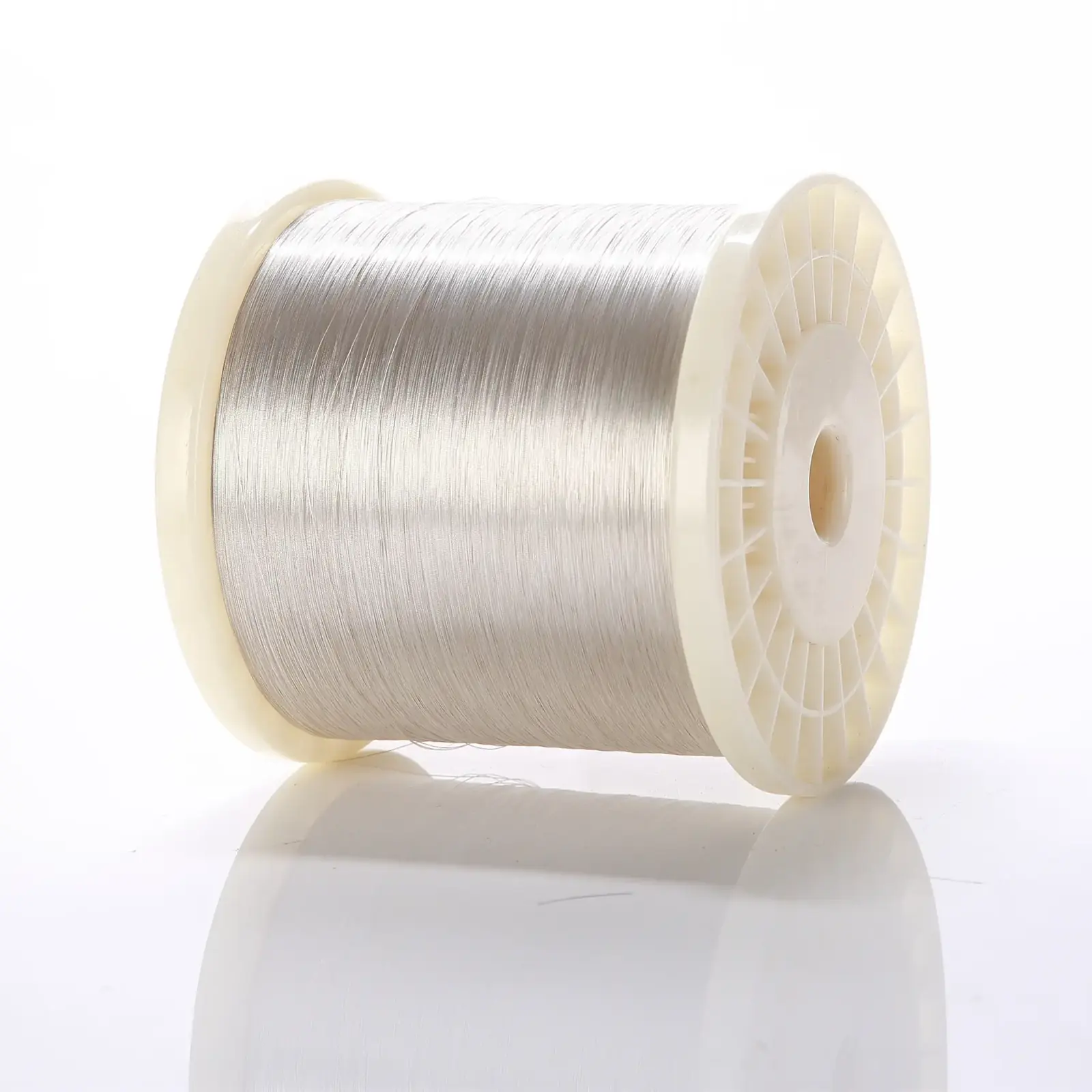
On a fine conductor the surface is where soldering, corrosion and contact resistance all happen. The base metal sets the conductivity ceiling; the plating decides whether the conductor still terminates reliably after storage, handling and time in service.
We plate in tin, silver and nickel. Tin is the everyday choice for oxidation protection and consistent soldering. Silver goes on conductors that run warm, need a long service life or have contact resistance specified tightly. Nickel is used where the surface faces harder conditions.
The coating thickness can be customized according to performance requirements, within a range of roughly 0.3 um to 2 um. Choosing it means weighing how long the conductor sits before termination and what environment the finished cable works in, rather than accepting whatever a stock reel carries.
The coating is uniform, has good continuity and strong adhesion, and the surface is smooth without discoloration. It must be free of harmful defects such as particles and mechanical damage. On a wound conductor this matters more than on a solid one, because a defect in the foil surface is carried along the entire length of the finished wire.
Where the finished cable will face a corrosive environment, salt spray testing applies. The salt spray machine is simulated salt spray environment equipment for artificially accelerated corrosion testing, used to check the corrosion resistance of metals, coatings and electronic components.
Tinsel Wire
Tin layer protects the copper foil surface from oxidation through storage and handling.
View specifications
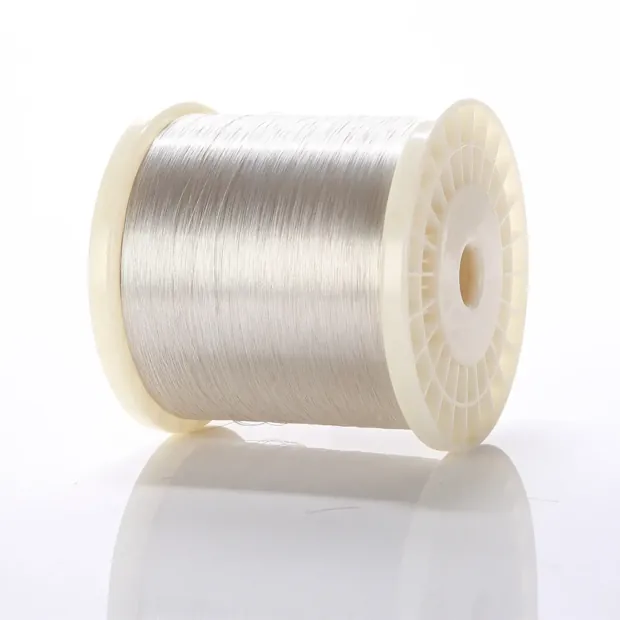
Tinsel Wire
Silver surface for demanding termination and contact requirements.
View specifications

Precision Copper Foil
Extremely fine gauges produced for winding at 0.04 mm to 0.40 mm conductor diameters.
View specifications
Tell us the storage interval before termination and the environment the finished cable works in. The thickness is then set within the 0.3 um to 2 um range against those conditions.
Yes. Tin, silver and nickel plating are available over tin-copper, iron-copper and silver-copper alloy foils as well as over pure copper.
Technical staff are available 24/7 for immediate support and engineering advice on your product.