
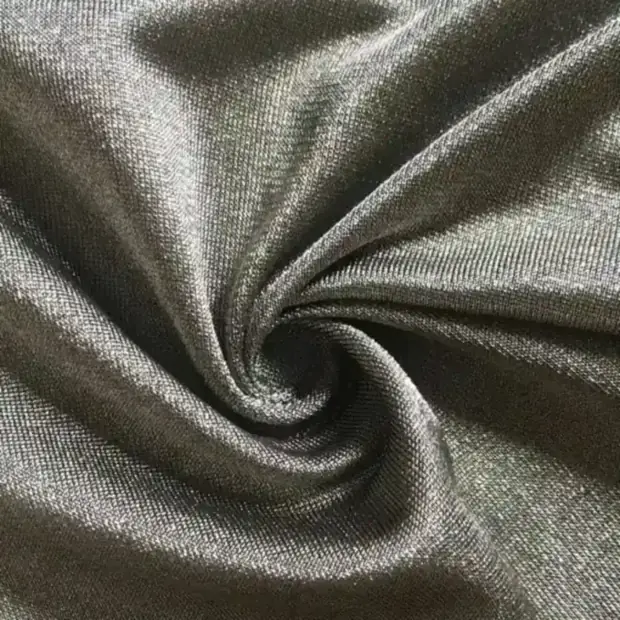
Tinsel Wire
Conductive Textile Wire
A soft textile fiber core at the centre, so the conductor handles like yarn.
View specifications
What each fiber core actually gives a tinsel wire, and which service conditions should point you at which one.
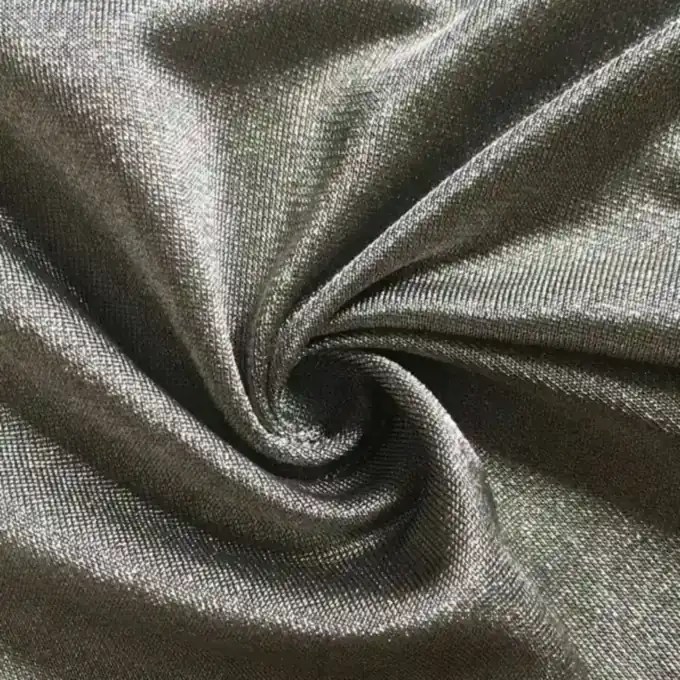
In a tinsel wire the metal foil conducts and the fiber core carries the mechanical load, sets the temperature ceiling and decides how the conductor handles. Choosing the core is half the conductor design, not a detail left to production.
Para-aramid, also known as para-aromatic polyamide fiber, bulletproof fiber or simply aramid fiber, is one of the strongest fibers in the world at present, with a strength about five times that of steel wire. It is light, soft, wear-resistant and has good tensile strength. Representative products include DuPont Kevlar, Teijin Twaron and Teijin Technora.
Meta-aramid, also known as meta-aromatic polyamide fiber, aramid 1313 or flame-retardant fiber, is a permanently flame-retardant fiber whose fire resistance and flame-retardant properties will not lose effectiveness through washing or sun exposure. Its tensile strength and elastic modulus are lower than para-aramid, but it is softer and has a higher elongation. Representative products include DuPont Nomex and Teijinconex.
Liquid crystal polymer, also called liquid crystal fiber, has good mechanical properties including wear resistance, bending resistance and fatigue resistance, along with excellent chemical resistance and low moisture absorption. Representative products include Kuraray Vectran and Zxion.
Aramid carries a high melting point of more than 500 degrees Celsius with good abrasion resistance and high strength, which is what makes it the usual answer for hot service. Other fibers available include nylon, polyethylene, polyester, glass fiber, high-temperature flame-retardant cotton yarn and carbon fiber.
Tinsel Wire
A soft textile fiber core at the centre, so the conductor handles like yarn.
View specifications
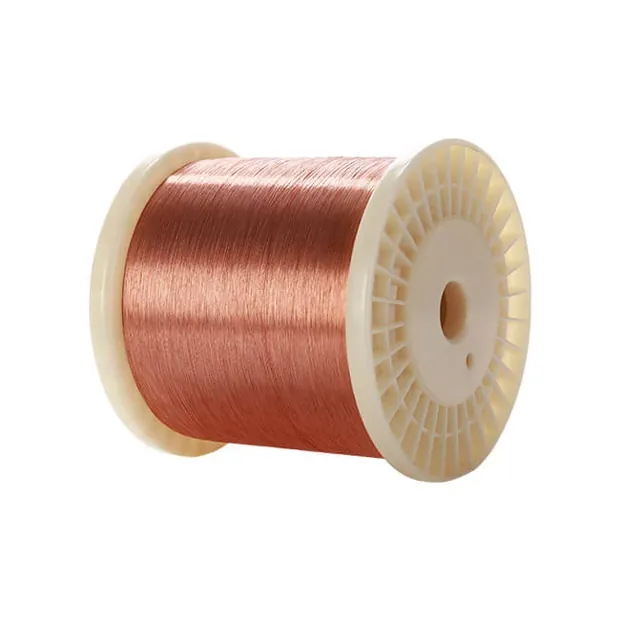
Speaker Lead Wire
Built for swing performance, which is the actual failure mode in a driver lead.
View specifications
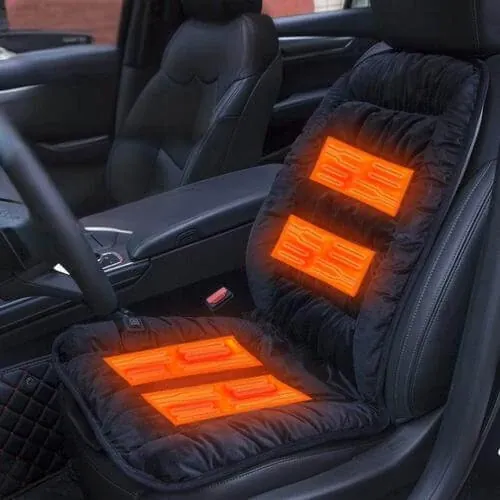
Heater Wire
High resistance in a conductor that is still flexible enough to sew, wind or route.
View specifications
One of the high temperature options: aramid for its melting point above 500 degrees Celsius and abrasion resistance, or glass fiber and high-temperature flame-retardant cotton yarn.
Liquid crystal polymer, for its bending resistance and fatigue resistance combined with low moisture absorption.
Technical staff are available 24/7 for immediate support and engineering advice on your product.