
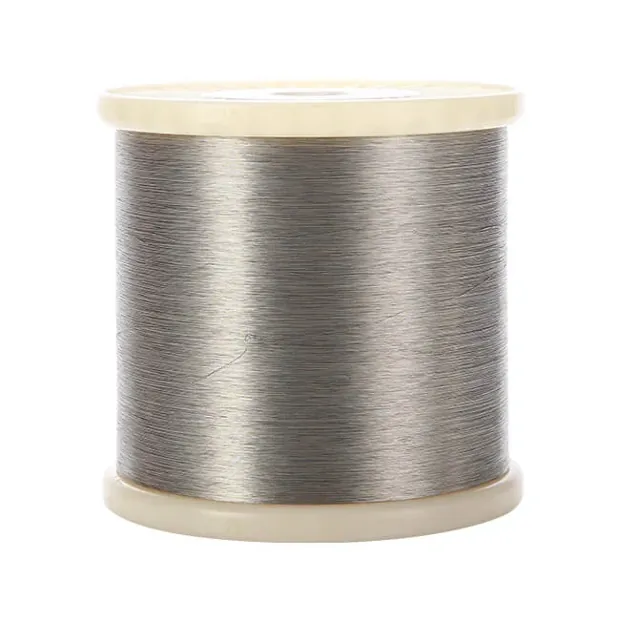
Tinsel Wire
Tin-Plated Alloy Tinsel Wire
Alloy foil strength combined with a tin-plated, oxidation-protected surface.
View specifications
Conductors for automotive circuit electronic cables and charging pile cables, built for vibration, temperature and volume assembly.
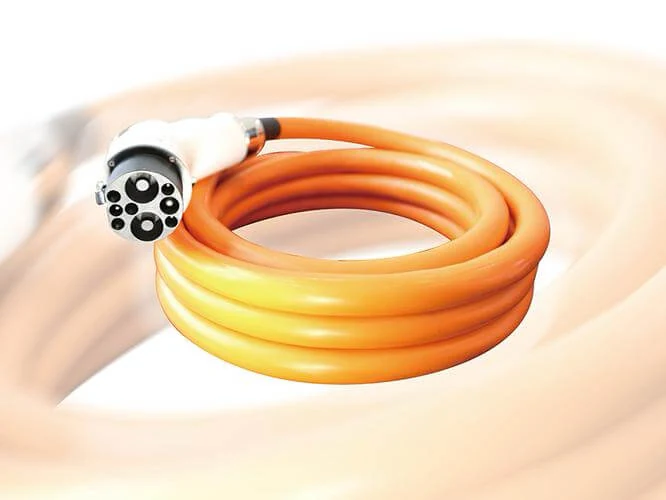
Automotive circuit electronic cables and charging pile cables are both listed among the main applications for our conductors, and automobiles are one of the fields where we help customers design conductors that set them apart. The constraints are unforgiving in a specific way: the cable has to survive vibration and temperature for the life of the vehicle, it has to be terminated at line speed by people who cannot stop to rework, and the cost has to stand up at automotive volumes. That pushes the design toward alloy foils for strength and tin plating for a surface that solders the same way on every unit.
Tinsel Wire
Alloy foil strength combined with a tin-plated, oxidation-protected surface.
View specifications
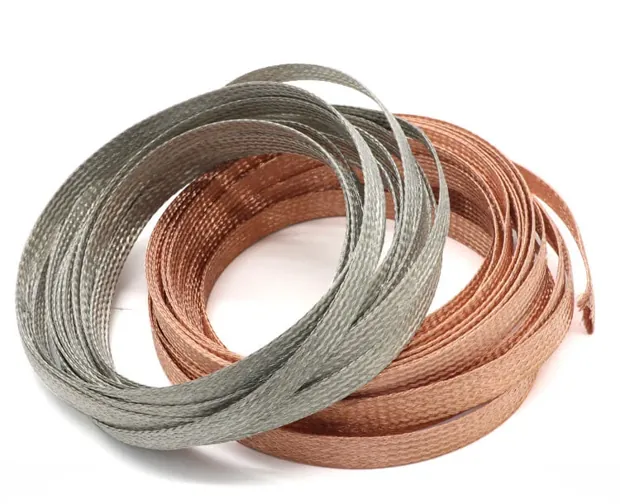
Copper Stranded Wire
Flexibility at full cross-section, instead of trading one for the other.
View specifications
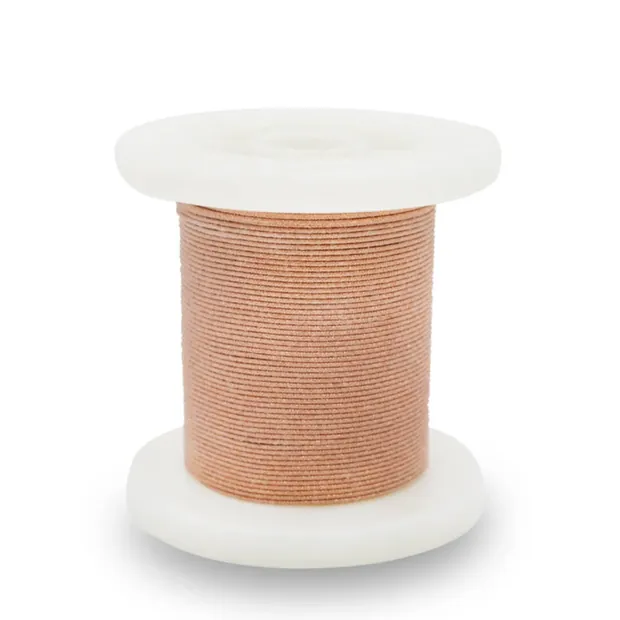
Tinsel Wire
Alloy foil raises the mechanical ceiling over pure copper at the same construction.
View specifications
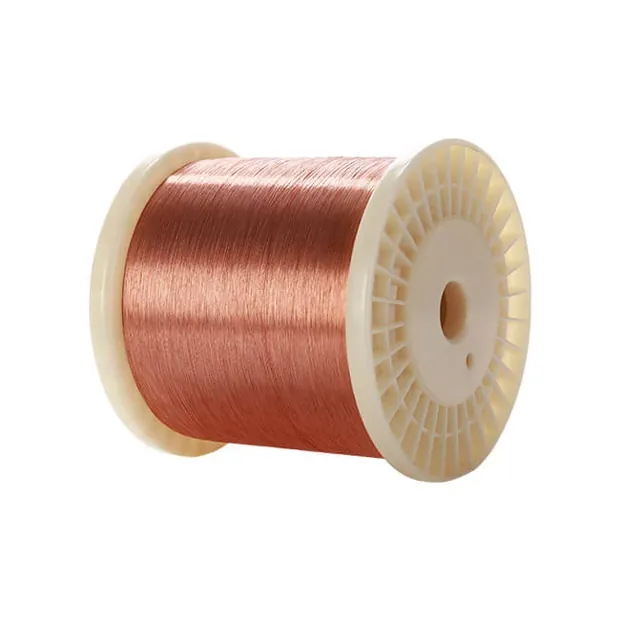
Speaker Lead Wire
Built for swing performance, which is the actual failure mode in a driver lead.
View specifications
You send the conductor resistance, outer diameter, tensile strength, swing life and soldering method. All five are treated as one problem.
Foil and base metal chosen from bare copper, oxygen-free copper and the tin-copper, iron-copper, silver-copper, nickel-chromium, nickel-iron and copper-nickel alloys.
Fiber core picked for working temperature and abrasion; tin, silver or nickel plating specified at 0.3 um to 2 um.
We build and test a sample. No minimum order quantity applies to conventional or customized sampling.
Resistance, tensile strength and elongation are measured on our own equipment, with salt spray where corrosion matters.
Two shifts keep delivery on schedule, and a comprehensive loading report goes out with every shipment.
material guide
The full metal range from bare copper to constantan and graphene copper, and what each is for.
Read the guide
process guide
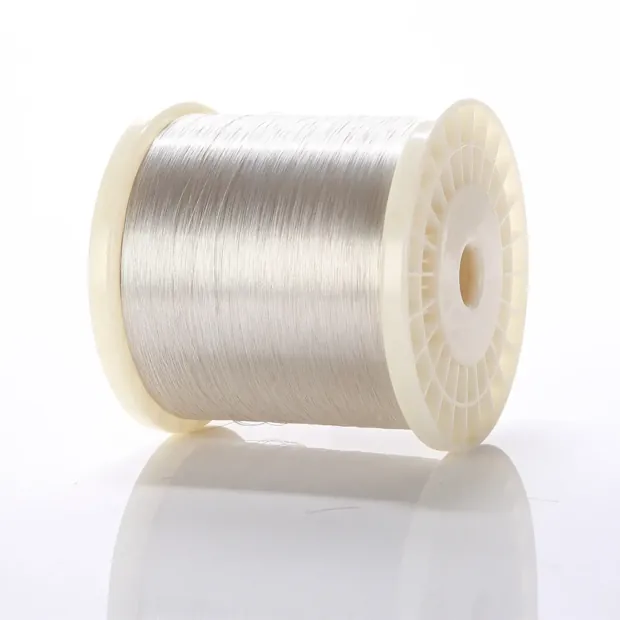
What plating does for a fine conductor, how thickness is chosen between 0.3 and 2 microns, and what a good coating looks like.
Read the guide
Yes. Charging pile cables are one of the listed application areas for our conductors, typically as copper stranded wire, with plating specified against the termination and environment.
Conductor resistance is set as a target at the start and verified on a DC resistance tester, which measures the resistance parameters of the conductor precisely.
Send the performance targets your conductor has to meet. We will propose a construction and sample it with no minimum order quantity.