
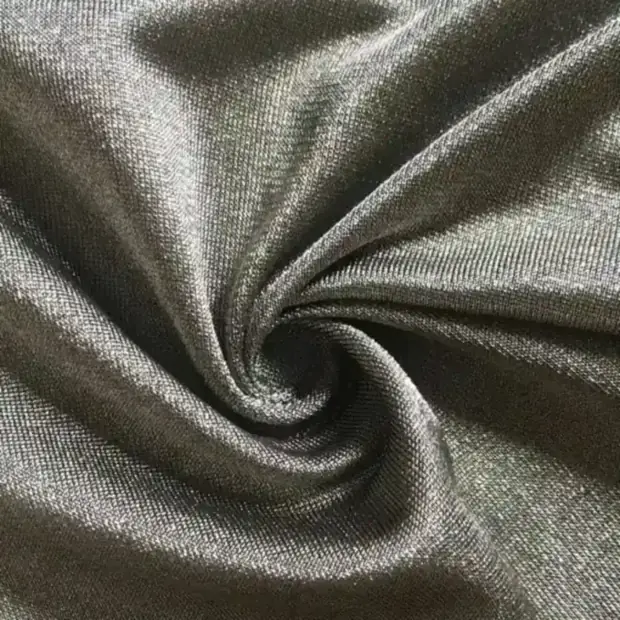
Tinsel Wire
Conductive Textile Wire
A soft textile fiber core at the centre, so the conductor handles like yarn.
View specifications
The core inside a tinsel wire decides its temperature ceiling, its abrasion life and how it handles. Choosing it is half the design.
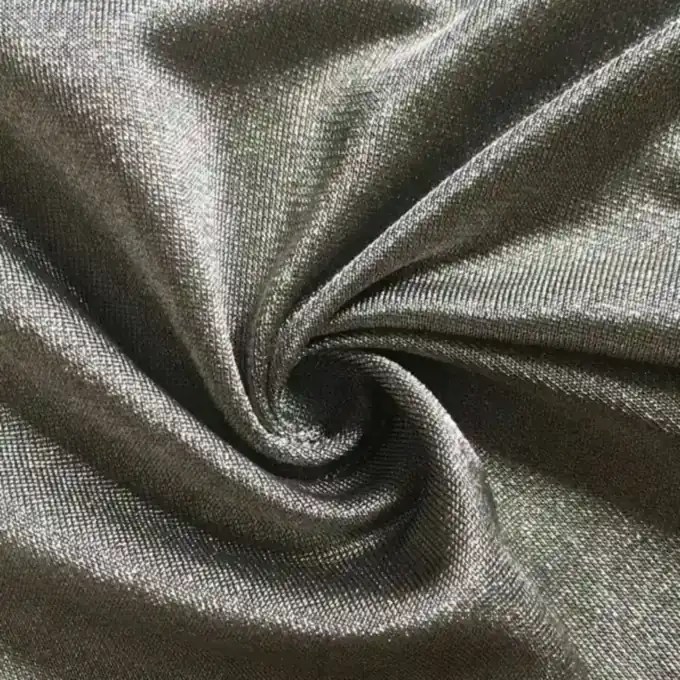
In a tinsel wire the metal does the conducting and the fiber core does almost everything else: it carries the mechanical load, sets the temperature ceiling, decides how the conductor drapes and determines how it behaves against abrasion and chemicals. Picking it is not a formality. The range runs from ordinary nylon and polyester through the aramids to liquid crystal polymer, and each one changes what the finished conductor can be asked to do.
The problem: The conductor needs very high strength at low weight in a demanding mechanical application.
How we handle it: Para-aramid, also called para-aromatic polyamide fiber, is one of the strongest fibers available, with a strength about five times that of steel wire, light, soft, wear-resistant and with good tensile strength. Representative products include DuPont Kevlar, Teijin Twaron and Teijin Technora.
The problem: The application needs flame retardancy that does not wash or weather out, with more give than para-aramid.
How we handle it: Meta-aramid, also called aramid 1313, is a permanently flame-retardant fiber whose fire resistance will not lose effectiveness through washing or sun exposure. Tensile strength and elastic modulus are lower than para-aramid, but it is softer with higher elongation. Representative products include DuPont Nomex and Teijinconex.
The problem: The conductor faces repeated bending and fatigue plus chemical exposure and moisture.
How we handle it: Liquid crystal polymer offers good mechanical properties including wear resistance, bending resistance and fatigue resistance, along with excellent chemical resistance and low moisture absorption. Representative products include Kuraray Vectran and Zxion.
The problem: The element or cable runs hot enough to threaten an ordinary fiber core.
How we handle it: Aramid carries a high melting point of more than 500 degrees Celsius with good abrasion resistance and high strength. Glass fiber and high-temperature flame-retardant cotton yarn are also available.
The problem: Not every conductor needs a high performance core, and paying for one is waste.
How we handle it: Nylon, polyethylene, polyester and carbon fiber cover the applications where cost matters more than extreme properties.
Tinsel Wire
A soft textile fiber core at the centre, so the conductor handles like yarn.
View specifications
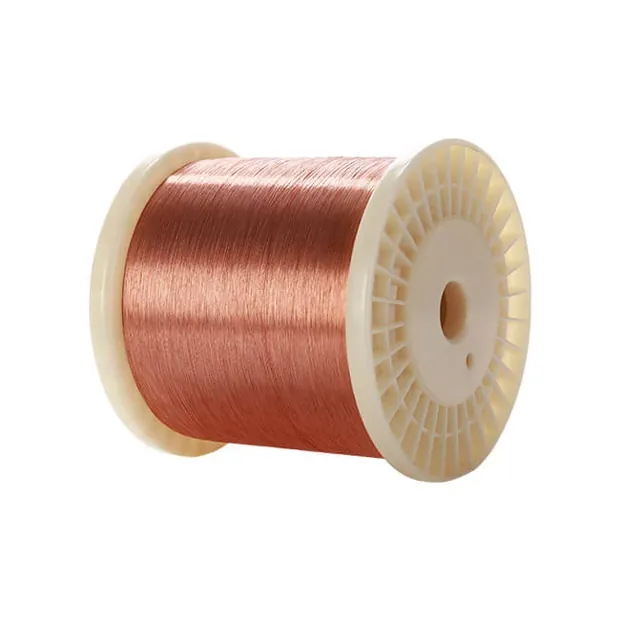
Speaker Lead Wire
Built for swing performance, which is the actual failure mode in a driver lead.
View specifications
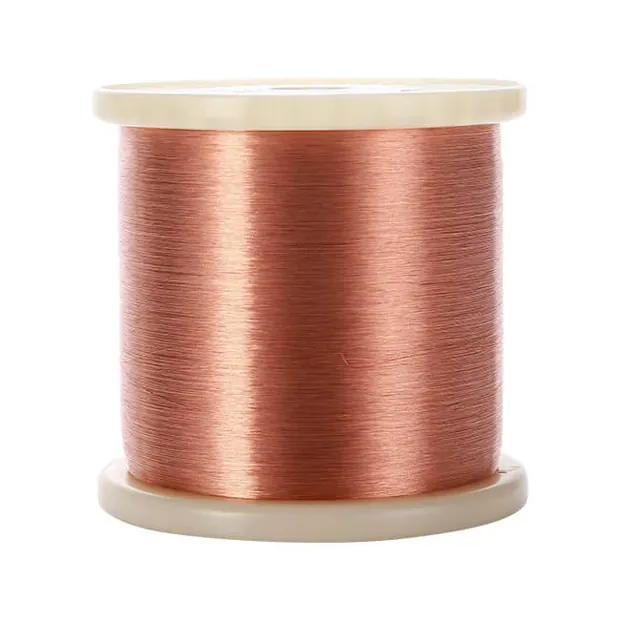
Tinsel Wire
Highest conductivity per unit of foil in the range, with no plating layer in the current path.
View specifications
Para-aramid is one of the strongest fibers available, around five times the strength of steel wire, light, soft and wear-resistant. Meta-aramid is a permanently flame-retardant fiber, softer with higher elongation but lower tensile strength and elastic modulus.
Aramid has a high melting point of more than 500 degrees Celsius alongside good abrasion resistance and high strength. Glass fiber and high-temperature flame-retardant cotton yarn are the other high temperature options.
Liquid crystal polymer, which offers wear resistance, bending resistance and fatigue resistance along with excellent chemical resistance and low moisture absorption.
Sampling is available on conventional and customized products without a minimum order quantity, and the test data comes back with the sample.