
What Kinds of Lifting Riggings Are Included?
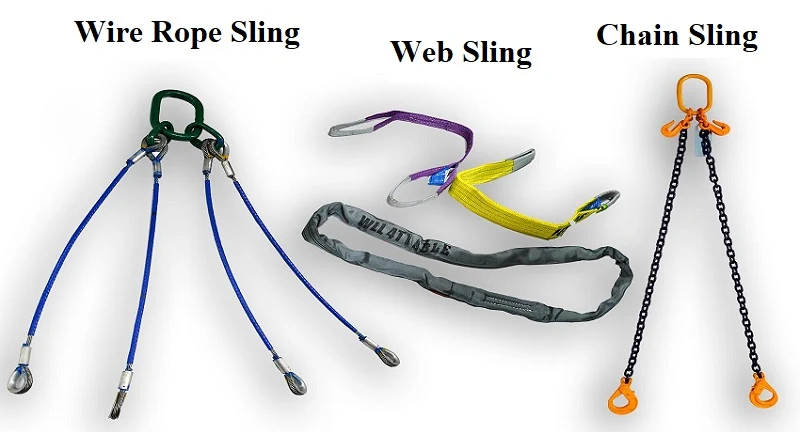
Lifting rigging is not a single product but a system built from three core categories-wire rope, chain, and webbing sling-each suited to different load types, environments, and duty cycles. This guide explains what each category includes, how to identify its components, and how to select the right one for your lifting task.
What Wire Rope Rigging Includes
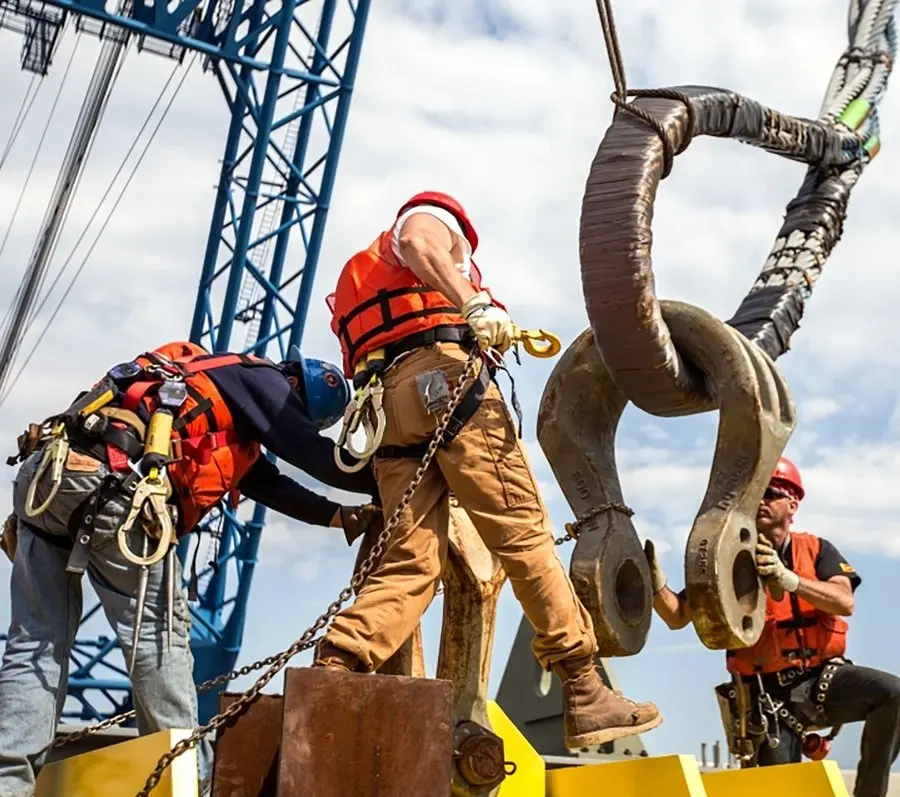
Wire rope rigging consists of steel wire rope as the primary load-bearing element, paired with end fittings such as hooks, rings, and connect links. The core of the rigging is the wire rope itself, which is made from multiple strands of steel wire twisted around a central core. The diameter and length of the wire rope determine its strength and suitability for a given load. Larger diameters support higher working load limits. These riggings are used in heavy lifting, crane operations, and hoisting where wear resistance and high tensile strength are critical. Always verify the rope's diameter, length, and proof load test status before use.
What Chain Rigging Includes
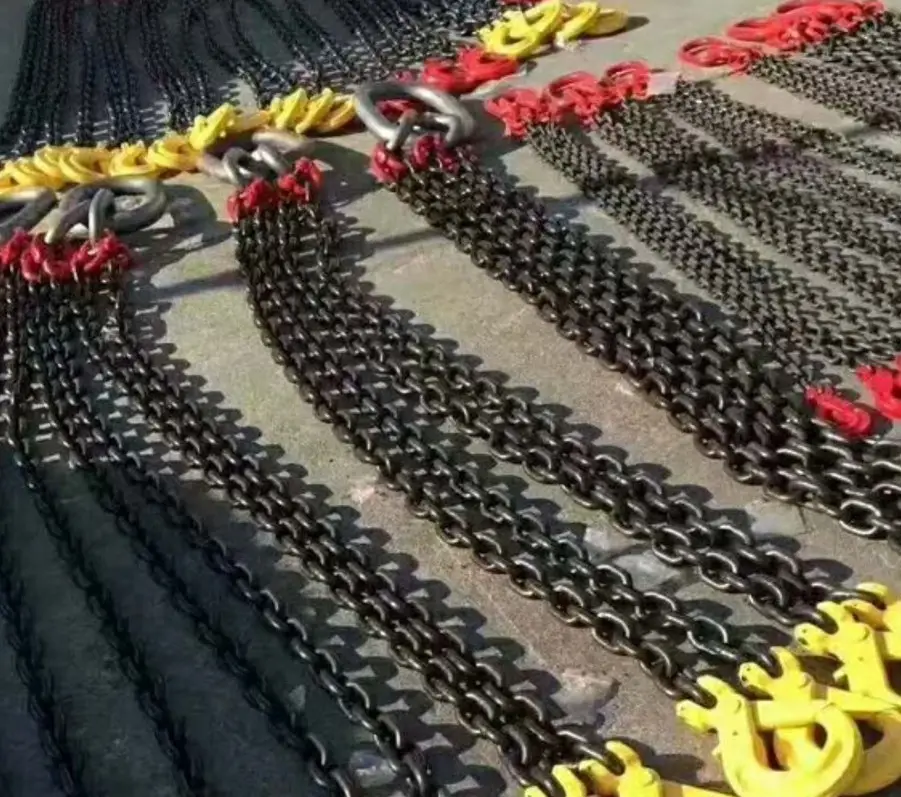
Chain rigging is built around lifting chains, typically made from forged alloy steel, with auxiliary components like hooks, rings, and connect links. The chain itself is the main load-bearing part, and its strength depends on the chain grade, diameter, inner diameter of the links, and overall length. Chain rigging is known for high load capacity, durability, and resistance to abrasion and heat. It is commonly used in heavy lifting, industrial lifting, and marine applications. The grade of the chain-such as Grade 43, 70, 80, or 100-must match the grade of the end fittings. Always check the grade stamp on the chain and fittings.
1T Endless Webbing Sling/Endless Polyester lifting slings
What Lifting Webbing Sling Includes
Lifting webbing slings are made from 100% polyester synthetic fiber, forming a soft, flexible, and high-tensile structure. They include components such as end fittings like hooks, rings, and thimbles, and are available in various widths, lengths, and tonnage ratings. The webbing is designed to protect delicate or smooth-surfaced loads from damage. It is ideal for lifting objects with no sharp edges, such as machinery, steel plates, or fabricated components. The sling's strength is determined by the width, length, and material grade. Always confirm the working load limit and ensure the webbing is free from cuts, abrasions, or chemical exposure.
1T Endless Webbing Sling/Endless Polyester lifting slings
How to Identify Components by Function
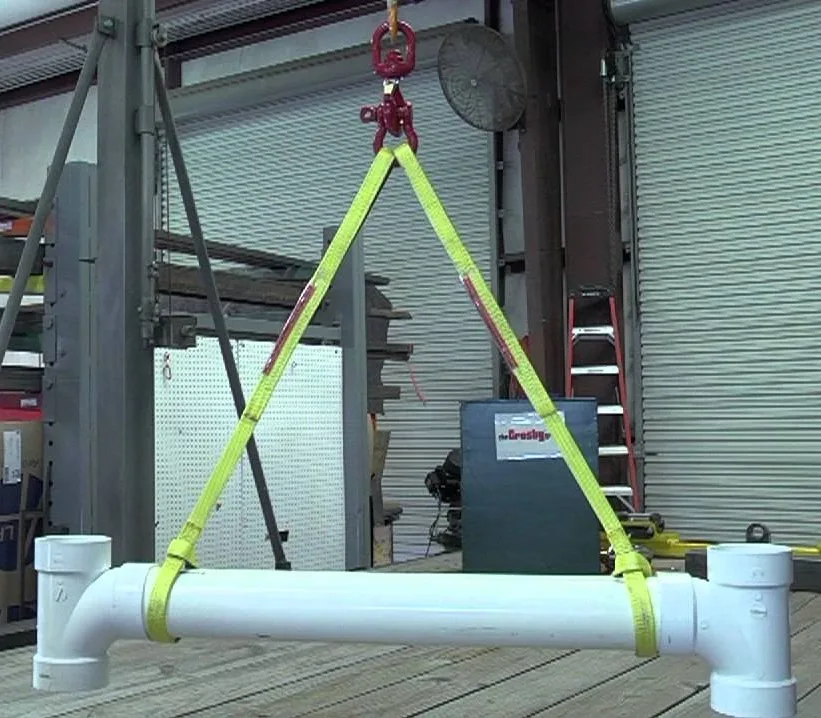
Each rigging category uses specific components that serve defined roles. In wire rope rigging, the wire rope carries the load, while hooks and rings connect to the lifting point. In chain rigging, the chain links are the load path, and the end fittings must match the chain grade. In webbing slings, the webbing is the load-bearing element, and the end fittings are designed to prevent edge damage. Always inspect the marking on the part-look for the grade, WLL, and traceability stamp. If the marking is missing or unclear, do not use the component. The function of each part must align with the overall rigging system's duty.
2T Endless Webbing Sling/Endless Polyester lifting slings
Matching Rigging to the Load and Application
Choose the rigging category based on the load type, surface condition, lifting environment, and required safety factor. Use wire rope rigging for high-temperature or high-wear environments, such as steel mills or offshore platforms. Use chain rigging for heavy, high-capacity lifting where durability and resistance to impact are key. Use webbing slings for smooth, sensitive, or irregularly shaped loads where surface protection is essential. Never mix components from different categories unless the system is specifically designed for it. Always ensure the entire assembly-chain, hook, and binder-shares the same grade and rating.
2T Endless Webbing Sling/Endless Polyester lifting slings
How to Read the Markings on Rigging Parts
Every rigging component should have a permanent marking that includes the working load limit, grade, and traceability information. For chain rigging, the grade (e.g., Grade 43, 70, 80, 100) is stamped on the chain links. For wire rope, the diameter and length are marked, and the proof load test is validated. For webbing slings, the WLL and material type are stamped on the end fittings. If the marking is missing or illegible, the component should not be used. The marking is the only way to confirm the part's rating and compliance with the standard it was manufactured to.
2T Endless Webbing Sling/Endless Polyester lifting slings
Why Grade Matching Matters in Assemblies
A lifting assembly is only as strong as its weakest component. Using a Grade 70 chain with a Grade 43 hook reduces the entire system to Grade 43. This mismatch can lead to failure under load. Always ensure that the chain, hooks, rings, and other fittings all belong to the same grade system. When sourcing, ask the supplier to confirm the grade of each component and provide a Material Test Certificate for the batch. A single quotation covering all parts ensures the system is built with matching grades.
3T Endless Webbing Sling/Endless Polyester lifting slings
Ordering note. Wire rope rigging includes wire rope with hooks, rings, and connect links; suitable for high-wear and high-temperature lifting Chain rigging includes lifting chains with matching hooks and rings; high load capacity and durability for heavy lifting Lifting webbing slings are made from 100% polyester; ideal for smooth or sensitive loads where surface protection is needed Always check the grade stamp