
Shackle Sizes and Capacity
Shackle size and capacity are often confused because the same physical size can carry different working load limits depending on material, shape and safety factor. This guide clarifies how to read shackle specifications, what the markings mean, and how to select the right shackle for a given load without guessing.
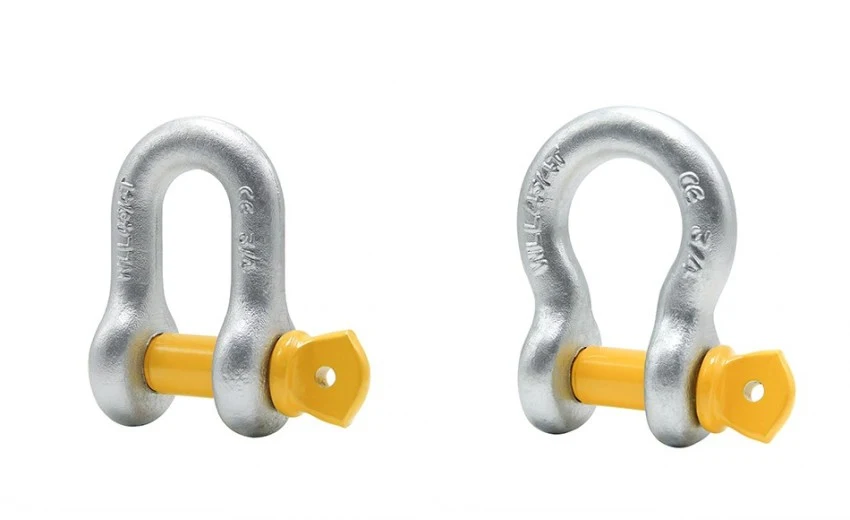
How Shackle Size is Defined
Shackle size is determined by the diameter of the body, not the pin or the overall length. In imperial systems, this is expressed as a fraction like 3/16" or 1/2", while in metric it is given as M6, M8, M12, etc. The body diameter directly correlates to the working load limit (WLL) for a given material and safety factor. A 3/16" shackle is not the same as a 5mm shackle, even if they appear similar in size. Always check the body diameter, not the pin or the overall dimensions, when matching a shackle to a load.
The Role of Shape in Shackle Selection
Shackles come in two main shapes: bow (anchor type) and D-shape (Dee or chain type). The shape affects the load distribution and the point of maximum stress. Bow shackles have a more even load path and are better for off-axis or side loading. D-shackles are more compact and better suited for straight-line tension. The same body diameter in both shapes has the same WLL, but the application determines which shape is appropriate. Never assume that one shape is stronger than the other; the rating is based on the same test conditions and safety factor.
Working Load Limit and Safety Factor
The Working Load Limit (WLL) is the maximum safe load the shackle is designed to carry under normal conditions. It is calculated by dividing the Minimum Breaking Strength (MBS) by a safety factor. Common safety factors are 4:1 and 6:1. A 4:1 safety factor means the shackle will fail at four times the WLL. A 6:1 factor provides a higher margin of safety but increases cost. The safety factor is specified by the manufacturer and must be consistent across the product line. Always confirm the safety factor used when selecting a shackle for a specific duty.
Material Grade and Its Impact on Capacity
The material grade of the shackle directly affects its strength and WLL. For example, a shackle made from Grade 80 alloy steel will have a higher WLL than one made from Grade 43 carbon steel of the same size. The grade is stamped on the shackle and must match the intended application. Using a lower-grade shackle in a high-duty application risks failure. Always verify the material grade and ensure it is compatible with the load and environment, especially in marine or corrosive conditions.
Australia Standard Ratchet Chain Load Binder With Winged Grab Hook
Reading the Markings on a Shackle
A properly marked shackle includes the material grade, body diameter, WLL, safety factor, and manufacturer's mark. The body diameter is usually stamped in inches or millimeters. The WLL is given in tons or kilograms. The safety factor may be indicated as 4:1 or 6:1. The material grade, such as Grade 80 or Grade 43, is also stamped. If the marking is unclear or missing, do not use the shackle. Always inspect the marking before use and cross-check it with the manufacturer's data sheet.
Australia Standard Ratchet Chain Load Binder With Winged Grab Hook
Matching Shackle to the Load and Application
Do not select a shackle based on size alone. The load type, direction, environment, and duty cycle all affect the required WLL. For example, a shackle used in overhead lifting must meet the 4:1 design factor standard, while a transport tie-down may use a 6:1 factor. Confirm the application and choose the shackle with the correct WLL, safety factor, and material grade. If the load is dynamic or subject to shock, increase the safety margin. When in doubt, consult the manufacturer's load chart for the specific shackle model.
Australia Standard Ratchet Chain Load Binder With Winged Grab Hook
Why Not to Mix Sizes and Grades
Using a shackle with a mismatched size, grade, or safety factor can create a weak link in the rigging system. A large shackle made from a low-grade material may fail under load even if the size looks adequate. Similarly, a small shackle with a high safety factor may not be suitable for a heavy-duty application. Always ensure that the shackle's WLL, safety factor, and material grade are consistent with the rest of the rigging system. Never assume that a larger size means higher capacity without checking the grade and safety factor.
Ordering note. Shackle size is defined by body diameter, not pin or overall length, and is expressed in imperial or metric units The same body diameter in bow and D-shape shackles has the same WLL, but shape affects load path and suitability WLL is calculated by dividing MBS by a safety factor, commonly 4:1 or 6:1, and must be confirmed for each shackle Material grade such as Grade 43, Grade 80 or Grade 100 dire